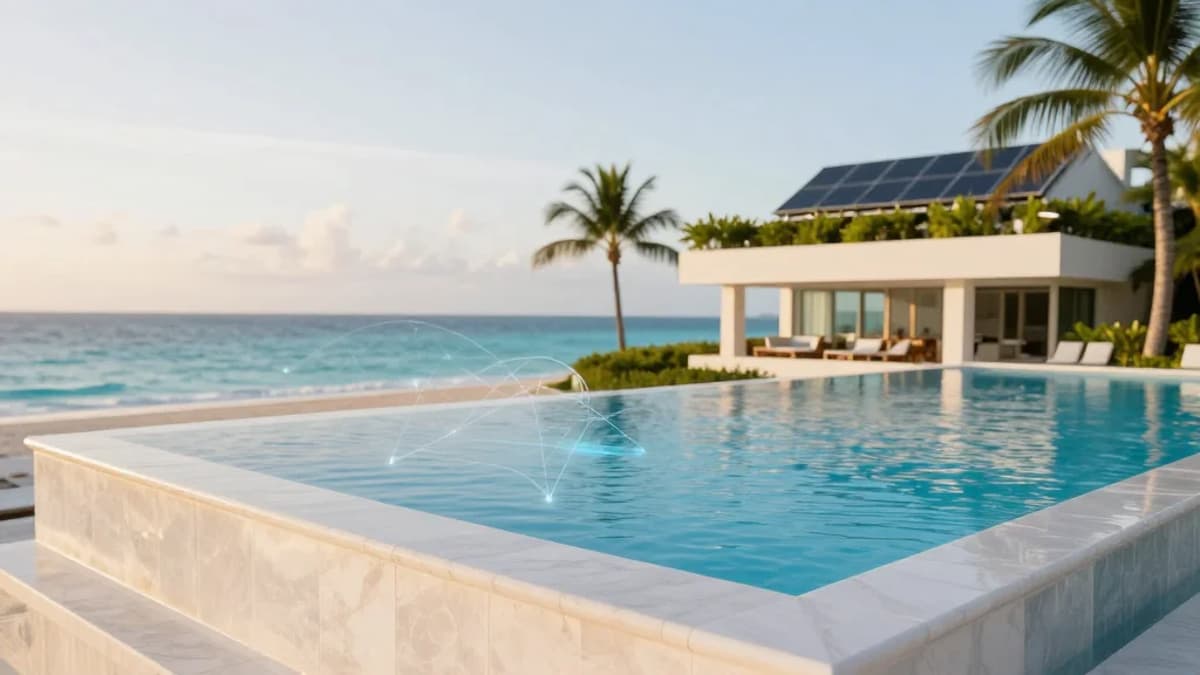
HOTEL INVESTMENT IN THE CARIBBEAN AND CENTRAL AMERICA KEEPS GROWING
•February 15, 2026
0
Why It Matters
The influx of multi‑billion‑dollar projects is reshaping the tourism economy, driving revenue growth, job creation, and a new standard for sustainable luxury. Innovative financing models also broaden access to global capital, accelerating development across the Caribbean and Central America.
Key Takeaways
- •Dominican Republic leads with 11.6M visitors, 70% occupancy
- •$1.5B Moon Palace opens, uses renewable energy
- •Grand Aston introduces tokenized hotel investment, 7‑14% returns
- •Belize Four Seasons focuses on marine conservation
- •Costa Rica launches nature‑centric luxury resorts
Pulse Analysis
The Caribbean’s tourism rebound is anchored in a strategic pivot toward high‑margin, environmentally conscious hospitality. After a decade of volume‑driven growth, destinations are now courting affluent travelers who value exclusive experiences and ecological stewardship. This shift is evident in the Dominican Republic’s record visitor numbers and occupancy rates, which have created a fertile environment for developers to launch mega‑resorts that blend luxury amenities with green building standards.
Flagship projects illustrate how capital and innovation converge in the region. The Grand Aston Coral Golf Resort & Spa leverages smart‑room technology and a pioneering tokenization model, offering investors digital ownership with projected returns of 7%‑14%. Meanwhile, Moon Palace Punta Cana’s $1.5 billion investment incorporates solar and wind power, positioning the resort as a benchmark for renewable energy adoption in large‑scale hospitality. Hyatt’s adults‑only Macao Beach expansion and the Four Seasons’ Belize marine‑conservation initiative further underscore a market-wide commitment to niche luxury and sustainability.
For investors and operators, these developments signal a durable growth engine. Tokenized assets lower entry barriers, attracting a broader pool of capital while enhancing liquidity. The emphasis on nature‑based experiences differentiates the Caribbean from competing leisure markets, potentially commanding premium pricing. As more projects adopt eco‑friendly designs and advanced tech, the region is set to solidify its reputation as a global hub for sustainable, high‑end travel, driving long‑term economic resilience and diversification.
HOTEL INVESTMENT IN THE CARIBBEAN AND CENTRAL AMERICA KEEPS GROWING
0
Comments
Want to join the conversation?
Loading comments...