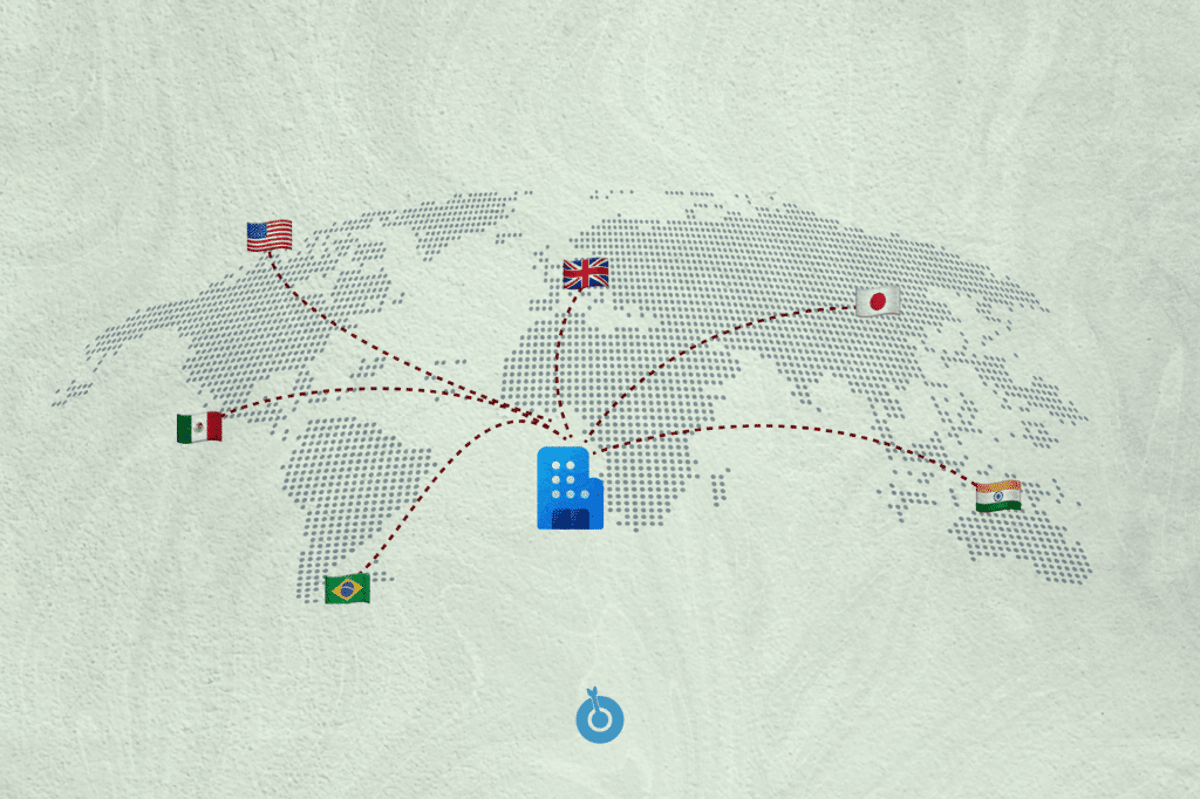
How Digital Special Economic Zones Could Unlock Africa for Global Tech Companies
Why It Matters
DSEZs accelerate tech companies’ entry into Africa’s $1 trillion digital economy, unlocking talent and revenue while reducing regulatory and cost barriers.
Key Takeaways
- •DSEZs let firms incorporate digitally without a physical African office
- •Faster setup cuts market entry time from months to weeks
- •Zones provide multi‑currency payment hubs, easing profit repatriation
- •Integrated talent pools give global firms access to Africa’s developer community
Pulse Analysis
Africa’s youthful, mobile‑savvy population makes the continent a magnet for global tech firms, yet traditional expansion routes are hampered by fragmented regulations, volatile currencies, and costly physical infrastructure. Digital Special Economic Zones (DSEZs) reinterpret the classic special‑economic‑zone model for the internet age, creating a cloud‑based legal jurisdiction that leverages existing free‑zone laws. Companies can register, comply, and operate from anywhere, while physical hubs like Lagos’s Alaro City supply the power, fiber, and co‑living spaces needed for on‑ground teams. This hybrid model reduces the bureaucratic lag that once deterred rapid market entry.
The operational advantages of DSEZs are immediate. By standardising incorporation and compliance processes, firms can launch in weeks rather than months, preserving the speed essential to tech product cycles. Multi‑currency payment frameworks within the zones mitigate the repatriation risk that has long plagued investors in volatile markets such as Nigeria. Moreover, the zones act as talent aggregators, granting seamless access to a continent‑wide pool of developers, designers, and operators without navigating each country’s employment laws. This talent‑as‑a‑service layer lowers hiring costs and accelerates product localisation.
Beyond Africa, DSEZs signal a broader shift toward border‑light corporate structures. As remote work normalises and digital trade expands, companies are likely to favour networked jurisdictions that provide regulatory certainty and financial fluidity. For investors, the model promises higher returns by unlocking previously inaccessible markets while containing capital outlay. In the near term, DSEZs could become the default gateway for any tech firm eyeing Africa’s rapidly expanding digital economy, reshaping how global expansion is strategised and executed.
How digital special economic zones could unlock Africa for global tech companies
Comments
Want to join the conversation?
Loading comments...