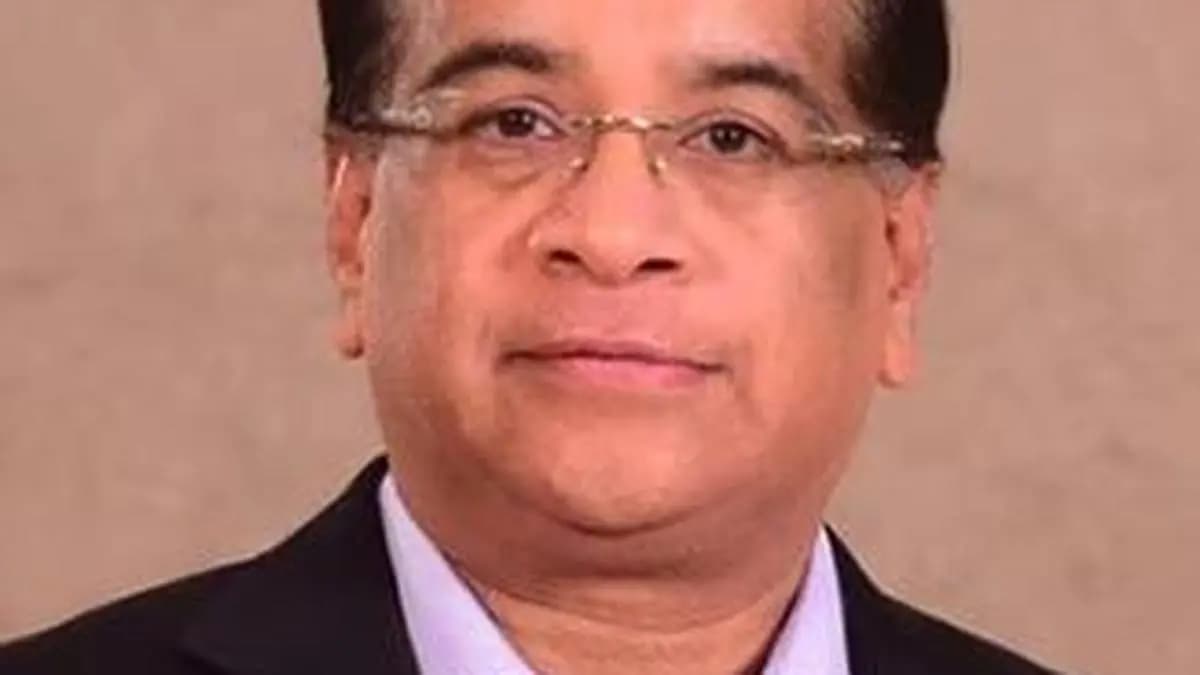
India Has a Strong Economic Runway for at Least Next 15-20 Years: Citi India Chief
Companies Mentioned
Why It Matters
India’s macro stability and massive capital needs make it a strategic hub for global banks, and Citi’s deepening focus positions it to capture lucrative financing and advisory fees. The outlook signals sustained opportunities for foreign investors and service providers across banking, capital markets and M&A.
Key Takeaways
- •Citi's India institutional franchise now larger than its former combined retail‑institutional operation
- •India adds $2 billion to Citi’s $80 billion revenue, ~4‑5% institutional share
- •$8‑10 trillion of infrastructure investment needed in India over the next 20 years
- •Citi holds ~60% market share in the US‑India cross‑border banking corridor
- •M&A expected to surge as family‑owned firms transition to second‑generation owners
Pulse Analysis
India’s macroeconomic resilience—characterized by steady consumption, a young workforce and political continuity—has attracted renewed attention from global banks. Citi’s decision to exit consumer banking three years ago and double‑down on institutional services has paid off, with its balance sheet and profitability now exceeding the pre‑exit era. This strategic shift aligns with the broader trend of foreign banks leveraging India’s growing demand for sophisticated financing, from large‑scale infrastructure projects to cross‑border trade, positioning the country as a cornerstone of their emerging‑market portfolios.
The scale of India’s upcoming infrastructure agenda is staggering: analysts estimate $8‑10 trillion will be required over the next two decades to upgrade roads, ports, power grids and urban centers. Domestic savings fall short, making foreign direct investment, sovereign‑wealth funds and private‑equity crucial. Citi aims to act as a conduit for this capital, offering transaction banking, capital‑markets expertise and advisory services. By anchoring its multinational‑subsidiary franchise and leveraging a 60% share in the US‑India corridor, the bank is well‑placed to capture fee income from both government‑backed projects and private‑sector expansions.
M&A dynamics are also set to accelerate as India’s family‑owned conglomerates confront succession challenges. Private‑equity firms and strategic buyers are increasingly eyeing quality assets, while Indian banks gain capacity to finance deals traditionally dominated by Japanese and European lenders. Citi’s strategy of originating transactions and syndicating them across a broad network of Indian banks enhances deal flow and spreads risk. This collaborative approach, combined with robust cross‑border corridors to the US, Europe and Asia, underscores the bank’s ambition to be a leading advisor in India’s transformation into a developed economy.
India has a strong economic runway for at least next 15-20 years: Citi India chief
Comments
Want to join the conversation?
Loading comments...