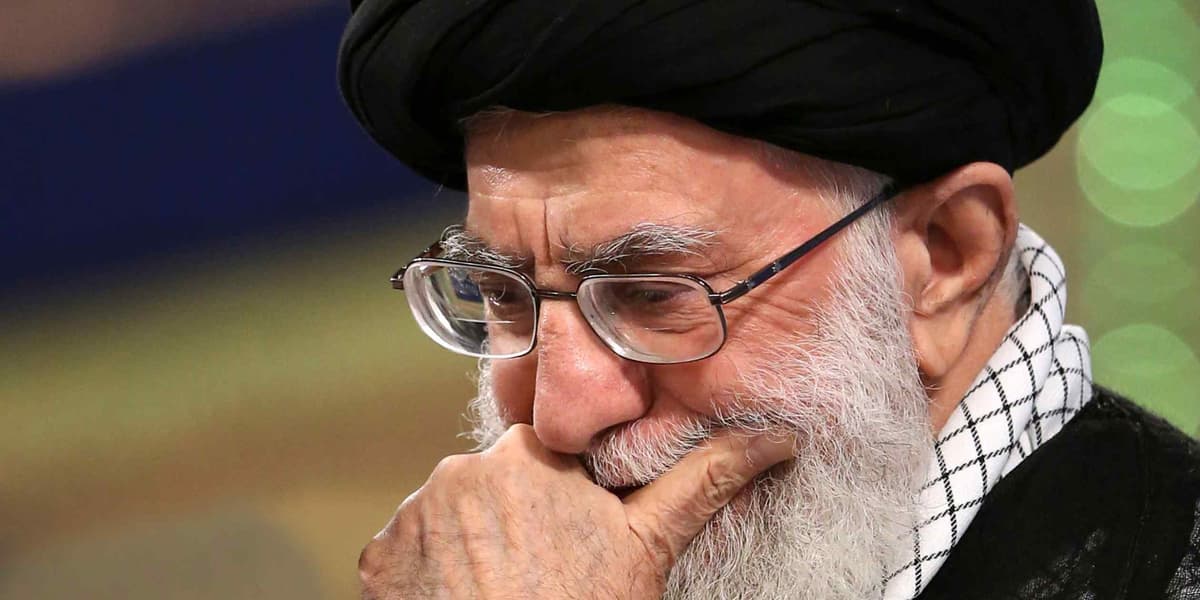
Iran Braces for Risky Transition as Khamenei's Death Leaves Power Vacuum
•March 1, 2026
0
Why It Matters
Khamenei’s death could trigger political instability, impacting domestic unrest and Iran’s foreign policy, while also influencing global oil prices and regional power dynamics.
Key Takeaways
- •Khamenei death creates leadership vacuum for 90 million
- •Interim council formed, but no successor named yet
- •Hardline policies may intensify internal unrest
- •Regional rivals eye influence amid Iran's uncertainty
- •Global markets watch for oil supply impacts
Pulse Analysis
The death of Ayatollah Ali Khamenei has thrust Iran into an unprecedented succession crisis. The nation’s constitution grants the Assembly of Experts the authority to appoint a new supreme leader, yet the body has convened only sporadically since the 1979 revolution. In the interim, a provisional council of senior clerics and military figures has taken charge of day‑to‑day governance, signaling continuity but offering no clue about the ideological leanings of a future leader. Potential candidates range from hard‑line hardliners entrenched in the Revolutionary Guard to more pragmatic clerics who might ease diplomatic isolation.
Domestically, the power vacuum could exacerbate simmering discontent that has been fueled by economic hardship, relentless sanctions, and recent protest waves. Without a clear authority, security forces may resort to harsher measures to preempt unrest, risking a cycle of repression and resistance. Conversely, a more moderate successor could open space for limited reforms, potentially unlocking stalled negotiations over Iran’s nuclear program. The uncertainty also complicates fiscal planning; oil revenues, already volatile, may decline further if investors perceive heightened political risk.
Regionally and globally, Tehran’s instability reverberates across the Middle East and energy markets. Rival states such as Saudi Arabia and Israel are likely to recalibrate their strategies, anticipating either a more aggressive posture or a diplomatic opening. For oil‑dependent economies and multinational corporations, the prospect of supply disruptions or sudden policy shifts underscores the need for contingency planning. Western powers, particularly the United States, will watch the succession process closely, weighing whether to engage a new leader or maintain pressure through sanctions and diplomatic isolation.
Iran braces for risky transition as Khamenei's death leaves power vacuum
0
Comments
Want to join the conversation?
Loading comments...