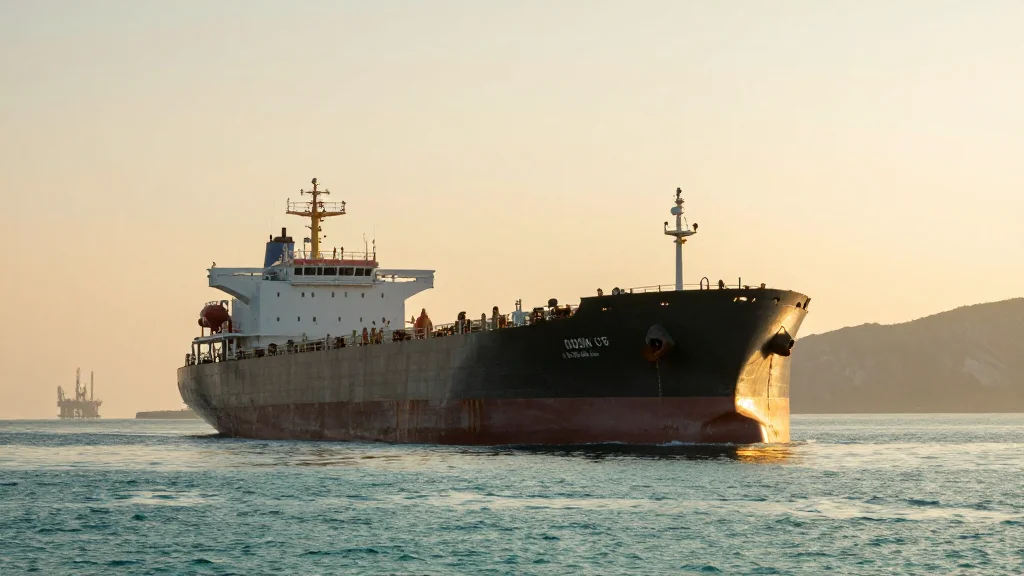
Iran Rejects US Ceasefire Offer, Brent Crude Surges Above $105 a Barrel

Why It Matters
Higher oil prices directly squeeze the balance sheets of emerging‑market governments that spend a larger share of GDP on energy imports. Inflationary pressure can erode real incomes, spark social unrest, and force central banks to raise rates, which in turn raises borrowing costs for businesses and sovereign debt. The closure of the Strait of Hormuz also highlights the geopolitical vulnerability of global supply chains, prompting countries to reconsider energy diversification strategies. For investors, the episode reshapes risk‑adjusted returns across the region. Countries with sizable oil reserves stand to benefit from higher revenues, while net importers face widening trade deficits. The divergent impact underscores the need for nuanced portfolio allocation that accounts for both commodity exposure and geopolitical risk.
Key Takeaways
- •Iran rejected a U.S. cease‑fire proposal, pushing Brent crude above $105 a barrel
- •Strait of Hormuz remains largely closed, tightening global oil supplies
- •Australian Treasury warned inflation could hit 5% if oil stays near $100 per barrel
- •Gold fell to $4,702 per ounce as the U.S. dollar index rose above 98
- •Higher oil costs threaten fiscal stability in oil‑importing emerging markets
Pulse Analysis
The Iran‑U.S. deadlock is a textbook case of how geopolitical flashpoints can instantly reprice a commodity that underpins the global economy. Historically, any disruption in the Hormuz corridor has translated into a 2‑4% swing in Brent, but the current environment—characterized by tighter global inventories and a post‑pandemic demand rebound—means the price elasticity is higher. Emerging markets, which already grapple with weaker fiscal buffers, will feel the shock more acutely than advanced economies that can tap deeper sovereign wealth funds.
In the medium term, the episode may accelerate a shift toward energy diversification in the region. Countries like Saudi Arabia and the UAE have already signaled intent to expand non‑oil revenue streams, while import‑dependent nations could fast‑track renewable projects to hedge against future supply shocks. Investors should monitor policy responses, especially any moves to adjust import tariffs or subsidize domestic energy production, as these will dictate the pace of inflation and growth in the affected economies.
Finally, the market’s reaction underscores the intertwined nature of commodity, currency, and equity markets in emerging economies. A sustained oil price rally could force central banks in Brazil, South Africa, and Turkey to tighten monetary policy, potentially triggering capital outflows and currency depreciation. Conversely, oil‑exporting nations like Nigeria and Kazakhstan may see a short‑term fiscal windfall that could be used to shore up reserves or fund infrastructure, but only if they manage the windfall prudently to avoid the classic resource curse. The next few weeks will be a litmus test for how resilient these economies are to external shocks.
Iran Rejects US Ceasefire Offer, Brent Crude Surges Above $105 a Barrel
Comments
Want to join the conversation?
Loading comments...