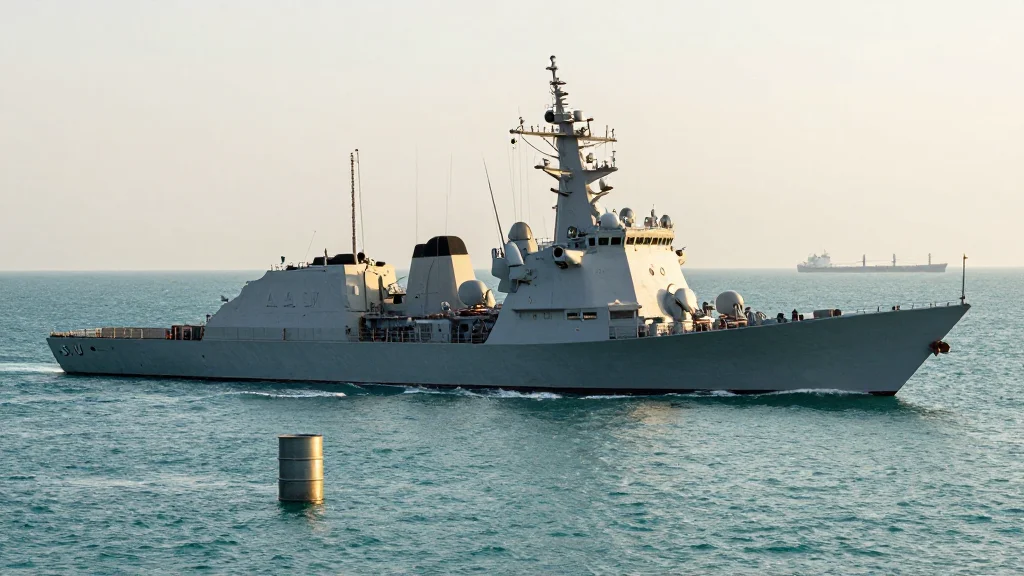
Iran-U.S. Talks Falter as Strait of Hormuz Violence Sparks Doubt

Why It Matters
The impasse over Iran‑U.S. talks is more than a diplomatic hiccup; it directly affects the flow of oil through the Strait of Hormuz, a chokepoint that underpins global energy markets. A prolonged shutdown or heightened naval confrontations would push crude prices higher, straining import‑dependent emerging economies and potentially triggering capital outflows from regional markets. Moreover, the lack of trust between Tehran and Washington signals broader geopolitical instability, discouraging foreign direct investment and complicating the rollout of infrastructure projects that many emerging markets rely on for growth. Beyond energy, the episode illustrates how diplomatic uncertainty can quickly translate into financial market volatility. Emerging‑market currencies, sovereign bonds, and equity indices often react sharply to any sign of escalation, as investors reprice risk. A clear resolution—whether through renewed talks or a mutually agreed ceasefire—could restore some stability, but the current mixed signals keep the region in a heightened state of alert.
Key Takeaways
- •President Donald Trump claimed a U.S. delegation was en route to Islamabad for Iran‑U.S. talks, but Vice President JD Vance had not yet departed the U.S.
- •Iran’s foreign ministry spokesperson Esmaeil Baqaei said Tehran had not decided on participation, citing a U.S. naval incident in the Strait of Hormuz as a violation of the ceasefire.
- •Parliament speaker Mohammad Bagher Ghalibaf warned that Iran does not trust the U.S. and is prepared for “necessary measures.”
- •The Strait of Hormuz handles roughly 20% of global oil shipments; any disruption could lift Brent crude and pressure oil‑importing emerging economies.
- •Mixed signals keep sovereign‑bond spreads widened and capital flows volatile across the Middle East and North Africa.
Pulse Analysis
The latest diplomatic wobble underscores a structural flaw in the Iran‑U.S. engagement framework: reliance on ad‑hoc, personality‑driven signals rather than institutionalized channels. Trump’s off‑the‑cuff assurances clash with the reality of a fragmented U.S. foreign‑policy apparatus, where senior officials like the Vice President may not be synchronized with the President’s public statements. This disconnect erodes credibility, especially for Tehran, which already views Washington’s overtures with suspicion.
For emerging markets, the stakes are amplified by the region’s dependence on oil revenues and the fragility of their fiscal balances. A sustained closure of the Strait would not only push global oil prices higher but also strain the foreign‑exchange reserves of import‑dependent economies, potentially triggering a cascade of currency depreciations and higher borrowing costs. Investors are likely to demand a risk premium, widening spreads on sovereign debt and depressing equity valuations in the region.
Looking ahead, the path to de‑escalation hinges on tangible confidence‑building measures. A mutually agreed reopening of the strait, perhaps mediated by a neutral party, could serve as a catalyst for renewed talks. Absent such steps, the diplomatic stalemate may become a chronic source of volatility, compelling emerging‑market policymakers to hedge against energy‑price shocks and to diversify away from over‑reliance on oil‑linked growth models. The next few weeks will be decisive in setting the tone for regional stability and market sentiment.
Iran-U.S. Talks Falter as Strait of Hormuz Violence Sparks Doubt
Comments
Want to join the conversation?
Loading comments...