Iran War Cripples Petrodollar System, Triggers Oil Shock and Inflation in Emerging Markets

Companies Mentioned
Why It Matters
The closure of the Strait of Hormuz strikes at the heart of the petrodollar system, which relies on the steady flow of oil revenues to sustain dollar‑denominated debt in many emerging economies. When that flow is interrupted, oil‑importing countries face higher financing costs and inflation, while exporters see revenue volatility that can destabilize fiscal balances. The war also illustrates how modern military doctrines, such as Iran’s decentralized provincial commands, can prolong conflicts and complicate diplomatic pressure, forcing regional powers and global investors to reassess risk premia. For the broader emerging‑market landscape, the shock underscores the interconnectedness of geopolitics, energy markets, and financial stability. Countries in the Mekong region, already vulnerable to commodity price swings, now confront higher fuel and food costs that could erode growth prospects. Gulf states, despite their oil wealth, must navigate a tighter fiscal environment as production cuts and higher insurance premiums bite. The unfolding diplomatic dance—between the U.S., Iran, and regional actors—will shape the pace at which oil supplies normalize and, consequently, how quickly emerging markets can regain monetary and fiscal footing.
Key Takeaways
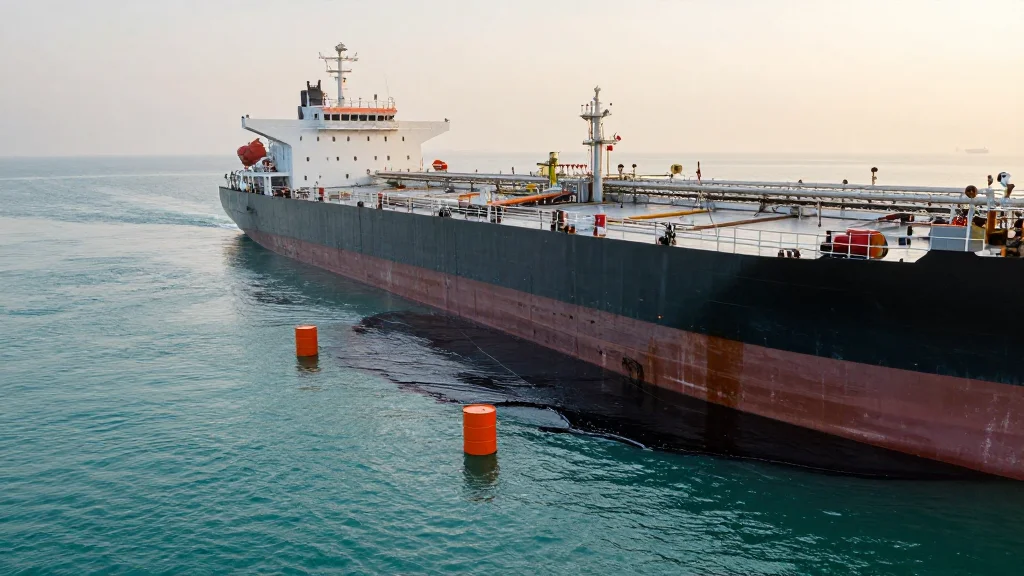
- •Strait of Hormuz, handling ~20% of global oil, effectively closed since Feb 28, 2026.
- •Kpler data: 38 commercial vessels hit; 24 by Iran, 4 by the U.S., rest unconfirmed.
- •More than 20,000 seafarers stranded, according to the International Maritime Organization.
- •Iran’s provincial command structure remains functional despite leadership losses.
- •U.S. and Iran claim a tentative cease‑fire framework, but key issues on Hormuz and nuclear policy remain unresolved.
Pulse Analysis
The Iran conflict has exposed a structural vulnerability in the petrodollar architecture: its reliance on a narrow set of chokepoints for oil flow. Historically, the Strait of Hormuz has been a low‑risk conduit, but the current war has turned it into a strategic weapon, forcing oil‑importing emerging markets to absorb price shocks that ripple through inflation, debt servicing, and capital flows. The immediate market reaction—spiking Brent crude above $100 per barrel—has already widened financing spreads for sovereigns with high dollar debt, a classic contagion pathway that could reignite capital outflows from the broader emerging‑market basket.
Strategically, Iran’s Mosaic Defense doctrine demonstrates a shift toward decentralized resilience, a model that other regional actors may emulate. By embedding command authority at the provincial level, Tehran has avoided the classic decapitation collapse that the U.S. and Israel anticipated. This resilience complicates coercive diplomacy and suggests that future conflicts in the Middle East may be fought with a higher degree of persistence, even under heavy external pressure.
Diplomatically, the tentative MoU touted by former President Trump and echoed by Indian officials signals a pragmatic, albeit fragile, recognition that prolonged disruption is mutually destructive. If the strait reopens, oil markets could stabilize, but the longer the impasse endures, the more likely we will see a re‑pricing of risk across emerging markets, prompting central banks to tighten monetary policy sooner than planned. Investors should watch for signals from the U.S. State Department, Iranian foreign ministry, and regional oil ministries as barometers of a possible de‑escalation, while also preparing for a scenario where the petrodollar’s dominance is further challenged by a fragmented, high‑cost energy landscape.
Iran War Cripples Petrodollar System, Triggers Oil Shock and Inflation in Emerging Markets
Comments
Want to join the conversation?
Loading comments...