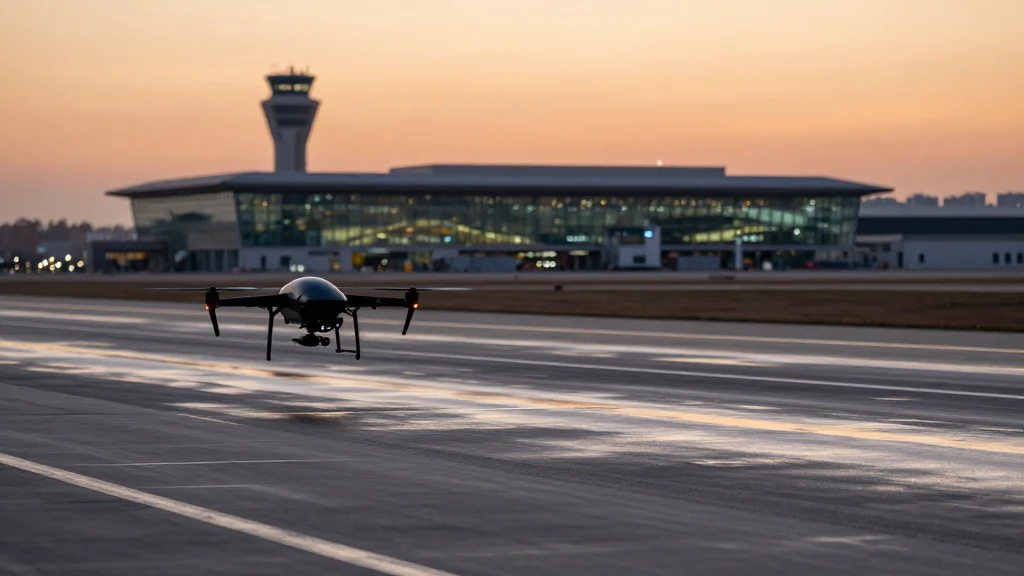
Iranian Drone Strikes Kuwait Airport, Killing One and Halting Flights

Why It Matters
The strike on Kuwait International Airport illustrates how geopolitical conflict can quickly translate into economic disruption in emerging markets. Kuwait’s aviation sector, a key driver of tourism and trade, faces immediate revenue loss and longer‑term reputational risk, potentially deterring foreign investment. The incident also exposes the vulnerability of civilian infrastructure to low‑cost drones, prompting Gulf states to reconsider defense spending and regional security cooperation. For investors, the episode adds a layer of political risk to the GCC, likely tightening credit spreads and influencing capital allocation decisions across the broader Middle East. Beyond Kuwait, the attack signals a possible escalation in Iran’s use of asymmetric tactics against civilian targets, raising concerns for neighboring economies that rely on stable air and sea routes. The market’s reaction—oil prices spiking and investors pulling back—demonstrates how quickly a single incident can ripple through global commodity markets and affect emerging‑market equities, underscoring the need for robust risk‑management frameworks.
Key Takeaways
- •Iranian Shahed‑136 drone hit Terminal 1 of Kuwait International Airport, killing one Indian national and injuring >60 people.
- •Kuwait expelled two Iranian diplomats and lodged a formal protest, while U.S. Central Command blamed Tehran.
- •Airport shutdown halted all commercial flights, costing an estimated $150 million in passenger revenue.
- •Oil prices rose nearly 2% following the attack, reflecting heightened market sensitivity to Gulf security shocks.
- •The incident underscores the growing threat of low‑cost drones to civilian infrastructure in emerging‑market economies.
Pulse Analysis
The Kuwait airport strike marks a turning point in how regional powers leverage unmanned systems to achieve strategic objectives. Historically, Iran’s missile and drone campaigns have focused on military installations; targeting a civilian hub now signals a willingness to disrupt economic lifelines directly. This tactic forces Gulf states to re‑evaluate their defense postures, potentially accelerating procurement of advanced air‑defense platforms such as the U.S. Patriot and Israeli Iron Dome variants. The financial implications are immediate—airlines reroute, passengers face higher fares, and the sovereign wealth fund may see a risk‑adjusted dip in asset valuations.
From an investment perspective, the incident re‑injects geopolitical risk premiums into GCC equities and sovereign bonds. Portfolio managers will likely increase hedges against oil price volatility and reassess exposure to sectors tied to tourism and logistics. Moreover, the diplomatic fallout—Kuwait’s rare public expulsion of Iranian diplomats—could fragment the traditionally cohesive GCC response to Tehran, creating a more unpredictable security environment. In the longer run, the episode may catalyze a regional security architecture that leans heavily on coalition‑based air‑defense and intelligence sharing, reshaping the competitive landscape for defense contractors and altering the calculus for foreign direct investment in the Gulf.
Finally, the episode underscores the importance of real‑time intelligence and crisis communication. The divergent narratives—U.S. attribution versus Iranian denial—highlight how information warfare can amplify market reactions. Stakeholders, from airlines to sovereign investors, will need to integrate geopolitical scenario planning into their operational and financial strategies to mitigate the fallout from such high‑impact, low‑cost attacks.
Iranian Drone Strikes Kuwait Airport, Killing One and Halting Flights
Comments
Want to join the conversation?
Loading comments...