Israeli Airstrikes Kill 10 in Southern Lebanon, Undermining Fragile Ceasefire

Why It Matters
The renewed Israeli‑Hezbollah clashes threaten to deepen Lebanon’s economic crisis, already marked by a collapsing currency, soaring inflation and a banking sector on the brink. Destruction of agricultural assets and disruption of trade routes could cut export earnings, worsening the country’s balance‑of‑payments deficit and prompting a further downgrade by rating agencies. For investors, the heightened geopolitical risk adds a premium to sovereign debt across the Middle East and North Africa, potentially prompting capital outflows from other emerging markets perceived as vulnerable to spillover effects. Beyond Lebanon, the conflict underscores how localized warfare can quickly translate into macro‑economic shocks for the broader emerging‑market landscape. Energy markets, already volatile due to tensions in the Strait of Hormuz, may see additional price spikes if the fighting spreads, affecting import‑dependent economies across Asia and Africa. Policymakers and investors will be watching diplomatic channels closely, as any escalation could force central banks in the region to reassess inflation forecasts and adjust monetary policy accordingly.
Key Takeaways
- •Israeli airstrikes on Friday killed at least 10 people in southern Lebanon, including civilians and a Lebanese soldier.
- •Hezbollah responded with rockets and drones, wounding two Israeli soldiers in the north.
- •Two Red Cross volunteers were killed and 18 wounded, bringing health‑worker deaths to over 100.
- •Mayor Hanna Daher said 850 families in Qlayaa remain despite repeated attacks, highlighting community resilience.
- •Analysts warn the breach could raise sovereign‑debt yields across the Middle East and North Africa emerging‑market region.
Pulse Analysis
The latest flare‑up in southern Lebanon illustrates a classic feedback loop between security shocks and emerging‑market vulnerability. Historically, even limited cross‑border skirmishes have prompted investors to reprice risk, as seen after the 2006 Lebanon war and the 2014 Gaza conflict. In Lebanon’s case, the country’s debt-to‑GDP ratio already exceeds 150%, and its currency has lost more than 80% of its value since 2020. Each additional casualty or infrastructure loss erodes confidence in the government’s ability to meet debt service, inviting higher spreads and potentially triggering a debt‑service crisis that could spill over to neighboring markets with similar fiscal constraints.
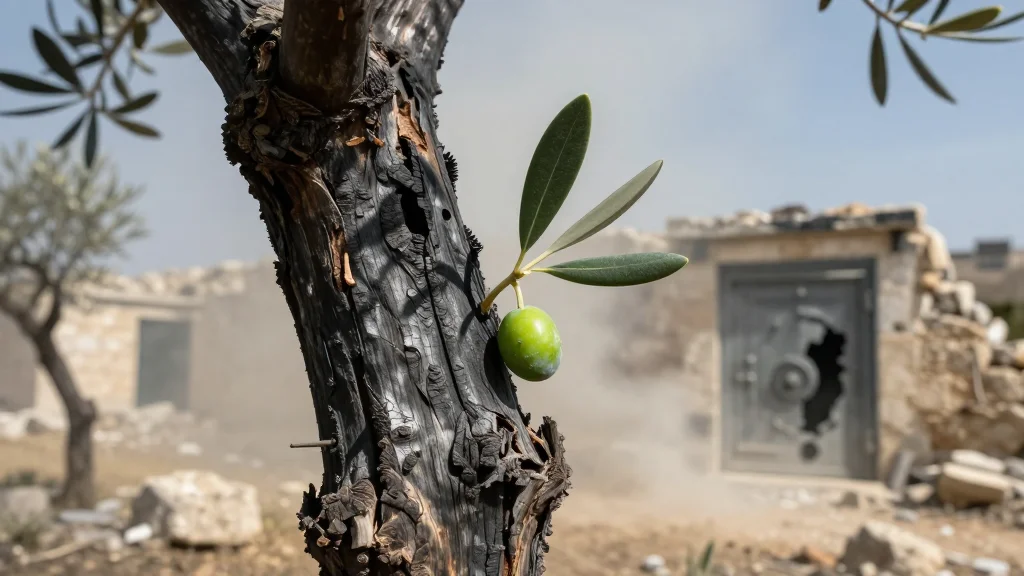
From a supply‑chain perspective, the destruction of olive groves and other agricultural assets threatens a sector that accounts for roughly 10% of Lebanon’s export earnings. With global food prices already elevated by climate‑related shocks, any contraction in Lebanese agricultural output could tighten regional food supplies, nudging up prices in markets like Egypt and Jordan that import Lebanese produce. Moreover, the ongoing risk of Israeli strikes on Hezbollah‑linked sites raises the specter of a broader escalation that could disrupt the Strait of Hormuz, a chokepoint critical to global oil flows. A sudden spike in oil prices would reverberate through emerging economies that are net importers, pressuring inflation and fiscal balances.
Strategically, the international community faces a dilemma: press for a durable ceasefire to stabilize markets, or risk a prolonged stalemate that fuels humanitarian crises and deepens economic distress. The upcoming UN‑mediated talks could serve as a litmus test for diplomatic resolve. If a credible de‑escalation pathway emerges, it may restore a modicum of investor confidence, allowing Lebanon’s battered bond market to stabilize and providing a window for IMF‑backed reforms. Conversely, a failure to contain the violence could accelerate capital flight, prompting regional central banks to tighten policy and further strain emerging‑market growth prospects.
Israeli Airstrikes Kill 10 in Southern Lebanon, Undermining Fragile Ceasefire
Comments
Want to join the conversation?
Loading comments...