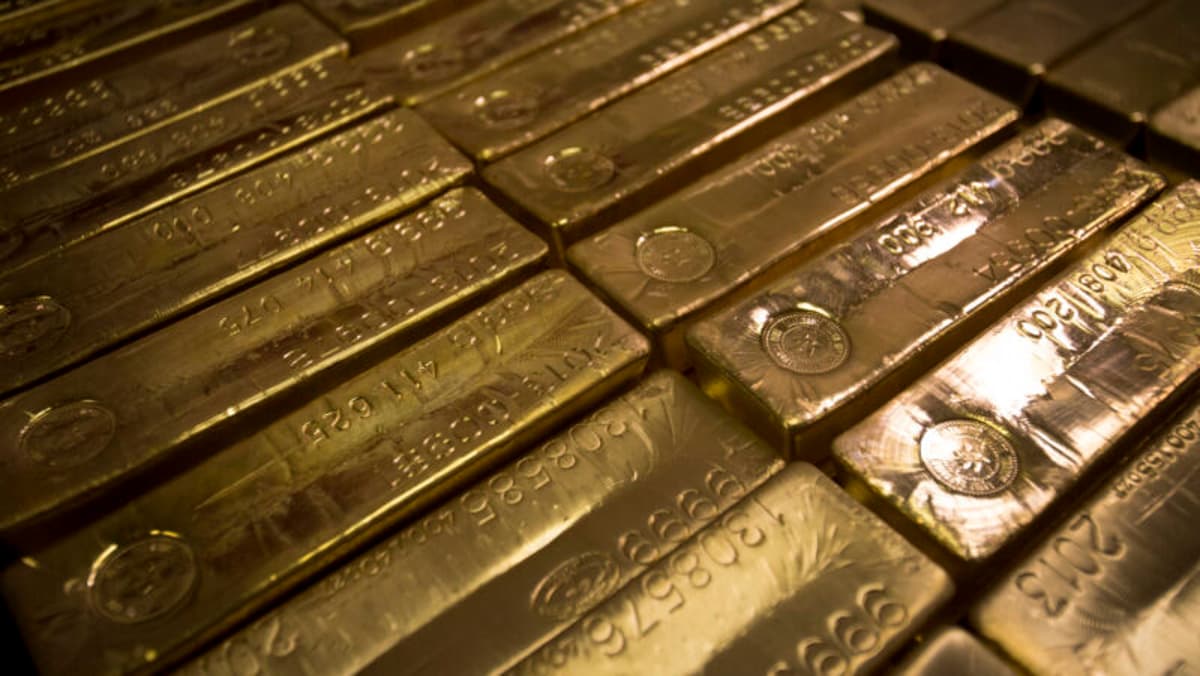
Lebanon Gold Sale Mooted to End Financial Crisis
•February 23, 2026
0

Why It Matters
The decision could unlock critical funding to stabilize Lebanon’s collapsing economy and satisfy IMF conditions, while also shaping public trust in government stewardship of national assets.
Key Takeaways
- •Lebanon holds >280 tons gold, valued ~$45bn
- •Gold price up 70% in past year, $5,000/oz
- •Sale requires parliamentary approval, currently prohibited by law
- •IMF rescue package hinges on addressing financial gap law
- •Critics fear gold sale benefits banks, not citizens
Pulse Analysis
Lebanon’s economic collapse, which began in 2019, has left the nation with a staggering debt burden and a currency that has lost more than 90 % of its value. Amid this turmoil, the country’s central bank still safeguards over 280 tons of gold—an asset accumulated since the 1940s to back the Lebanese pound. Recent commodity markets have driven gold prices up roughly 70 % to about $5,000 an ounce, inflating the reserve’s market value to an estimated $45 billion, a sum that could cover more than half of Lebanon’s recorded financial losses.
The legal framework adds a layer of complexity: Lebanese statutes expressly forbid the sale or lease of gold without a parliamentary amendment. Politicians and bankers are therefore weighing a potential legislative change against fierce public backlash, as citizens view the gold as a collective inheritance rather than a cash‑flow tool. The debate is further intensified by the IMF’s conditional rescue package, which hinges on the passage of a financial‑gap law that could be financed by liquidating part of the reserve. Failure to secure this funding may push the central bank toward another default, deepening the crisis.
Regional investors are watching closely, recognizing that Lebanon’s handling of its gold reserves could set a precedent for other resource‑rich economies facing fiscal distress. A transparent, inclusive process could restore confidence, attract foreign aid, and stabilize the banking sector. Conversely, a rushed, opaque sale might erode trust, provoke social unrest, and deter future investment. Stakeholders therefore need a balanced approach that safeguards national wealth while delivering the liquidity required for economic recovery.
Lebanon gold sale mooted to end financial crisis
0
Comments
Want to join the conversation?
Loading comments...