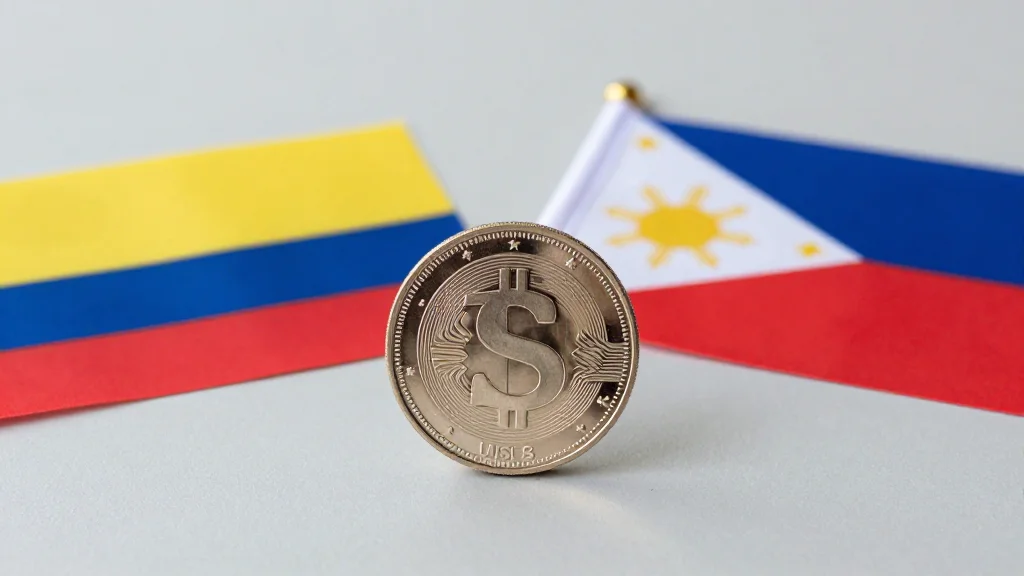
Meta Launches USDC Creator Payments in Colombia and Philippines, Targeting 160 Emerging Markets

Companies Mentioned

Why It Matters
The introduction of on‑chain stablecoin payouts by a platform that handles $3 billion in creator earnings signals a shift toward blockchain‑based financial infrastructure in emerging economies. By sidestepping traditional banking rails, Meta could lower transaction costs and speed up cross‑border payments, a critical advantage for creators who often rely on remittances and face high fees. However, the need for users to manage wallets and navigate fragmented conversion pathways may limit adoption, especially among creators without crypto expertise. The outcome will influence how quickly stablecoins move from speculative assets to everyday payment tools in regions where financial inclusion remains a challenge. Furthermore, the competition between Meta’s settlement‑first model and card networks’ conversion‑first approach could set industry standards for the next generation of digital payments. If Meta can partner with local exchanges or develop integrated fiat on‑ramps, it may unlock a new layer of financial services for gig workers, potentially reshaping monetary policy considerations as stablecoins become more prevalent in local economies.
Key Takeaways
- •Meta starts USDC payouts in Colombia and the Philippines, part of a rollout to >160 countries by year‑end.
- •Creator ecosystem generates roughly $3 billion in annual payouts, now settled on Solana or Polygon.
- •Meta’s model requires creators to manage external wallets and handle fiat conversion themselves.
- •Card networks counter with $1.8 billion Mastercard BVNK acquisition and Visa‑Bridge stablecoin cards.
- •Success hinges on building reliable off‑ramps in markets with fragmented liquidity and regulatory hurdles.
Pulse Analysis
Meta’s decision to use USDC for creator payouts is less a consumer‑facing product launch and more a strategic infrastructure play. By moving $3 billion of cash onto blockchain, the company tests the scalability of stablecoin settlement at a volume that rivals many regional payment processors. The pilot in Colombia and the Philippines is deliberately chosen: both have high mobile‑wallet penetration yet suffer from costly cross‑border transfers, making them ideal proving grounds.
The primary obstacle is the conversion layer. In markets where fiat on‑ramps are underdeveloped, creators face a multi‑step journey—wallet setup, network selection, exchange, compliance, and withdrawal—that can erode the cost advantage of stablecoins. This friction creates an opening for incumbents like Mastercard and Visa, which are investing heavily in integrated stablecoin solutions that hide the conversion step from end users. If Meta does not quickly address the off‑ramp gap, its stablecoin payments risk remaining a niche service for crypto‑savvy creators, while the broader creator base continues to rely on traditional card‑based payouts.
Looking ahead, the competitive dynamics will likely push Meta toward partnerships with local exchanges or the development of a Meta‑branded fiat conversion service. Such moves could accelerate stablecoin adoption, spur regulatory clarity, and potentially influence monetary policy as central banks monitor the flow of digital dollars in their economies. For emerging‑market fintech, the battle over who controls the conversion experience—Meta’s open‑chain model or the card networks’ integrated approach—will shape the next wave of digital financial inclusion.
Meta Launches USDC Creator Payments in Colombia and Philippines, Targeting 160 Emerging Markets
Comments
Want to join the conversation?
Loading comments...