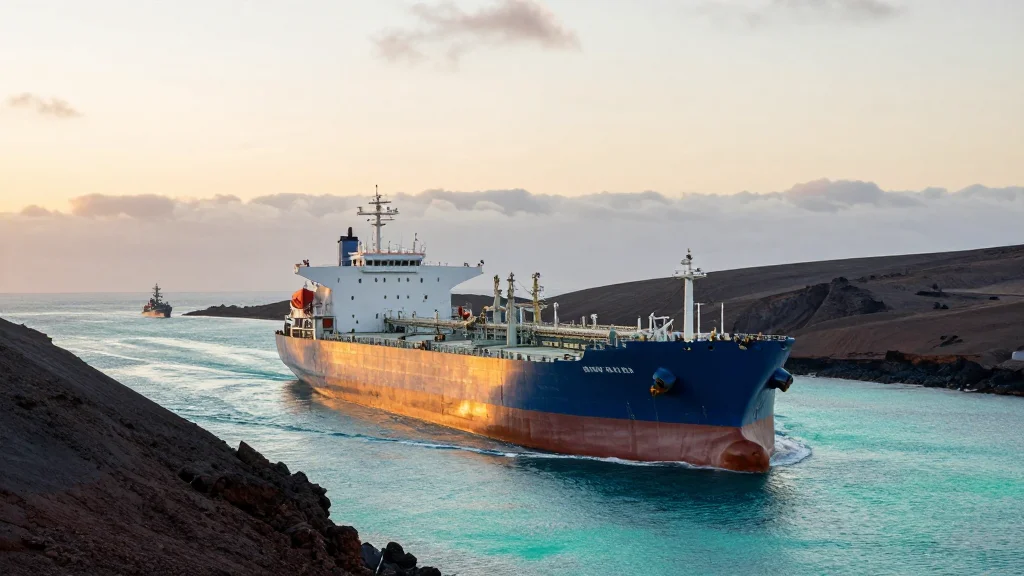
Middle East Conflict Set to Test ASEAN Unity as Leaders Gather in Cebu for Summit
Why It Matters
The summit tests ASEAN’s capacity to act collectively on a crisis that could spike regional fuel prices and destabilize supply chains, highlighting the bloc’s strategic relevance in global energy geopolitics.
Key Takeaways
- •ASEAN summit in Cebu focuses on Middle East energy disruptions.
- •Member states differ on energy reliance, limiting coordinated response.
- •Indonesia proposes Malacca Strait levy, but faces regional opposition.
- •Experts doubt ASEAN's immediate impact; expect solidarity statement.
- •Long‑term resilience hinges on energy cooperation and external Gulf ties.
Pulse Analysis
The ongoing conflict between Iran and Israel has sent ripples through the global energy market, tightening the flow of oil through the Strait of Hormuz—a chokepoint that handles roughly a quarter of worldwide seaborne crude. For Southeast Asian economies, many of which import a sizable share of their petroleum from the Middle East, the disruption translates into higher fuel costs and heightened inflationary pressures. At the Cebu summit, ASEAN leaders are therefore forced to confront a dual challenge: safeguarding domestic energy supplies while maintaining diplomatic balance amid shifting U.S. messaging on the crisis.
Internally, the bloc’s cohesion is tested by divergent energy profiles. Countries such as the Philippines and Vietnam depend heavily on imported Middle‑Eastern oil, prompting immediate mitigation measures like reduced fuel allocations for government fleets. In contrast, Indonesia, Malaysia and Thailand boast greater domestic production and are exploring policy tools such as a proposed levy on vessels transiting the Malacca Strait—a concept inspired by Iran’s own Hormuz charges but rebuffed by neighboring ministries. These differing priorities underscore why practical cooperation on intra‑ASEAN energy trade remains limited, despite shared rhetoric about peace and stability.
Looking ahead, experts argue that ASEAN’s strategic resilience will hinge on institutionalizing cross‑border energy frameworks, notably the voluntary ASEAN Petroleum Security Agreement and the long‑term vision of an integrated power grid. Complementary ties with Gulf Cooperation Council members could diversify supply sources and bolster bargaining power. While the Cebu summit may yield only a solidarity communiqué, it sets the stage for incremental steps toward a more coordinated, energy‑secure Southeast Asia.
Middle East conflict set to test ASEAN unity as leaders gather in Cebu for summit
Comments
Want to join the conversation?
Loading comments...