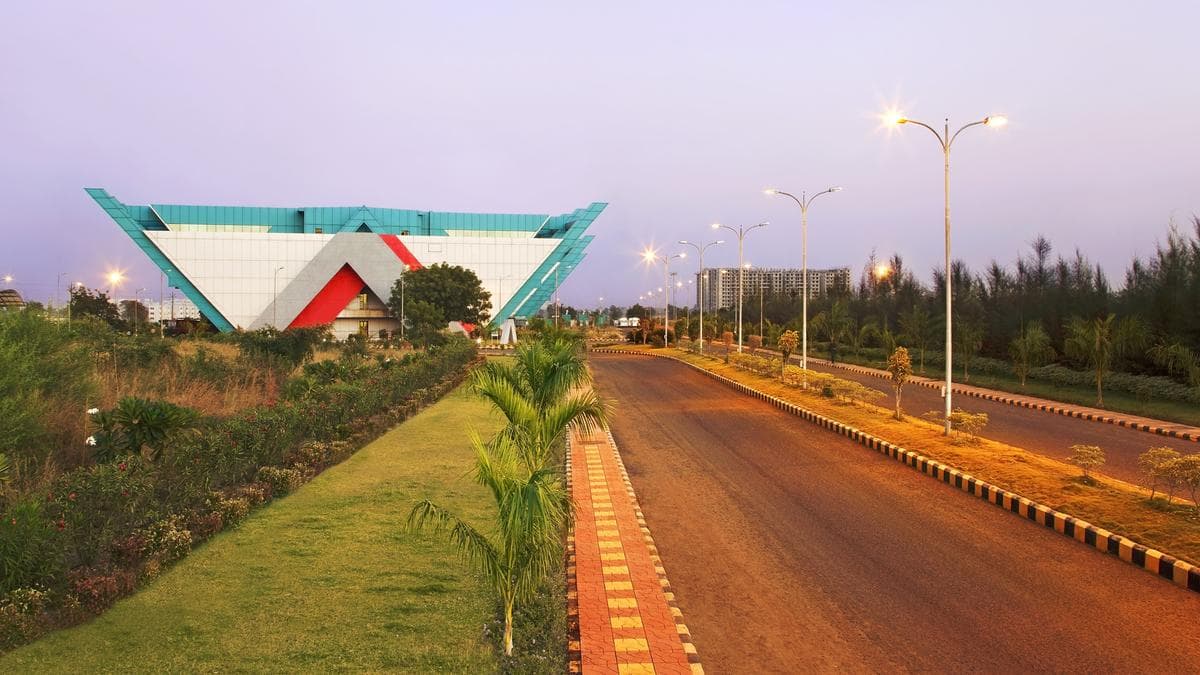
MIHAN Project Generates 1.27 Lakh Jobs, 120 Firms Invest in Nagpur Hub
•March 4, 2026
0
Why It Matters
The job creation and corporate influx position MIHAN as a catalyst for Maharashtra’s economic diversification and logistics competitiveness, while the compensation measures aim to mitigate social resistance and sustain project momentum.
Key Takeaways
- •MIHAN created 127,225 jobs across Maharashtra
- •120 firms invested; 90 already operational
- •Project‑affected persons receive compensation and housing support
- •Plot fees reduced to ₹50 per square foot
- •5% job reservation certificates transferable to next generation
Pulse Analysis
MIHAN’s evolution from a regional airport to a multi‑modal cargo hub reflects India’s broader push to modernise its logistics infrastructure. Situated at the geographic centre of the subcontinent, the Nagpur project links rail, road and air networks, offering manufacturers a faster gateway to domestic and export markets. This strategic positioning not only reduces freight costs but also attracts ancillary services, from warehousing to customs brokerage, reinforcing Maharashtra’s ambition to become a logistics powerhouse.
The announcement of 127,225 jobs and 120 corporate investors underscores MIHAN’s role as a major employment engine. With 90 firms already operational, the hub is generating demand for both skilled and semi‑skilled labour, prompting the state to launch targeted training programmes and a 5% job‑reservation scheme for project‑affected families. These measures help bridge the skills gap and ensure that the economic benefits cascade to the local population, fostering a more inclusive growth narrative.
Land acquisition and compensation have historically been flashpoints for large‑scale projects in India. Maharashtra’s decision to lower plot fees to ₹50 per square foot, extend payment deadlines, and provide housing subsidies signals a pragmatic approach to stakeholder management. By coupling financial relief with transferable employment certificates, the government aims to quell dissent while maintaining investor confidence. If these policies hold, MIHAN could attract further private capital, cementing its status as a catalyst for regional development and a template for future cargo‑centric megaprojects.
MIHAN project generates 1.27 lakh jobs, 120 firms invest in Nagpur hub
0
Comments
Want to join the conversation?
Loading comments...