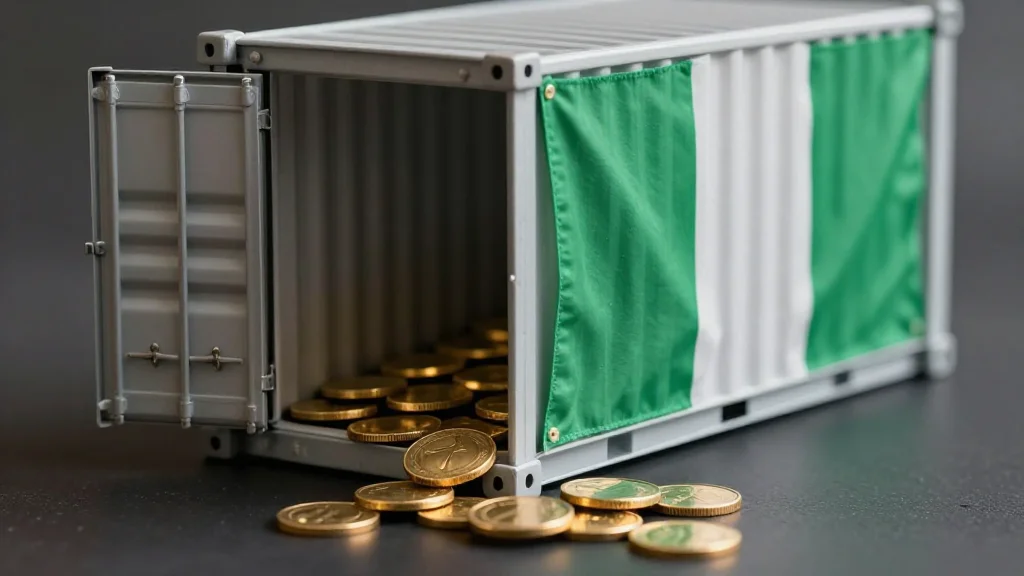
Nigeria Loses $600 M+ in Customs Duties as Illegal Container Sales Spark Call for Port Reforms

Companies Mentioned
Why It Matters
The loss of hundreds of millions of dollars in customs duties erodes Nigeria’s fiscal capacity at a time when the country is battling inflation, a weakening Naira and a widening trade deficit. Restoring revenue through stricter port controls would free up funds for essential public services and infrastructure, directly influencing the living standards of over 200 million Nigerians. Moreover, establishing a transparent, domestically‑driven container market could reduce reliance on foreign shipping firms, lower logistics costs for exporters and importers, and improve the resilience of supply chains that feed the broader African market. For investors and multinational firms, the episode signals both a risk and an opportunity. The risk lies in regulatory uncertainty and potential disruptions as the government tightens enforcement. The opportunity emerges for companies that can supply locally‑manufactured containers, tracking technology and compliance services, positioning themselves as partners in Nigeria’s drive toward a more self‑sufficient, digitised trade ecosystem.
Key Takeaways
- •Okey Ibeke estimates over $600 million in customs duties and VAT lost due to illegal sales of empty containers.
- •Grimaldi Agency Nigeria plans to sell 2,500 containers at $2,000 (40‑ft) and $1,600 (20‑ft) each, bypassing conversion rules.
- •Industry data suggests 250,000 containers sold illegally could cost Nigeria more than ₦600 billion (~$1.3 billion).
- •Nigeria imports 75 % of dry cargo while only 15 % of exports are containerised, leaving 97 % of ships empty.
- •Reforming the Temporary Import Guidelines and enforcing conversion could boost domestic container production and fiscal revenue.
Pulse Analysis
Nigeria’s customs revenue leak is a textbook case of how weak regulatory enforcement can magnify macro‑economic vulnerabilities. The country’s heavy reliance on oil exports, which are not container‑based, creates a chronic surplus of empty containers that foreign lines are incentivised to offload locally. By allowing these sales to slip through, the state forfeits not just immediate duty income but also the longer‑term benefits of a domestic logistics manufacturing sector.
Historically, emerging markets that have tackled similar loopholes—such as Brazil’s crackdown on illegal fuel imports in the early 2010s—have seen a dual payoff: a surge in government receipts and the birth of ancillary industries. In Nigeria, a calibrated policy mix that couples stricter customs audits with subsidies for local container makers could replicate that success. The move would also dovetail with the Central Bank’s anti‑dollarisation drive, as container sales would be forced to transact in Naira, reinforcing monetary stability.
Looking ahead, the real test will be political will. The shipping lobby is powerful, and any abrupt enforcement could provoke legal challenges or short‑term disruptions in cargo handling. However, the potential upside—a more resilient supply chain, higher fiscal space for infrastructure, and a stimulus for domestic manufacturing—makes the reform agenda compelling. Investors should monitor the NCS’s audit timeline, any legislative amendments to the Temporary Import Guidelines, and the emergence of Nigerian firms positioned to fill the container‑production gap. Those who act early could capture market share in a sector poised for rapid growth as Nigeria modernises its ports and logistics ecosystem.
Nigeria loses $600 M+ in customs duties as illegal container sales spark call for port reforms
Comments
Want to join the conversation?
Loading comments...