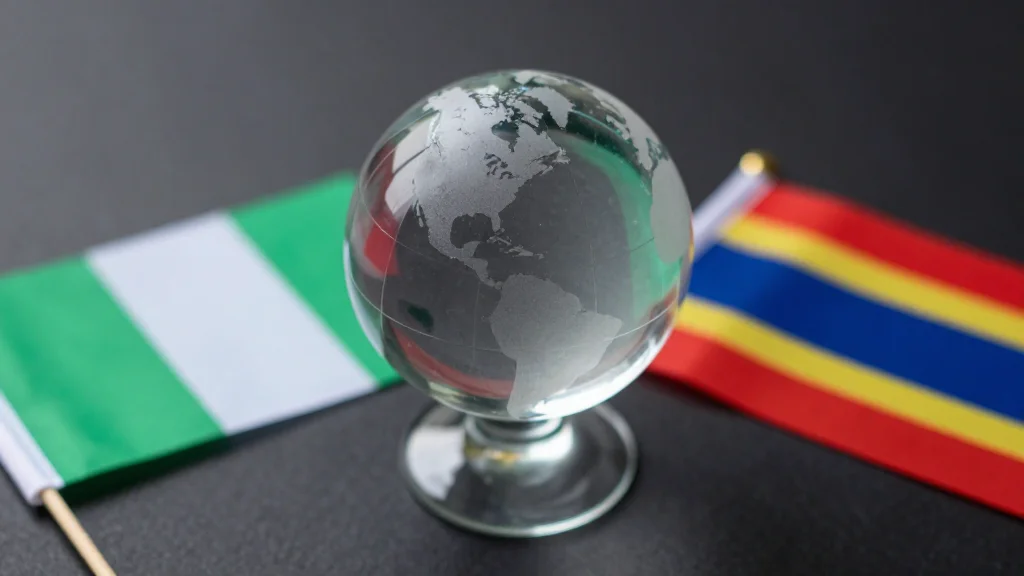
Nigeria Pushes for Stronger Africa‑Latin America Alliance at CELAC Forum

Why It Matters
Nigeria’s push for a deeper Africa‑Latin America partnership could reshape emerging‑market dynamics by creating a robust South‑South trade bloc that offers alternatives to traditional Western‑centric supply chains. For African economies, access to Latin American expertise in agro‑industry, renewable energy and digital technologies promises diversification of imports and new export markets, enhancing resilience against global shocks. For Latin America, stronger ties with Africa open pathways to the continent’s fastest‑growing consumer base, estimated at over 1 billion people, and to its abundant natural resources. The alliance also provides a diplomatic platform to collectively negotiate on climate finance, illicit capital flows and reparations, amplifying the bargaining power of developing nations in multilateral forums such as the UN and WTO.
Key Takeaways
- •Yusuf Maitama Tuggar, Nigeria’s foreign minister, urged deeper Africa‑Latin America cooperation at the CELAC‑Africa Forum in Bogotá (Mar 20‑21).
- •Nigeria is Africa’s largest market and highlighted opportunities in agro‑processing, fertilizer production, solid minerals, renewable energy and AI.
- •The Technical Aid Corps has deployed Nigerian professionals to Caribbean nations for nearly four decades.
- •Tuggar called for joint action on climate change, healthcare access, technology transfer and addressing illicit financial flows.
- •A follow‑up summit is planned in Lagos later this year to formalize cooperation agreements.
Pulse Analysis
Nigeria’s diplomatic overture marks a calculated effort to position itself as the linchpin of a new South‑South coalition. Historically, Africa’s trade with Latin America has been modest, constrained by logistics, limited market awareness and competing interests from China and the EU. By leveraging its demographic heft and growing middle class, Nigeria can offer Latin American firms a sizable consumer market while importing expertise in sectors where the region excels, such as agribusiness and renewable energy.
The emphasis on emerging technologies, particularly AI, reflects an awareness that future competitiveness will hinge on digital capabilities. If the alliance can secure joint research initiatives and technology‑transfer agreements, both regions stand to leapfrog current development gaps. However, translating rhetoric into binding contracts will require harmonized standards, financing mechanisms and political continuity beyond the current administrations.
In the broader emerging‑markets context, this push could trigger a re‑balancing of trade flows, encouraging other African nations to pursue similar South‑South linkages. The success of the Nigeria‑Latin America initiative may also influence how multilateral institutions allocate development financing, potentially shifting resources toward collaborative projects that demonstrate cross‑regional impact. The next few months, especially the Lagos summit, will be a litmus test for whether the partnership can move beyond symbolic statements to measurable economic outcomes.
Nigeria Pushes for Stronger Africa‑Latin America Alliance at CELAC Forum
Comments
Want to join the conversation?
Loading comments...