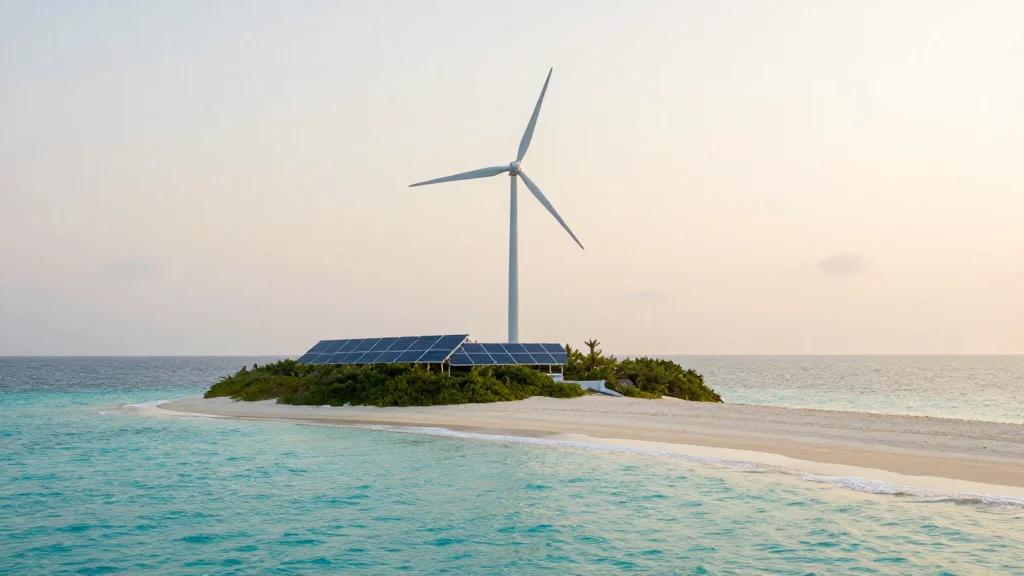
Pacific Island Leaders Demand Real Finance for Fossil‑Fuel‑Free Transition

Why It Matters
The Pacific islands sit at the frontline of climate change, with rising seas threatening to erase entire nations. Securing unconditional, large‑scale climate finance is not just an environmental imperative but a geopolitical one: the region’s stability, food security and migration patterns hinge on a successful transition to renewable energy. A failure to deliver could trigger humanitarian crises, increase displacement, and strain regional security frameworks. For emerging‑market investors, the Pacific’s financing gap represents both a risk and an opportunity. Robust, transparent funding mechanisms could unlock a wave of green infrastructure projects, offering high‑growth returns while aligning with ESG mandates. Conversely, continued financing shortfalls could exacerbate debt vulnerabilities and undermine investor confidence in similar emerging economies facing climate pressures.
Key Takeaways
- •Tuvalu’s climate minister Maina Talia demanded "real finance" without red tape at the Port Vila dialogue.
- •Palau’s environment minister Steven Victor warned islands lack resources despite 100% renewable targets.
- •The "Port Vila Call for a Just Transition" urges high‑emitting nations to fund Pacific renewable projects.
- •Leaders will present demands at the Fossil Fuel Non‑Proliferation Treaty summit in Santa Marta, Colombia.
- •Potential $1‑2 billion pipeline of green infrastructure financing could emerge for Pacific emerging markets.
Pulse Analysis
The Pacific’s demand for unconditional climate finance marks a strategic inflection point for emerging‑market financing. Historically, small island economies have been sidelined in global capital markets, relying on concessional aid that often comes with strings attached. By framing the request as a matter of survival rather than development, PSIDS leaders are reframing climate finance as a security issue, which could attract a broader coalition of investors, including sovereign wealth funds seeking to hedge climate risk.
If the Santa Marta conference delivers binding financing commitments, we could see a rapid scaling of renewable projects that bypass traditional loan structures. This would likely accelerate the entry of private equity and green bond issuers into the Pacific market, creating a new asset class for ESG‑focused portfolios. However, the success of this shift hinges on transparent governance and robust monitoring to avoid the pitfalls of past climate‑aid programs that suffered from leakage and misallocation.
In the longer term, the Pacific’s experience could serve as a template for other vulnerable emerging economies—from Bangladesh to the Caribbean—seeking to fast‑track decarbonization. The key will be aligning the urgency of climate action with disciplined financial engineering, ensuring that the influx of capital translates into resilient, low‑carbon growth rather than a new wave of debt distress.
Pacific Island Leaders Demand Real Finance for Fossil‑Fuel‑Free Transition
Comments
Want to join the conversation?
Loading comments...