Emerging Markets News and Headlines
  • All Technology
  • AI
  • Autonomy
  • B2B Growth
  • Big Data
  • BioTech
  • ClimateTech
  • Consumer Tech
  • Crypto
  • Cybersecurity
  • DevOps
  • Digital Marketing
  • Ecommerce
  • EdTech
  • Enterprise
  • FinTech
  • GovTech
  • Hardware
  • HealthTech
  • HRTech
  • LegalTech
  • Nanotech
  • PropTech
  • Quantum
  • Robotics
  • SaaS
  • SpaceTech
AllNewsDealsSocialBlogsVideosPodcastsDigests

Emerging Markets Pulse

EMAIL DIGESTS

Daily

Every morning

Weekly

Sunday recap

NewsDealsSocialBlogsVideosPodcasts
Emerging MarketsNewsPakistani PM Holds Talks with Rubio After Washington Summit
Pakistani PM Holds Talks with Rubio After Washington Summit
Emerging MarketsGlobal Economy

Pakistani PM Holds Talks with Rubio After Washington Summit

•February 20, 2026
0
bne IntelliNews
bne IntelliNews•Feb 20, 2026

Why It Matters

The talks deepen a strategic U.S.–Pakistan partnership while positioning Pakistan as a key player in the emerging critical minerals supply chain and Middle‑East peace efforts.

Key Takeaways

  • •Sharif and Rubio discussed critical minerals cooperation.
  • •Talks covered energy, counter‑terrorism, US investment opportunities.
  • •Pakistan praised Trump’s Gaza peace plan and Board of Peace.
  • •U.S. seeks Pakistani role in critical minerals supply chain.
  • •Sharif credited Trump for averting Pakistan‑India crisis.

Pulse Analysis

The meeting between Shehbaz Sharif and Marco Rubio underscores a renewed U.S. focus on securing reliable sources of critical minerals, a sector where Pakistan holds significant untapped deposits of lithium, copper and rare earths. By aligning energy development and counter‑terrorism cooperation with mineral extraction, Washington aims to diversify its supply chain away from traditional Asian exporters. For Islamabad, the engagement offers a pathway to attract high‑tech investment and modernize its mining regulatory framework, potentially boosting export revenues and creating jobs in a country eager to broaden its economic base.

Beyond economics, the dialogue touched on geopolitics, with Pakistan publicly endorsing President Trump’s Gaza peace blueprint and joining the first Board of Peace session. Sharif’s remarks linked the cessation of cease‑fire violations to broader regional stability, signaling Islamabad’s willingness to act as a diplomatic conduit between the United States and the Middle East. This alignment not only reinforces U.S. soft power in a volatile arena but also positions Pakistan as a constructive stakeholder in peace negotiations, a role that could translate into increased political capital on the global stage.

Looking ahead, the prospect of expanded American investment hinges on concrete progress in both mineral projects and security cooperation. U.S. firms are likely to evaluate joint ventures that meet environmental and governance standards, while Islamabad must continue counter‑terrorism collaboration to assure investor confidence. Additionally, Sharif’s credit to Trump for averting the 2025 Pakistan‑India crisis highlights the broader strategic calculus: stability in South Asia directly influences the viability of cross‑border trade and energy corridors. If these diplomatic threads hold, the partnership could reshape supply‑chain dynamics and reinforce regional peace.

Pakistani PM holds talks with Rubio after Washington summit

By bno · Kolkata Office, February 20, 2026

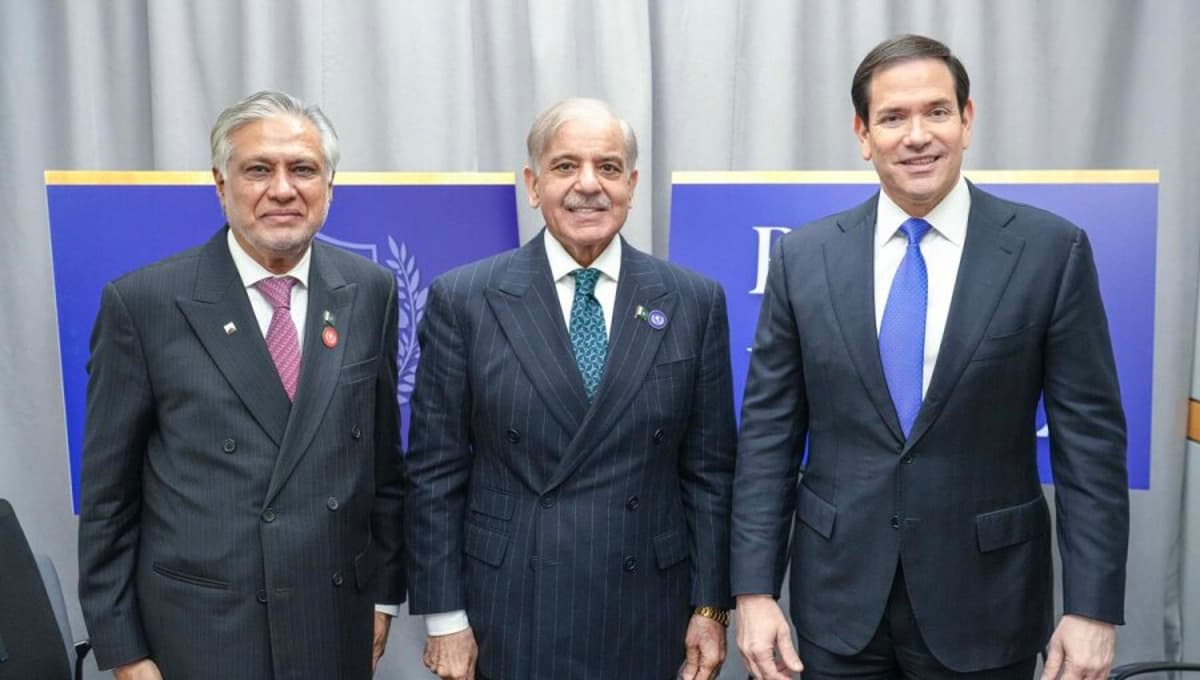
Pakistan’s Prime Minister Shehbaz Sharif met U.S. Secretary of State Marco Rubio in Washington on February 19, with discussions focusing on cooperation in critical minerals, energy, counter‑terrorism and the potential for increased American investment, according to a statement from the State Department, Dawn reports.

Earlier in the day, the Pakistani leader had been invited to address the inaugural session of a Gaza peace forum led by President Donald Trump.

The State Department said Rubio later thanked Pakistan for backing Trump’s Gaza peace plan and for participating as a founding member in the first meeting of the Board of Peace. He also conveyed condolences over the January 31 attacks in Balochistan and the lives lost in the February 3 bombing in Islamabad.

The meeting also covered Pakistan’s role in the recent Critical Minerals Ministerial in Washington, in which the U.S. welcomed Islamabad’s engagement and discussed collaboration in developing Pakistan’s energy and mineral resources, alongside potential future commercial opportunities for American companies.

Addressing the first meeting of the Board of Peace, Sharif stressed the need to end cease‑fire violations in Gaza, describing this as essential to securing durable peace in the conflict‑hit territory. He went on to say that the Palestinian people had endured prolonged occupation and hardship, and argued that lasting peace required an end to violations in order to preserve life and advance reconstruction. He added that Palestinians must be given control over their land and future in accordance with UN Security Council resolutions.

The Pakistani PM then praised the U.S. president’s efforts in bringing together the Board of Peace, saying that sustained support would help deliver lasting peace in Gaza while defining his legacy.

In his remarks, Sharif also credited Trump with helping to defuse the four‑day Pakistan‑India crisis in May 2025, claiming that his intervention had potentially prevented the loss of tens of millions of lives in the region; a claim Trump himself was eager to put forward at the time.

Read Original Article
0

Comments

Want to join the conversation?

Loading comments...