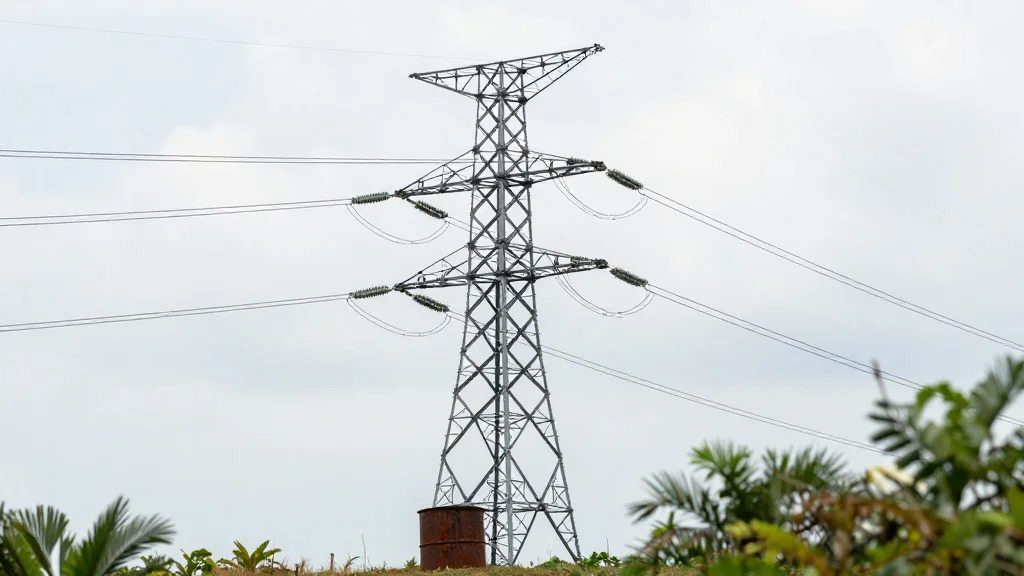
Philippines Energy Supply Strains and Price Volatility Threaten Growth

Why It Matters
Energy stability is a cornerstone of economic development, especially for emerging markets where power shortages can quickly translate into lost productivity and reduced foreign investment. In the Philippines, electricity underpins key growth sectors—from manufacturing and services to the burgeoning digital economy. Persistent volatility threatens to raise the cost of doing business, depress consumer confidence and widen the fiscal gap as the government may need to subsidise power or intervene in markets. Beyond the Philippines, the situation illustrates a broader challenge facing many emerging economies: the need to modernise ageing grids, diversify fuel sources and accelerate renewable integration while keeping tariffs affordable. How the ERC navigates these pressures will offer a template for other countries grappling with similar supply‑demand imbalances and could influence regional financing decisions by multilateral development banks and private investors alike.
Key Takeaways
- •ERC achieved a 100 % resolution rate on 76 consumer complaints (Jan‑Apr 2025), with 73.68 % of tickets consumer‑related.
- •Rising fuel costs and transmission bottlenecks are driving wholesale power price volatility.
- •Regulatory actions include market‑share caps for generators and a review of new transmission projects.
- •Energy price spikes are expected to lift household electricity bills and increase operating costs for manufacturers.
- •ERC plans public workshops on renewable incentives and revised transmission guidelines by early 2027.
Pulse Analysis
The Philippines’ energy dilemma is emblematic of a structural transition that many emerging markets are undergoing. Decades of reliance on imported fossil fuels have left the country vulnerable to external shocks, a weakness that the ERC’s recent warnings bring into sharp focus. While the regulator’s impressive consumer‑complaint turnaround demonstrates operational competence, it does not address the deeper supply‑side constraints that drive price spikes.
Historically, the Philippines has lagged its regional peers in renewable capacity, partly because of fragmented policy incentives and a grid that struggles to absorb intermittent generation. The ERC’s push to tighten market‑share limits and scrutinise transmission projects signals a shift toward a more disciplined market, but without a clear, long‑term roadmap for renewable integration, the measures may only provide temporary relief. Investors are looking for certainty: clear signals on tariff structures, predictable approval timelines for new projects, and a credible commitment to de‑risking renewable investments.
If the ERC can successfully marry short‑term price stability with a credible renewable‑energy strategy, the Philippines could re‑position itself as a growth hub in Southeast Asia, attracting both green‑finance inflows and traditional infrastructure capital. Failure to do so, however, risks a feedback loop where higher electricity costs erode consumer spending, dampen industrial output and ultimately shrink the tax base needed to fund further grid upgrades. The next six months will be decisive; the regulator’s ability to deliver on its reform agenda will likely determine whether the Philippines joins the ranks of emerging markets that have turned energy challenges into a catalyst for sustainable growth, or becomes a cautionary tale of missed opportunity.
Philippines Energy Supply Strains and Price Volatility Threaten Growth
Comments
Want to join the conversation?
Loading comments...