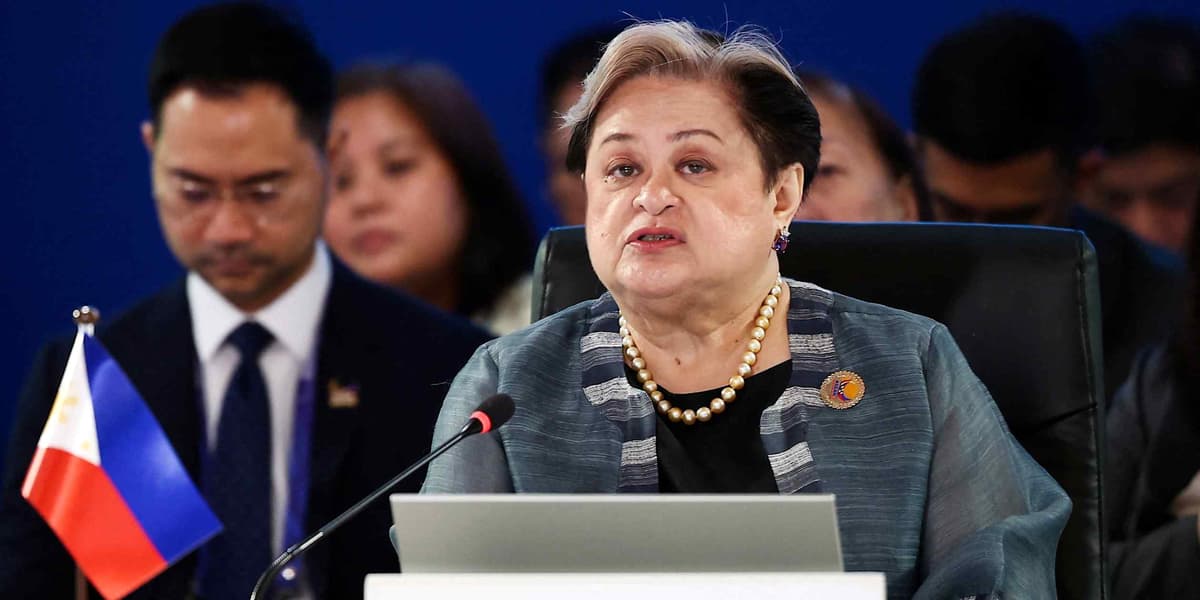
Philippines Urges ASEAN to Strengthen Crisis Coordination Amid Iran War
Why It Matters
Enhanced ASEAN coordination could stabilize energy supplies, protecting growth and inflation targets across the region. Strengthening institutional readiness positions the bloc as a more resilient actor amid volatile geopolitical shocks.
Key Takeaways
- •ASEAN lacks a unified rapid‑response protocol for energy shocks
- •Iran‑Israel conflict has driven global oil prices above $100 per barrel
- •Philippines leads call for institutional readiness within ASEAN
- •Energy volatility threatens inflation targets in Southeast Asia
- •Upcoming summit may set agenda for a regional crisis task force
Pulse Analysis
The Iran‑Israel war has reignited concerns over global energy security, pushing crude oil prices past the $100‑per‑barrel threshold and tightening supply chains that stretch to Southeast Asia. For ASEAN members, whose economies are heavily dependent on imported oil and gas, the ripple effects manifest as higher transportation costs, rising consumer prices, and strained fiscal balances. The Philippines, experiencing a sharp uptick in inflation, is positioning itself as a vocal advocate for collective action, arguing that fragmented national responses are insufficient to address a crisis of this magnitude.
Within ASEAN, existing mechanisms such as the ASEAN Energy Cooperation and the ASEAN Coordinating Council provide a framework, but they lack the speed and authority needed for emergency coordination. Lazaro’s call for "institutional readiness" underscores the need for a dedicated crisis‑management body, standardized data‑sharing protocols, and pre‑negotiated contingency contracts with major energy exporters. Regional experts suggest that a standing task force, backed by legal mandates, could streamline decision‑making and enable rapid deployment of strategic reserves when markets destabilize.
If ASEAN adopts these recommendations, the bloc could mitigate the inflationary shockwaves currently hitting member economies, preserving consumer confidence and safeguarding growth trajectories. For the Philippines, leading this initiative may enhance its diplomatic clout and attract investment by demonstrating proactive governance. Moreover, a coordinated ASEAN response would send a clear signal to global energy markets that the region can collectively manage supply disruptions, potentially stabilizing price volatility and reinforcing the bloc’s strategic relevance on the world stage.
Philippines urges ASEAN to strengthen crisis coordination amid Iran war
Comments
Want to join the conversation?
Loading comments...