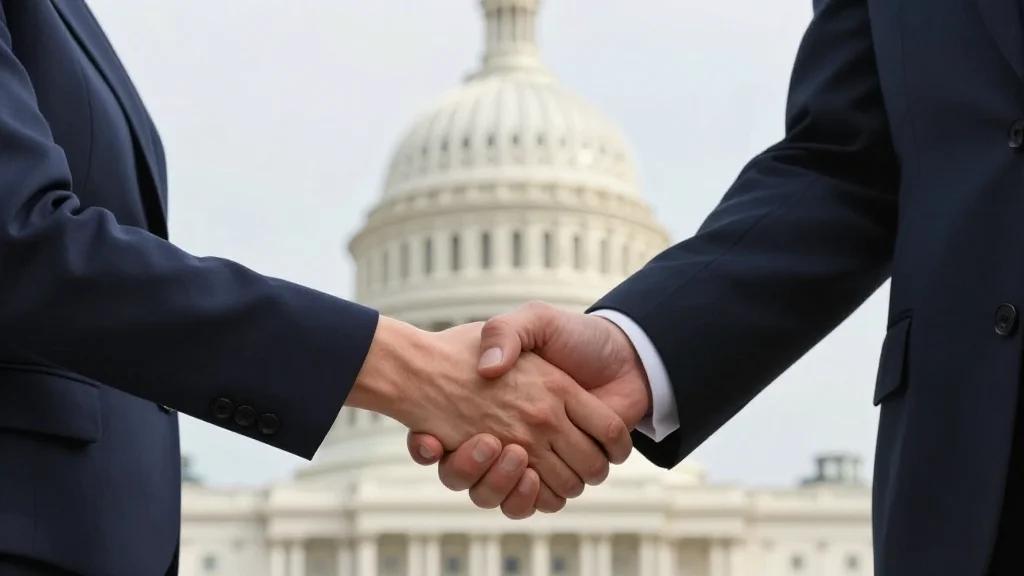
Pro-Ukraine Lawmakers Call Out Russian Delegation’s Visit to Washington
Why It Matters
The episode highlights the political volatility of U.S.-Russia engagement while the Ukraine conflict intensifies, influencing congressional oversight and foreign‑policy credibility. It also underscores how domestic partisan divides shape perceptions of diplomatic outreach.
Key Takeaways
- •Lawmakers hosted Russian Duma delegation at Capitol
- •Bipartisan criticism labels visit security and moral threat
- •Debate reflects tension over U.S.-Russia dialogue amid Ukraine war
- •Some Republicans defend engagement as peace dialogue
- •State Dept. notes meetings include junior officials as note‑takers
Pulse Analysis
Congressional outreach to foreign officials is a long‑standing practice, but the recent Russian delegation visit has reignited debate over the limits of such engagement. While diplomatic channels can de‑escalate tensions, the timing—amid Russia’s four‑year invasion of Ukraine and heightened scrutiny of its ties to Iran—makes any perceived legitimacy a flashpoint for critics. Lawmakers who facilitated the tour argue that open dialogue is essential for peace and economic opportunity, yet opponents contend that granting visas and Capitol access effectively rewards a regime responsible for war crimes, undermining U.S. credibility on human‑rights advocacy.
The bipartisan outcry reflects deeper partisan calculations. Democrats frame the meeting as a security breach and a moral equivalency with authoritarian regimes, echoing concerns about foreign influence on Capitol Hill. Meanwhile, a handful of Republicans defend the engagement as a pragmatic step toward dialogue, positioning themselves as bridge‑builders in a polarized environment. This split mirrors broader congressional battles over foreign‑policy priorities, especially as the House and Senate grapple with aid packages for Ukraine and sanctions on Russia, while also navigating the emerging Russia‑Iran intelligence cooperation that could further destabilize the region.
Beyond the immediate political theater, the episode signals how U.S. diplomatic protocols are being tested. The State Department’s involvement—assigning junior officials as note‑takers—suggests an effort to maintain procedural oversight without overtly endorsing the delegation. As the conflict in Ukraine continues to dominate policy agendas, any outreach to Moscow will be measured against its impact on alliance cohesion, legislative support for defense spending, and the broader narrative of American commitment to democratic values. Stakeholders, from policymakers to business leaders, will watch closely to gauge whether such engagements can coexist with a firm stance against aggression.
Pro-Ukraine lawmakers call out Russian delegation’s visit to Washington
Comments
Want to join the conversation?
Loading comments...