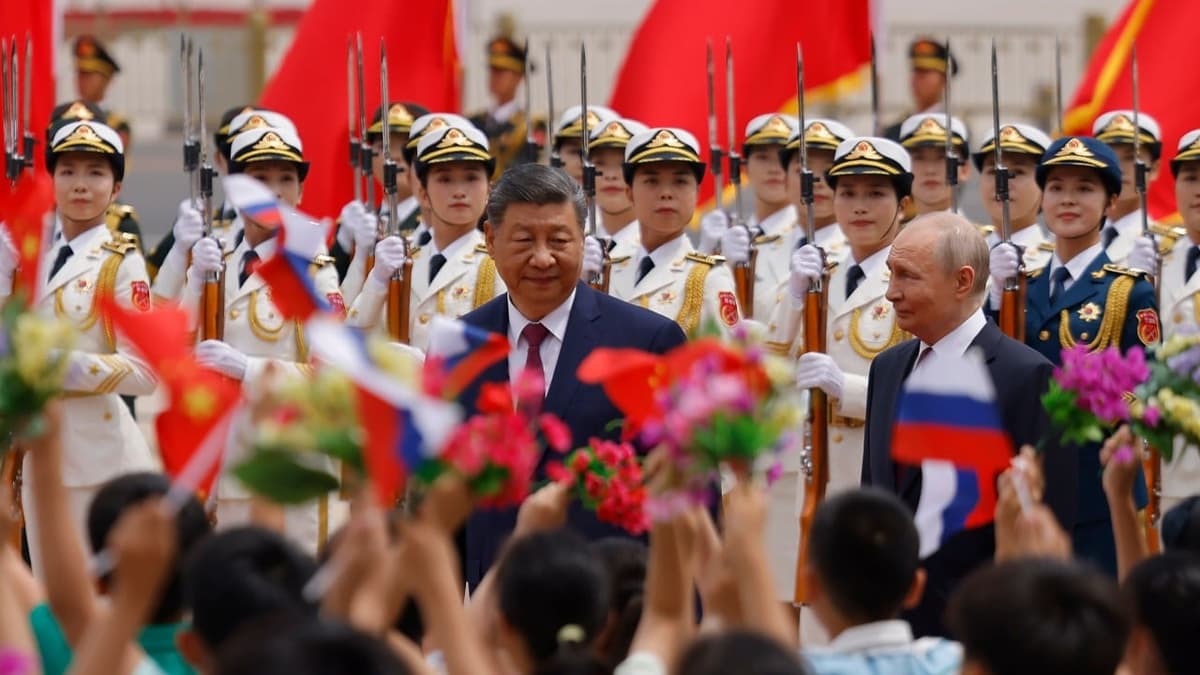
Putin in Beijing, ‘China Shock’ in EU: 7 Global Relations Reads
Why It Matters
These moves signal a hardening of Western economic defenses and a realignment of strategic partnerships that could reshape trade flows, security postures, and dispute‑resolution markets worldwide.
Key Takeaways
- •EU adopts stricter China trade rules, signaling policy shift.
- •Putin's Beijing visit follows Trump, deepening Russia‑China partnership.
- •China uses electronic interference to repel Dutch warship near Paracels.
- •Quad foreign ministers meet in New Delhi to assert bloc relevance.
- •China's new arbitration law aims global hub status, but trust lags.
Pulse Analysis
The European Union’s decision to harden its China trade policy marks a decisive pivot from engagement to strategic caution. By coupling tighter customs checks with the Industrial Accelerator Act, Brussels aims to shield critical sectors from perceived over‑reliance on Chinese capital, a move that could redirect billions of euros of investment toward domestic innovation pipelines. This policy shift also sends a clear signal to Beijing that market access will now be contingent on adherence to EU standards and geopolitical considerations.
In parallel, high‑level visits by Vladimir Putin and Donald Trump to Beijing within days of each other highlight a burgeoning multipolar contest. Russia’s presence reinforces its "comprehensive partnership" with China, offering Moscow a counterweight to Western sanctions, while the United States seeks to manage competition through direct dialogue. The proximity of these trips underscores Beijing’s role as a diplomatic hub where great powers test their influence, a dynamic that will likely affect energy negotiations, security arrangements, and technology collaborations across Eurasia.
China’s domestic reforms, from a revamped arbitration law to assert itself as a global dispute‑resolution hub, reveal an ambition to diversify its soft‑power assets. Yet analysts warn that trust deficits—exacerbated by incidents like the electronic interference against a Dutch warship—remain a barrier to broader acceptance. As the Quad ministers reconvene in New Delhi to reaffirm relevance, the broader narrative is one of competing blocs vying for legitimacy in a fragmented world order, where trade, security, and legal frameworks intersect more tightly than ever before.
Putin in Beijing, ‘China shock’ in EU: 7 global relations reads
Comments
Want to join the conversation?
Loading comments...