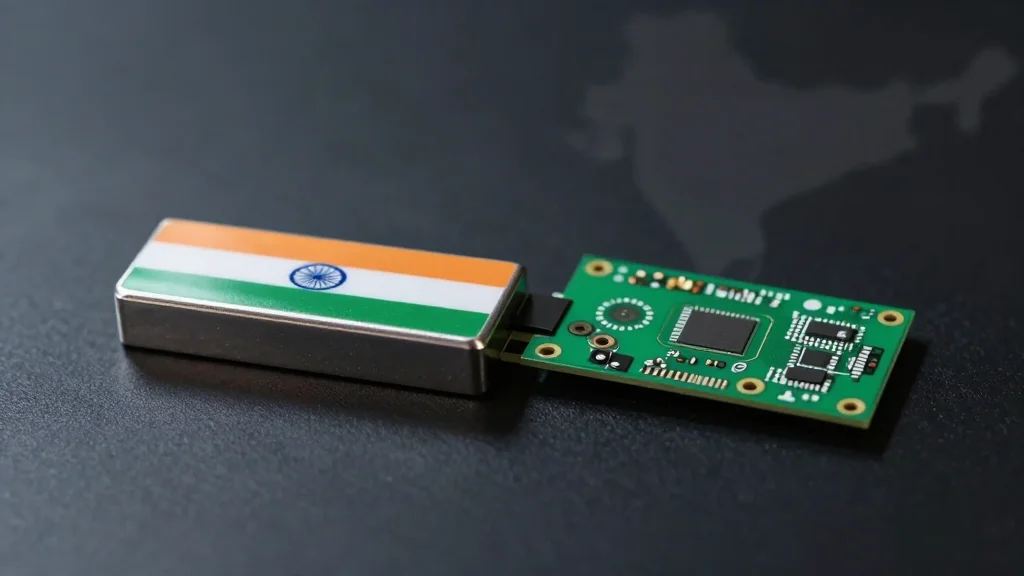
Rare Earths, PCBs Among 40 Sub-Sectors on FDI Fast Track
Companies Mentioned

Reserve Bank of India
Why It Matters
Accelerated approvals aim to secure critical‑technology supply chains while tightening oversight of border‑state investors, boosting confidence for foreign capital in strategic sectors.
Key Takeaways
- •40 sub‑sectors fast‑tracked for FDI clearance within 60 days
- •Rare‑earth magnets and PCBs highlighted as strategic priorities
- •Investors must disclose shareholding, beneficial owners, and citizenship details
- •RBI gains real‑time access to ownership data for border‑state investors
- •Chinese/Hong Kong stakes capped at 10% with Indian majority control
Pulse Analysis
India’s latest foreign‑direct‑investment (FDI) reform targets 40 high‑tech sub‑sectors, including rare‑earth permanent magnets and printed circuit boards, by guaranteeing a 60‑day clearance window. The policy reflects a dual objective: attracting capital for critical‑technology manufacturing while tightening scrutiny of investors linked to neighboring countries. By mandating granular disclosures—shareholding patterns, beneficial owners, and citizenship status—the government ensures that the Reserve Bank of India can monitor cross‑border influence in real time, aligning financial oversight with national security concerns.
The fast‑track mechanism is especially significant for the electronics and advanced materials ecosystem. Rare‑earth magnets are essential for electric‑vehicle motors, wind‑turbine generators, and defense applications, while printed circuit boards underpin everything from smartphones to aerospace systems. Streamlined approvals reduce project lead times, encouraging multinational firms to set up production hubs in India rather than shifting to alternative locations. This could help the country close the import gap in these components, fostering a domestic supply chain that supports the Make in India agenda and reduces reliance on external sources.
Geopolitically, the reform balances openness with caution. By limiting Chinese or Hong Kong ownership to a non‑controlling 10% stake and insisting that Indian residents hold majority control, the policy mitigates strategic risks while still offering a clear pathway for foreign capital. The enhanced reporting framework, tied to the 2019 Foreign Exchange Management Regulations, provides regulators with a transparent view of cross‑border investments. For investors, the certainty of a swift, predictable approval process—combined with robust compliance guidelines—creates a more attractive environment for funding India’s next wave of high‑value manufacturing.
Rare earths, PCBs among 40 sub-sectors on FDI fast track
Comments
Want to join the conversation?
Loading comments...