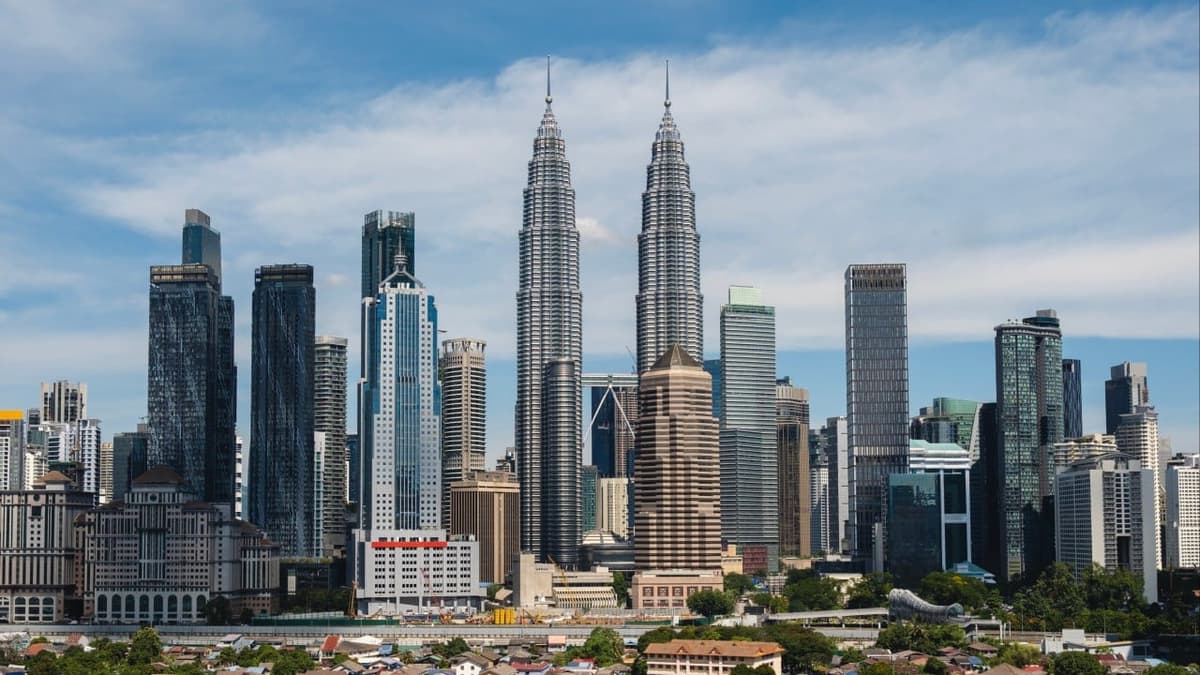
Rising Costs in Singapore Spur Business Migration as Regional Alternatives Rise
Companies Mentioned
Why It Matters
The migration underscores a regional cost‑competition shift that could reshape investment flows in Southeast Asia, boosting Malaysia’s job creation while pressuring Singapore to retain high‑value activities. It also raises policy challenges around talent supply and wage inequality in both markets.
Key Takeaways
- •Gardenia moves bakery production to Johor Bahru, cutting 141 Singapore jobs.
- •H&M shifts Southeast Asian HQ to Kuala Lumpur, affecting ~80 Singapore roles.
- •Malaysia's JS‑SEZ offers 5% tax for 15 years, targeting $26 bn annual boost.
- •Rising Singapore costs push labor‑intensive firms to Vietnam, Thailand, Malaysia.
- •Influx of Singapore firms may strain skilled labor, widening income inequality.
Pulse Analysis
Singapore’s once‑unassailable cost advantage is eroding as real‑estate, labor and regulatory expenses climb, prompting firms to reassess where they locate production and back‑office functions. Companies like Gardenia and H&M illustrate a broader trend: moving labor‑intensive or regional coordination roles to neighboring markets where wages and land are markedly cheaper. This shift is not merely a cost‑cutting exercise; it reflects a strategic realignment that preserves capital‑intensive, innovation‑driven activities in Singapore while offshoring scale‑driven operations.
Malaysia is positioning itself as the primary beneficiary of this migration. The Johor‑Singapore Special Economic Zone (JS‑SEZ) promises a 5% corporate tax rate for 15 years, alongside lower income taxes for knowledge workers, targeting a $26 billion annual contribution to the Malaysian economy by 2030. Coupled with abundant English‑speaking talent and supportive tax incentives, the SEZ lowers barriers for Singapore firms seeking a “twin‑operations” model. Meanwhile, Vietnam’s free‑trade agreements and Thailand’s Eastern Economic Corridor add competitive alternatives, expanding the regional palette for cost‑sensitive investors.
The influx of Singaporean enterprises, however, creates a double‑edged sword for Malaysia’s labor market. While job creation and foreign direct investment rise, heightened demand for skilled professionals could tighten supply, driving wage premiums and widening the gap between skilled and unskilled workers. Policymakers in both countries must balance attraction of high‑value investment with workforce development, reskilling programs, and safeguards against inequality. Singapore, on its side, will need to double down on high‑tech, AI, and advanced manufacturing to retain its status as a premier innovation hub amid the regional cost‑competition reshuffle.
Rising costs in Singapore spur business migration as regional alternatives rise
Comments
Want to join the conversation?
Loading comments...