Robert Kaplan: A U.S.-China War Would Be an Extinction-Level Event for Financial Markets
Why It Matters
A conflict between the United States and China could destabilize the world’s financial system, forcing investors and policymakers to confront unprecedented market volatility. Understanding this risk helps wealth managers and corporations prepare contingency strategies.
Key Takeaways
- •US-China conflict over Taiwan could trigger market collapse
- •Semiconductors and South China Sea are critical financial choke points
- •Kaplan urges consistent U.S. policy to avoid miscalculation
- •He predicts Iran's regime change will add skilled labor globally
- •Current leaders likely to retire within decade, reshaping geopolitics
Pulse Analysis
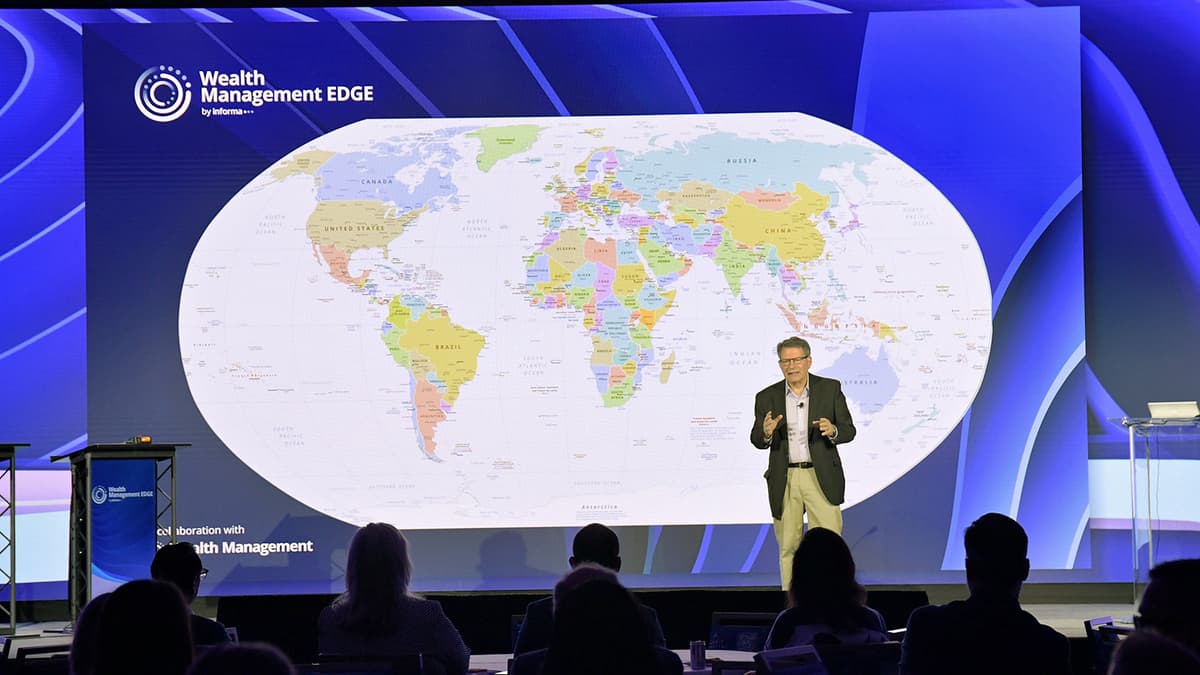
Kaplan’s remarks at the Wealth Management EDGE conference underscore a growing tension between geopolitical risk and market resilience. While investors have seen markets absorb shocks from the Ukraine war, the Gaza conflict and Iran’s volatility, a direct military clash over Taiwan would be fundamentally different. The region houses a disproportionate share of the world’s semiconductor manufacturing and serves as a conduit for maritime trade through the South China Sea. Disruption there could halt production lines, inflate component costs, and trigger a cascade of sell‑offs across asset classes, overwhelming even the Federal Reserve’s toolkit.
The former Atlantic reporter stresses that policy discipline is the first line of defense. He warns that ambiguous signals—such as former President Trump’s suggestion of using Taiwan as a bargaining chip—create room for miscalculation, reminiscent of the diplomatic errors that sparked World War I. A clear, consistent U.S. stance, whether hard or soft, reduces the likelihood that Beijing perceives a strategic opening. For wealth managers, this translates into heightened scrutiny of exposure to Taiwan‑linked equities and a need for scenario‑planning that incorporates geopolitical escalation.
Kaplan also offers a longer‑term, more optimistic lens. He anticipates that Iran’s internal pressures could eventually topple its regime, releasing a highly educated workforce into the global talent pool. Moreover, the current cohort of senior leaders in the U.S., China and Russia is aging, with many expected to exit within a decade. This generational shift could reshape diplomatic priorities and open pathways for new economic partnerships, providing a counterbalance to short‑term conflict risks. Investors should therefore balance immediate war‑risk hedging with a view toward emerging opportunities in a post‑transition world.
Robert Kaplan: A U.S.-China War Would Be an Extinction-Level Event for Financial Markets
Comments
Want to join the conversation?
Loading comments...