South Korea Inc Meets Modi; Cos Including Samsung & LG Looking to Expand in Key Market
Companies Mentioned
Why It Matters
The commitments signal a major boost to India’s high‑tech manufacturing base and accelerate the $50 bn trade target, reshaping supply chains in the Global South.
Key Takeaways
- •Samsung, LG, Hyundai pledge fresh Indian investments.
- •SK Hynix studies memory‑chip assembly plant in India.
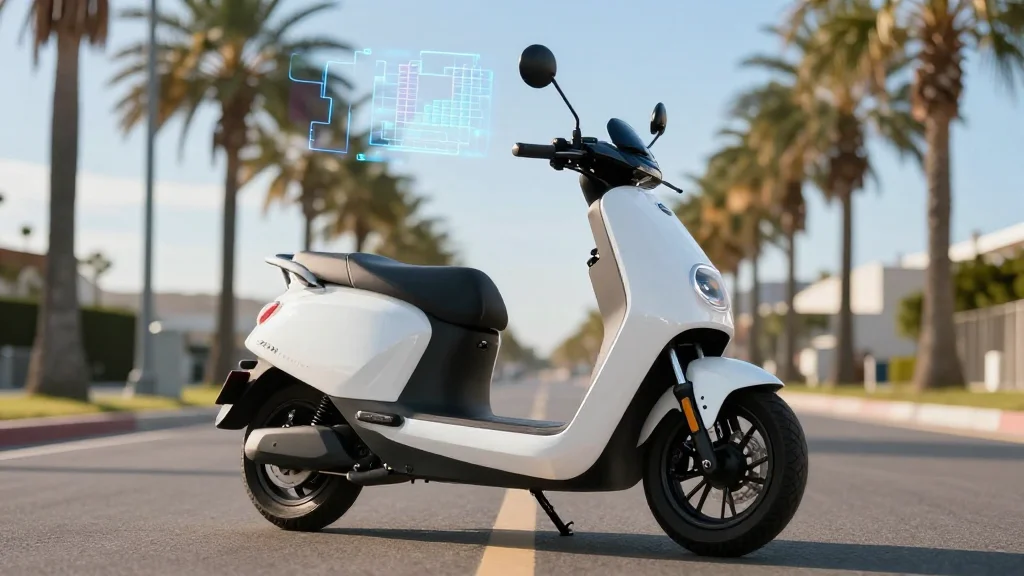
- •Hyundai partners with TVS to build electric urban mobility solutions.
- •India‑South Korea trade goal: $50 bn by 2030.
- •Chaebols eye AI, semiconductors, chemicals expansion in India.
Pulse Analysis
The latest high‑level visit by South Korea’s President and top chaebol leaders underscores a strategic pivot toward the Global South, with India at the forefront. After a decade‑long lull, the delegation of roughly 200 executives, including Samsung’s Lee Jae‑yong and LG’s Koo Kwang‑mo, used a state luncheon with Prime Minister Modi to cement a broader economic agenda. Their message was clear: India is no longer a peripheral market but a central hub for next‑generation technologies, from AI‑driven manufacturing to advanced semiconductor ecosystems.
Concrete projects emerged from the talks. SK Hynix is scouting sites for a memory‑chip assembly and testing plant, a move that could localize a critical segment of the global chip supply chain. Hyundai’s partnership with TVS Motor to co‑develop electric urban mobility solutions reflects a tailored approach to India’s burgeoning EV market, while LG signaled interest in expanding its chemicals and display‑module operations. Samsung, already operating a Noida smartphone factory, aims to boost exports, leveraging India’s cost‑effective labor and growing domestic demand. These initiatives collectively diversify the Korean presence beyond traditional automotive and consumer electronics.
The broader economic implications are significant. Bilateral trade, currently around $27 billion, is slated to reach $50 billion by 2030, driven by increased investment, technology transfer, and joint ventures. For India, the influx of Korean capital and expertise accelerates its Make in India objectives, enhances skill development, and strengthens its position in global value chains. For Korean firms, deeper Indian roots mitigate geopolitical risks and open new revenue streams, cementing a mutually beneficial partnership that could reshape the competitive landscape across semiconductors, renewable energy, and advanced manufacturing.
South Korea Inc meets Modi; Cos including Samsung & LG looking to expand in key market
Comments
Want to join the conversation?
Loading comments...