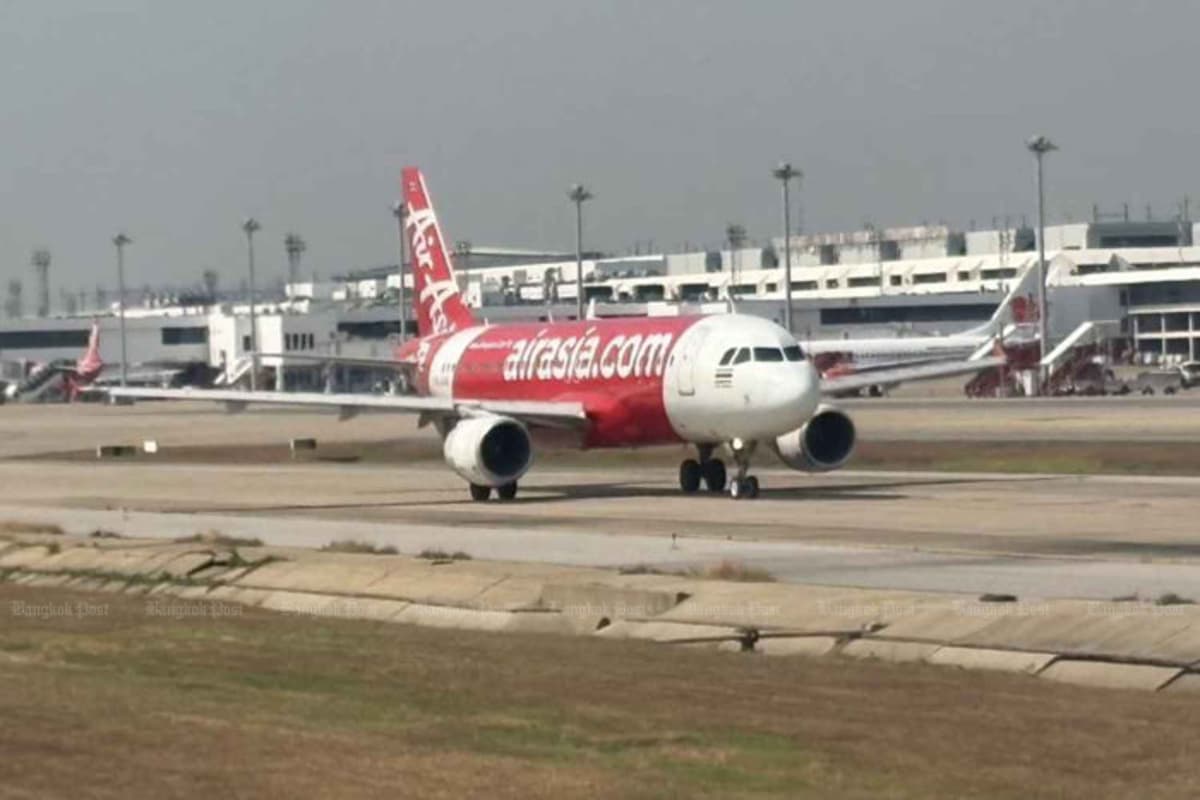
Thai AirAsia Pins Growth Hopes on China, Long-Haul Markets
•February 25, 2026
0
Companies Mentioned

Why It Matters
The plan signals a robust post‑COVID rebound for low‑cost carriers in Southeast Asia, leveraging Chinese tourism and long‑haul growth to reshape regional competition. It also highlights how Thai AirAsia is mitigating higher airport charges through network diversification and premium aircraft acquisition.
Key Takeaways
- •Target 6‑9% revenue growth by 2026.
- •Aim to carry 23.5 million passengers, 85% load factor.
- •Adding five A320s, opening China‑Chiang Mai route.
- •Expanding charter flights to Chinese cities during low season.
- •Planning long‑range A321neo arrivals for Middle East hub 2027.
Pulse Analysis
Thai AirAsia’s 2026 outlook reflects a broader revival of low‑cost carriers across Southeast Asia as travel demand rebounds from the pandemic. By banking on an optimistic tourism forecast—particularly from China, which accounts for a sizable share of inbound visitors—the airline expects passenger volumes to rise 11% year‑on‑year. The targeted 6‑9% revenue growth and a 20% EBITDA margin underscore a strategic shift from survival to profitable expansion, positioning Thai AirAsia to capture higher‑yield routes while maintaining its dominant domestic market share.
Operationally, the carrier is bolstering its fleet with five additional Airbus A320s, enabling new direct services from China to Chiang Mai and expanding fifth‑freedom connections such as Vientiane‑Hanoi. The introduction of charter flights to secondary Chinese cities during the low season diversifies revenue streams and reduces reliance on scheduled traffic. Despite a higher international passenger service charge at Thai airports, Thai AirAsia expects the increase to be absorbed in fares without deterring foreign tourists, while it will intensify domestic demand‑stimulating campaigns to offset potential price sensitivity among Thai travelers.
Looking ahead, the five‑year AirAsia Group plan allocates up to 30% of its 354‑aircraft order book to Thai AirAsia, including A321neo, A321LR, and A321XLR models slated for delivery by 2027‑28. These long‑range aircraft will support a strategic hub in Bahrain, linking Southeast Asia to Europe and the Middle East. This fleet modernization not only enhances route flexibility but also raises competitive stakes against regional rivals, signaling Thai AirAsia’s ambition to evolve from a pure short‑haul carrier into a broader network player.
Thai AirAsia pins growth hopes on China, long-haul markets
0
Comments
Want to join the conversation?
Loading comments...