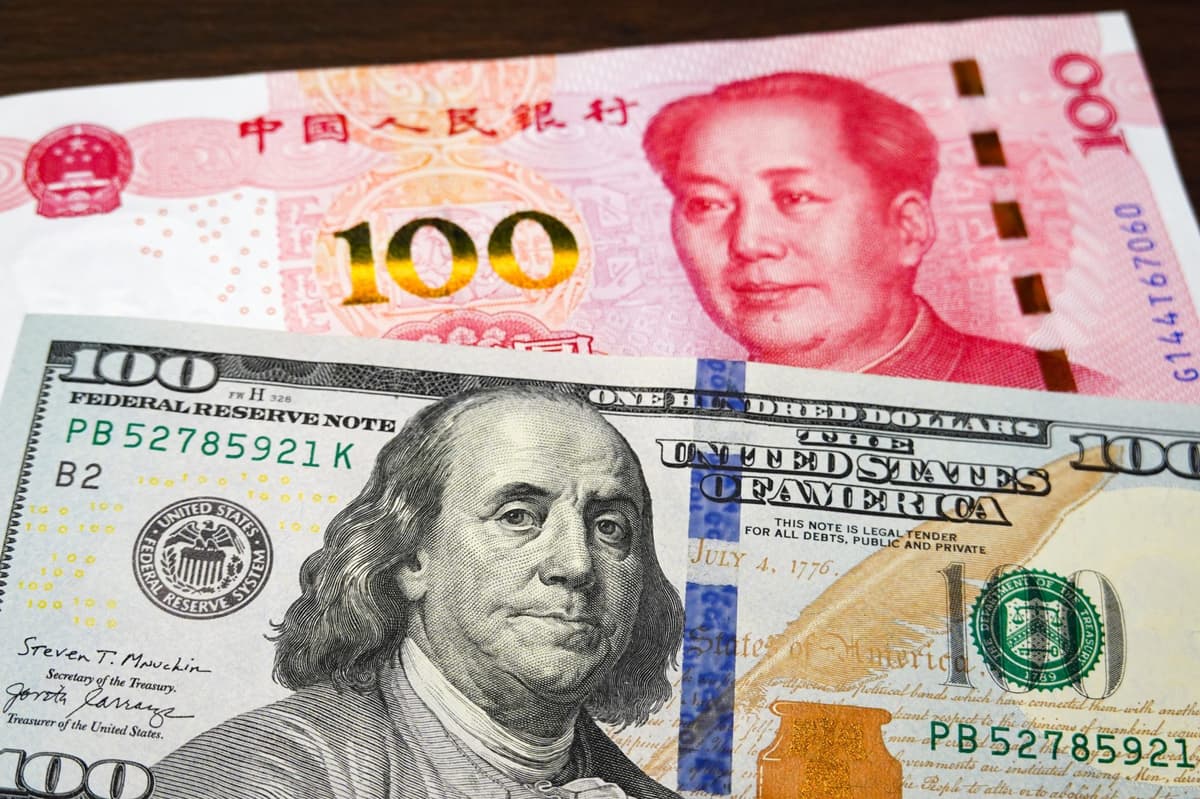
The Petrodollar Faces Increased Risk, but a Petroyuan Is ‘Far-Fetched’ as Fears of U.S. Losing Superpower Status Are Overhyped, Strategist Says
Why It Matters
The analysis underscores how regional conflicts can test but not easily overturn the dollar’s supremacy in global energy markets, affecting investors, policymakers, and multinational corporations.
Key Takeaways
- •Iran controls Strait of Hormuz, allowing limited yuan‑paid shipments.
- •Alamariu says petroyuan scenario remains unlikely despite heightened tensions.
- •GCC likely to tighten ties with US, resisting Iranian de‑dollarization.
- •Dollar's market depth and reserve share keep it entrenched globally.
- •Stablecoins used in tolls are effectively dollar‑denominated instruments.
Pulse Analysis
The Strait of Hormuz remains a chokepoint for world oil flows, and Iran’s decision to accept yuan or cryptocurrency for limited transits has sparked speculation about a shift away from the dollar. While the move introduces a modest foothold for China’s currency, the volume is too small to destabilize the petrodollar framework. Analysts point out that any meaningful erosion would require coordinated policy changes across oil‑exporting nations, something that current geopolitical realities do not support.
China’s ambition to promote a petroyuan faces structural headwinds. The Gulf Cooperation Council, which supplies a large share of global oil, views Beijing’s proximity to Tehran with suspicion and values the security guarantees that the United States provides. Even as Iran experiments with yuan‑denominated tolls, most of those transactions rely on stablecoins that are pegged to the dollar, limiting any real currency diversification. Moreover, the GCC’s ongoing pipeline projects aim to bypass the Strait altogether, further reducing Iran’s leverage.
Beyond the immediate conflict, the U.S. dollar’s dominance rests on deep, liquid financial markets, a vast network of reserve holdings, and the ability to move capital across borders with minimal friction. These network effects create a self‑reinforcing cycle that deters large‑scale migration to alternative currencies. While short‑term geopolitical shocks may introduce temporary volatility, the fundamental economic infrastructure supporting the dollar suggests that any transition to a petroyuan or petroeuro remains a distant prospect.
The petrodollar faces increased risk, but a petroyuan is ‘far-fetched’ as fears of U.S. losing superpower status are overhyped, strategist says
Comments
Want to join the conversation?
Loading comments...