The Pivot: Unlocking the Central African Republic’s Substantial Resource Frontier
•February 13, 2026
0
Why It Matters
The development turns CAR into a strategic frontier market for high‑grade iron, diversifying global steel supply and attracting sizable foreign investment.
Key Takeaways
- •20 bn tonnes of 65%+ Fe iron ore confirmed
- •President Touadéra re‑elected 2025, securing seven‑year mandate
- •IMF projects 3.3% GDP growth, debt falling to 47%
- •China partners on rail, port link to Kribi, 1,400 km
- •Stable security via UN, Rwanda forces, peace accords
Pulse Analysis
The Central African Republic is shedding its image as a perpetual conflict zone, thanks to a newly validated iron ore megaproject. The Bangui Anomaly, long a geophysical curiosity, now hosts an estimated 20 billion tonnes of surface‑grade iron with a reported in‑situ value of $2.5 trillion. Independent technical verification bridges the gap between satellite data and commercial feasibility, positioning the deposit among the world’s largest high‑purity iron resources and offering a rare, bankable asset in a historically under‑explored region.
Political risk, the traditional barrier to African mining, has receded following President Faustin‑Archange Touadéra’s decisive 2025 re‑election and the dissolution of major armed groups. The IMF and World Bank now project 3.3% real GDP growth for 2026 and a debt‑to‑GDP ratio dropping from 61% to 47% by 2027, creating fiscal space for public‑private infrastructure partnerships. This stability, combined with digitised tax collection, lowers sovereign default concerns and signals a more predictable investment climate for multinational miners and financiers.
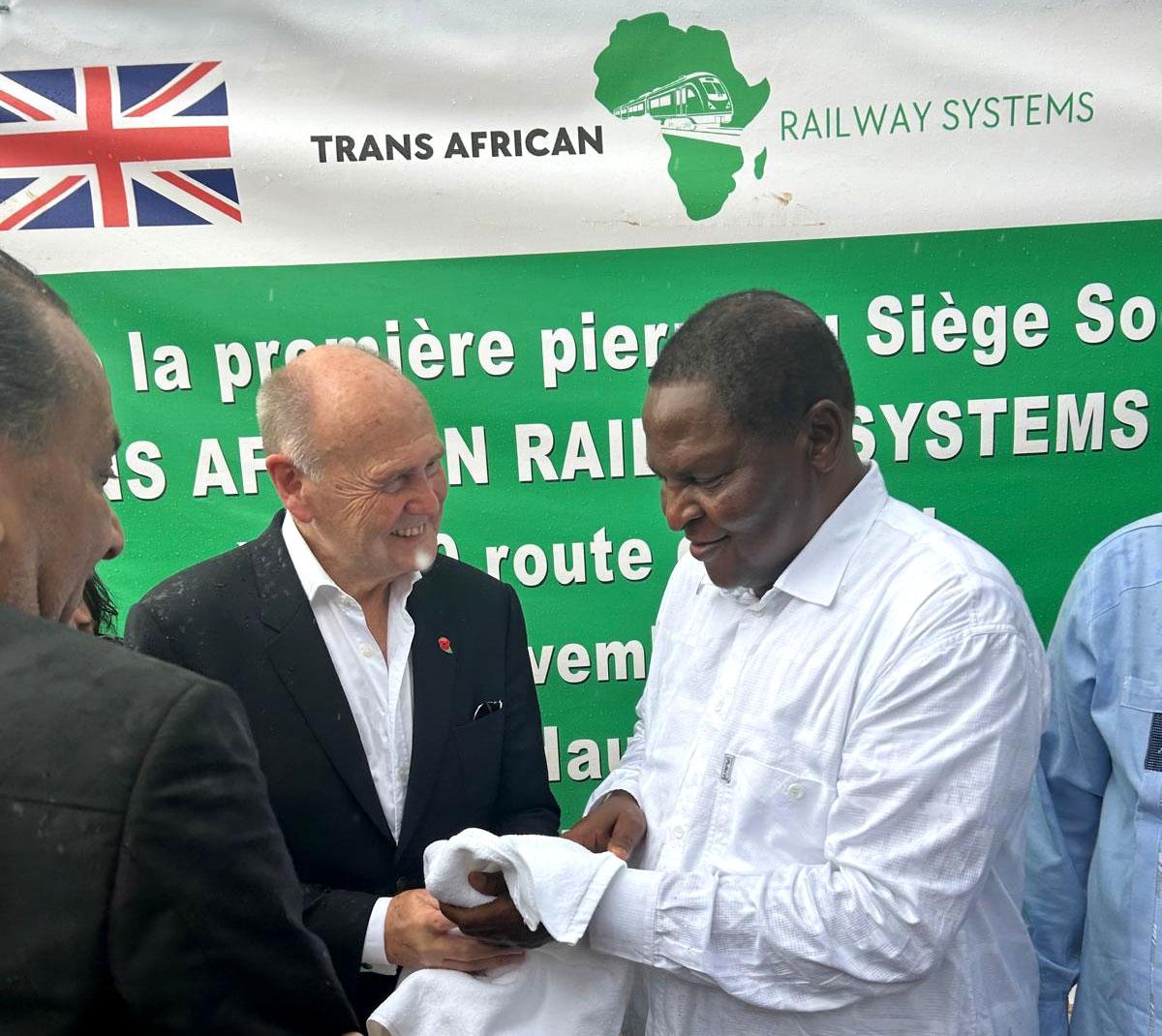
Infrastructure is the linchpin of the project’s commercial viability. A 1,400‑kilometre Bangui‑Kribi railway, funded by a coalition of Chinese state‑owned enterprises and A&S Resources, will connect the ore body to a deep‑water port, mitigating the landlocked penalty that has long hampered CAR’s trade. The partnership aligns with China’s “green steel” agenda, seeking high‑grade feedstock to cut emissions. As global steelmakers chase lower‑carbon inputs, CAR’s iron axis could become a cornerstone of diversified supply chains, attracting further capital and reshaping the continent’s mining landscape.
The Pivot: Unlocking the Central African Republic’s Substantial Resource Frontier
0
Comments
Want to join the conversation?
Loading comments...