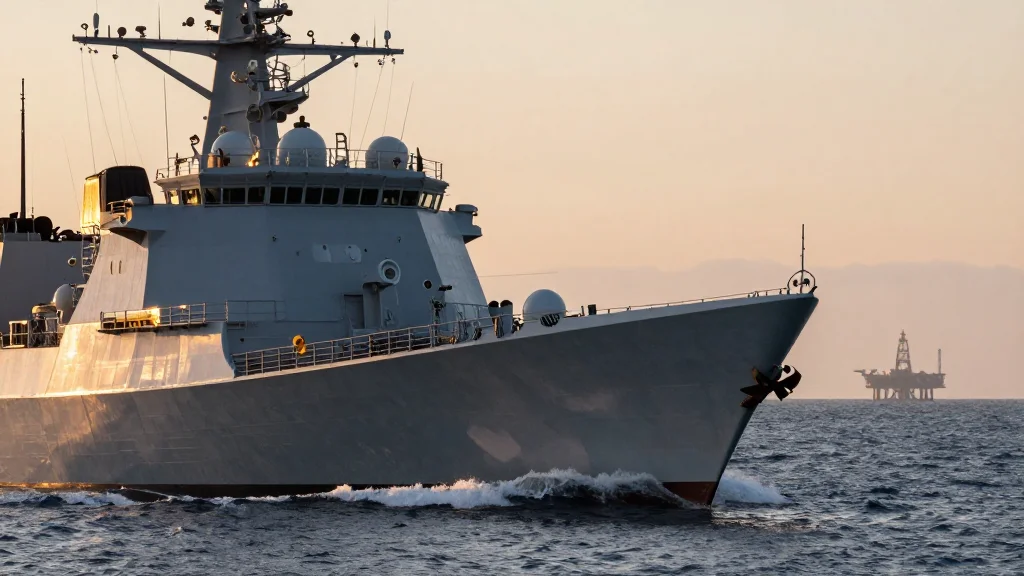
Trump Cancels Envoys to Islamabad, Halting Iran Talks Amid Blockade

Companies Mentioned
Why It Matters
The cancellation of the Islamabad envoy mission highlights how diplomatic dead‑ends can amplify economic warfare in emerging markets. Iran’s $400 million‑a‑day loss from the blockade threatens to destabilize its already fragile economy, while higher oil prices strain import‑dependent nations like Pakistan and India. Prolonged disruption of the Strait of Hormuz could force emerging‑market central banks to tighten monetary policy, feeding inflationary cycles that undermine growth forecasts for the region. Moreover, the episode exposes the limits of Pakistan’s mediation credibility. If Islamabad cannot secure a credible bridge between Washington and Tehran, it risks being sidelined in future regional security architectures, reducing its strategic leverage and foreign‑direct investment prospects. The outcome will shape not only geopolitical alignments but also the flow of capital into emerging‑market equities and debt tied to energy and trade.
Key Takeaways
- •President Trump cancels U.S. envoy trip to Islamabad, halting a second round of Iran talks
- •U.S. naval blockade on Iranian ports estimated to cost Tehran $400 million daily
- •Brent crude stays above $100 per barrel, raising import costs for emerging‑market economies
- •Pakistan’s mediator role questioned as Tehran accuses Islamabad of a "double game"
- •Vice President JD Vance on standby for potential talks; mine‑clearing operations continue in the Strait of Hormuz
Pulse Analysis
The abrupt termination of the Islamabad envoy mission signals a strategic recalibration by the Trump administration. By pulling back its senior negotiators, Washington is effectively leveraging its naval dominance to extract concessions, betting that Iran’s economic pain points—chiefly the blockade’s daily $400 million hit—will outweigh Tehran’s willingness to negotiate. This hard‑line posture mirrors a broader trend among major powers: using economic levers to force diplomatic outcomes when conventional talks stall.
For emerging markets, the stakes are acute. The Strait of Hormuz remains a chokepoint for roughly 20% of global oil trade; any prolonged closure forces import‑dependent economies to absorb higher energy costs, eroding real incomes and prompting central banks to tighten policy. Pakistan, already grappling with a current‑account deficit and inflation above 15%, faces a double bind: it must balance its strategic partnership with the United States against the risk of alienating a powerful neighbor. The loss of credibility as a neutral broker could diminish Islamabad’s leverage in future regional initiatives, limiting its access to foreign investment and security guarantees.
Looking ahead, the conflict’s trajectory will hinge on three variables: Iran’s willingness to concede on its nuclear and missile programs, the durability of the U.S. blockade, and the ability of third‑party mediators—whether Pakistan, the EU, or the Gulf states—to propose a viable, mutually acceptable framework. If the blockade persists without a diplomatic breakthrough, we could see a sharp uptick in oil‑price volatility, further destabilizing emerging‑market currencies and debt markets. Conversely, a rapid de‑escalation, perhaps spurred by a revised U.S. offer or a shift in Iranian leadership calculations, could restore some market confidence and open a narrow window for investment inflows into the region.
Trump Cancels Envoys to Islamabad, Halting Iran Talks Amid Blockade
Comments
Want to join the conversation?
Loading comments...