Trump Doubts Iran's New 14‑point Peace Proposal as Tehran Seeks De‑escalation

Why It Matters
The standoff between the United States and Iran sits at the nexus of geopolitics and global energy markets. A successful de‑escalation could restore confidence in the Strait of Hormuz, stabilizing oil prices and supporting growth in emerging economies that depend on cheap energy, from Indonesia to Nigeria. Conversely, a breakdown could trigger a sharp price spike, eroding foreign‑exchange reserves and inflating inflation in vulnerable markets. Beyond oil, the negotiation framework signals how emerging‑market states might leverage diplomatic channels to separate economic relief from security concessions. Iran’s attempt to decouple maritime trade from nuclear talks could set a precedent for other sanctioned economies seeking phased reintegration into the global financial system.
Key Takeaways
- •President Trump announced he will review Iran's 14‑point peace proposal but doubts its acceptability.
- •Iran's plan separates immediate Gulf de‑escalation from nuclear negotiations and seeks sanctions relief.
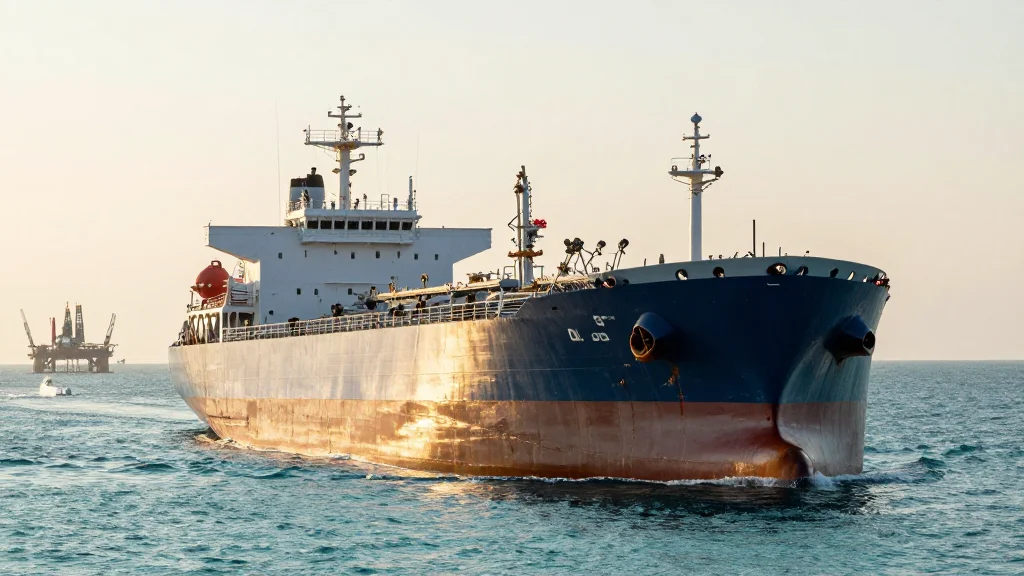
- •An Iranian VLCC delivered 1.9 million barrels of crude (~$220 million) to Asia‑Pacific, bypassing the U.S. blockade.
- •Strait of Hormuz handles roughly 20% of world oil; any disruption could push global oil prices higher.
- •Emerging‑market economies reliant on oil imports face heightened currency and inflation risks amid the talks.
Pulse Analysis
The Trump administration’s public dismissal of Iran’s latest overture reflects a broader strategic calculus: maintaining leverage over Tehran while signaling to domestic constituencies that the U.S. will not concede without concrete security guarantees. This posture, however, runs the risk of prolonging a stalemate that already costs the global oil market billions in volatility. The Iranian supertanker’s successful breach of the U.S. blockade demonstrates Tehran’s capacity to circumvent pressure points, a factor that may embolden its negotiating stance.
For emerging markets, the stakes are twofold. First, oil‑importing nations watch the Strait of Hormuz like a barometer; any perceived threat to its openness can trigger capital outflows, weaken local currencies, and raise borrowing costs. Second, the negotiation’s structure—phased de‑escalation before nuclear concessions—offers a template for other sanctioned economies seeking incremental relief. If Iran can secure trade benefits while keeping nuclear talks at arm’s length, it could inspire similar approaches in places like Venezuela or Myanmar, reshaping how sanctions are applied and lifted.
Looking ahead, the next diplomatic window, likely mediated by Pakistan, will test whether both sides can translate rhetoric into actionable steps. A modest confidence‑building measure—such as a limited reopening of the Hormuz corridor—could lower oil premiums and provide a foothold for broader talks. Failure, however, would keep the region in a “no war, no peace” limbo, perpetuating uncertainty for investors and policymakers across the emerging‑market spectrum.
Trump doubts Iran's new 14‑point peace proposal as Tehran seeks de‑escalation
Comments
Want to join the conversation?
Loading comments...