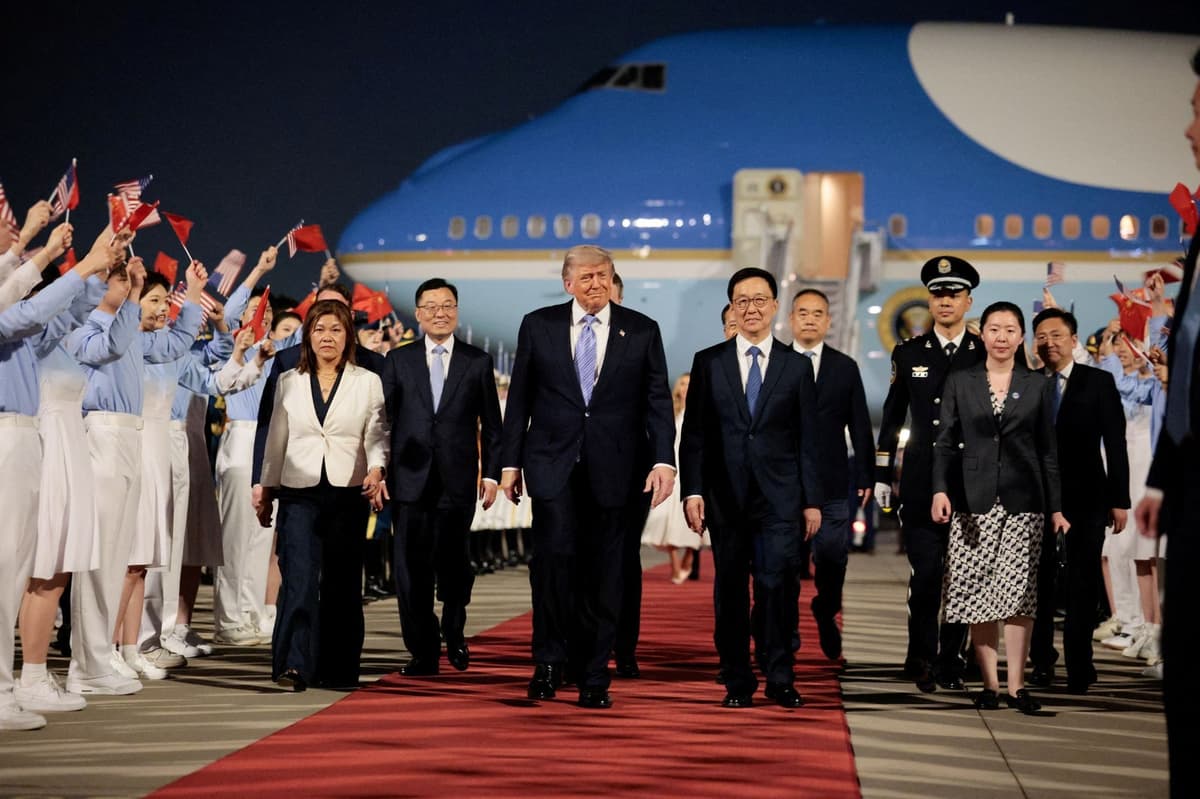
Trump Faces High-Stakes Meeting with Xi
Why It Matters
The talks could reshape U.S. manufacturing supply chains and influence geopolitical leverage amid rising U.S.–China tensions. A deal—or its rejection—will signal how Washington balances economic openness with national security concerns.
Key Takeaways
- •Trump seeks Chinese investment amid Iran conflict
- •US officials wary of Chinese EV manufacturing in America
- •Commerce secretary previously rejected Chinese auto sector proposals
- •Critics label potential deals as economic Trojan horses
Pulse Analysis
The Trump‑Xi summit arrives at a crossroads of geopolitics and trade. With the Iran conflict escalating, both Washington and Beijing are under pressure to demonstrate diplomatic progress, yet each side remains cautious about ceding strategic advantage. Trump's delegation, bolstered by top CEOs, signals a willingness to entertain Chinese capital, but the broader narrative is one of calculated risk‑taking as the U.S. seeks to maintain its global leadership while avoiding entanglement in Beijing’s long‑term strategic objectives.
At the heart of the investment debate lies the electric‑vehicle sector, a fast‑growing arena where China already commands a dominant market share. American automakers fear that Chinese direct investment could accelerate the influx of low‑cost EV components, undermining domestic production and eroding jobs. Commerce Secretary Gina Lutnick’s recent dismissal of similar proposals underscores a bipartisan wariness of allowing Beijing to embed itself in critical supply chains. Industry analysts warn that even seemingly benign capital inflows may grant China access to proprietary technology and data, effectively turning factories into intelligence‑gathering outposts.
The outcome of the meeting will reverberate beyond the immediate deal pipeline. A green light for Chinese investment could spur a wave of manufacturing revitalization, but it may also compel Washington to tighten export controls and tighten scrutiny of foreign ownership. Conversely, a hard‑line stance could push Chinese firms toward alternative markets, reshaping global EV dynamics. Stakeholders across finance, policy, and industry will be watching closely, as the summit will set the tone for U.S.–China economic engagement in a world where strategic competition increasingly defines trade policy.
Trump faces high-stakes meeting with Xi
Comments
Want to join the conversation?
Loading comments...