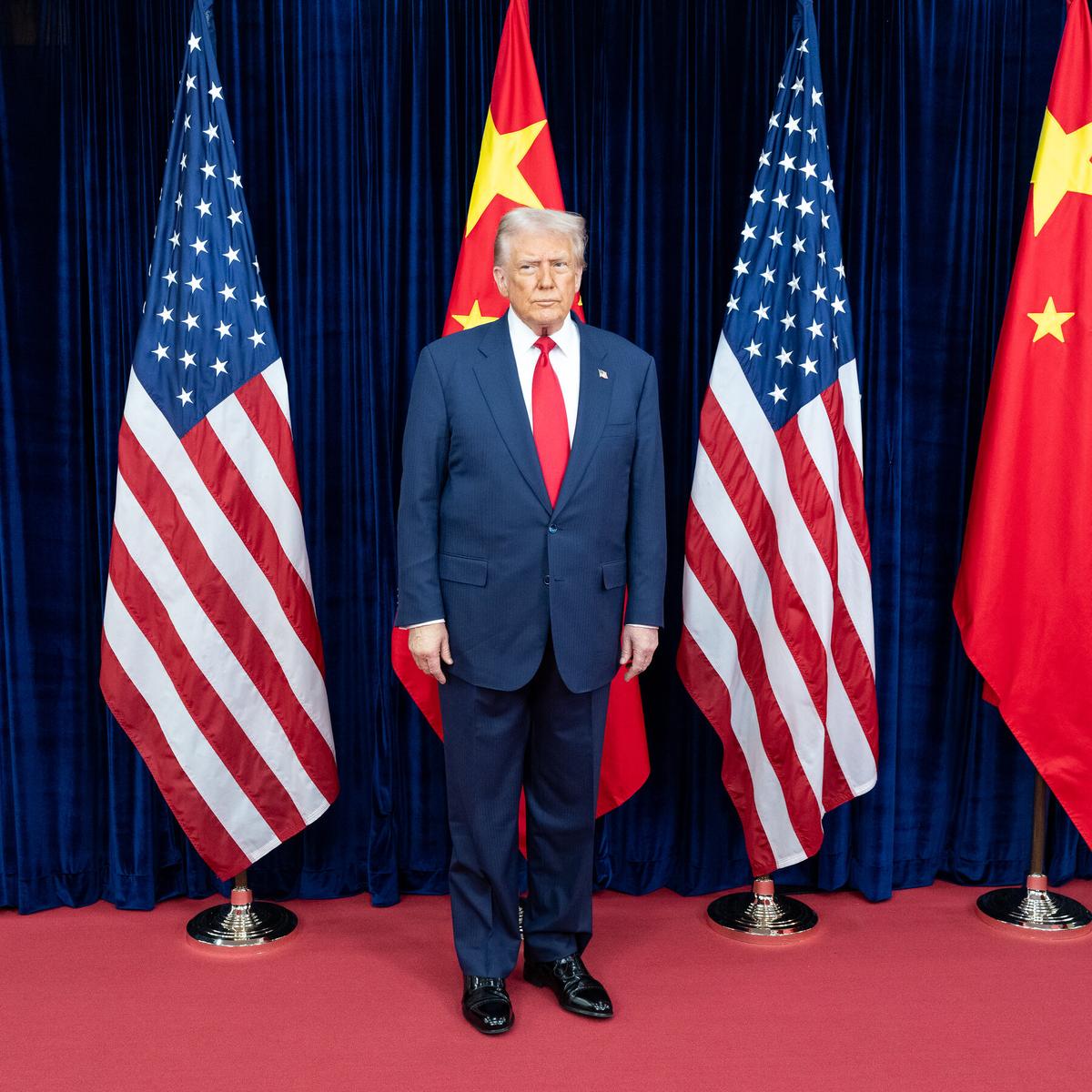
Trump’s Shrinking Ambitions on China
Why It Matters
The pivot signals a less confrontational U.S.–China trade dynamic, affecting global supply chains and export markets, while raising concerns for allies facing comparable tariffs.
Key Takeaways
- •Trump’s promised 60% China tariff softened to broader levies.
- •U.S. now targets export growth in aircraft, agriculture, ethanol.
- •Europe and Canada face near‑equal punitive tariffs.
- •China cut rare‑earth exports, prompting policy recalibration.
- •Upcoming Trump‑Xi summit expected to focus on trade stability.
Pulse Analysis
During the 2024 election cycle, former President Donald Trump built his platform on a confrontational China strategy, promising tariffs that would eclipse any previous U.S. measures. The hallmark of that vision was a 60‑percent duty on Chinese imports and the removal of the preferential treatment China received when it entered the World Trade Organization in 2001. Such rhetoric resonated with voters concerned about trade deficits and intellectual‑property theft, positioning China as the primary economic adversary. However, the practical implementation of those tariffs required coordination with Congress, industry stakeholders, and a delicate balance with other trading partners.
The reality that emerged in the first year of Trump's renewed administration diverged sharply from the campaign promise. While cumulative U.S. tariffs on Chinese goods rose when the 2018‑19 measures were combined with new levies, the administration also imposed comparable duties on European Union and Canadian products, effectively diluting the singular focus on Beijing. Beijing’s retaliatory embargo on rare‑earth minerals and high‑performance magnets—critical inputs for automotive, defense and power‑tool manufacturers—exposed the vulnerability of U.S. supply chains. Consequently, policymakers redirected attention toward securing export markets for aircraft, ethanol, soybeans, beef and sorghum, seeking a more reciprocal trade balance.
The upcoming summit in Beijing, the first face‑to‑face meeting between Trump and Xi since the 2020 trade war, is expected to prioritize stability over structural overhaul. Analysts anticipate discussions centered on easing rare‑earth restrictions, expanding agricultural sales, and establishing mechanisms for dispute resolution. For U.S. allies, the broadened tariff regime raises concerns about competitive disadvantages, prompting calls for coordinated responses within the Trans‑Atlantic Trade and Investment Partnership framework. Ultimately, the softened stance may temper immediate geopolitical tensions but also signals a pragmatic shift toward protecting domestic industries while maintaining a functional, if uneasy, economic relationship with China.
Trump’s Shrinking Ambitions on China
Comments
Want to join the conversation?
Loading comments...