Trump’s Tariffs Are Back – and the Timing Couldn’t Be Worse for Asia
Companies Mentioned
Why It Matters
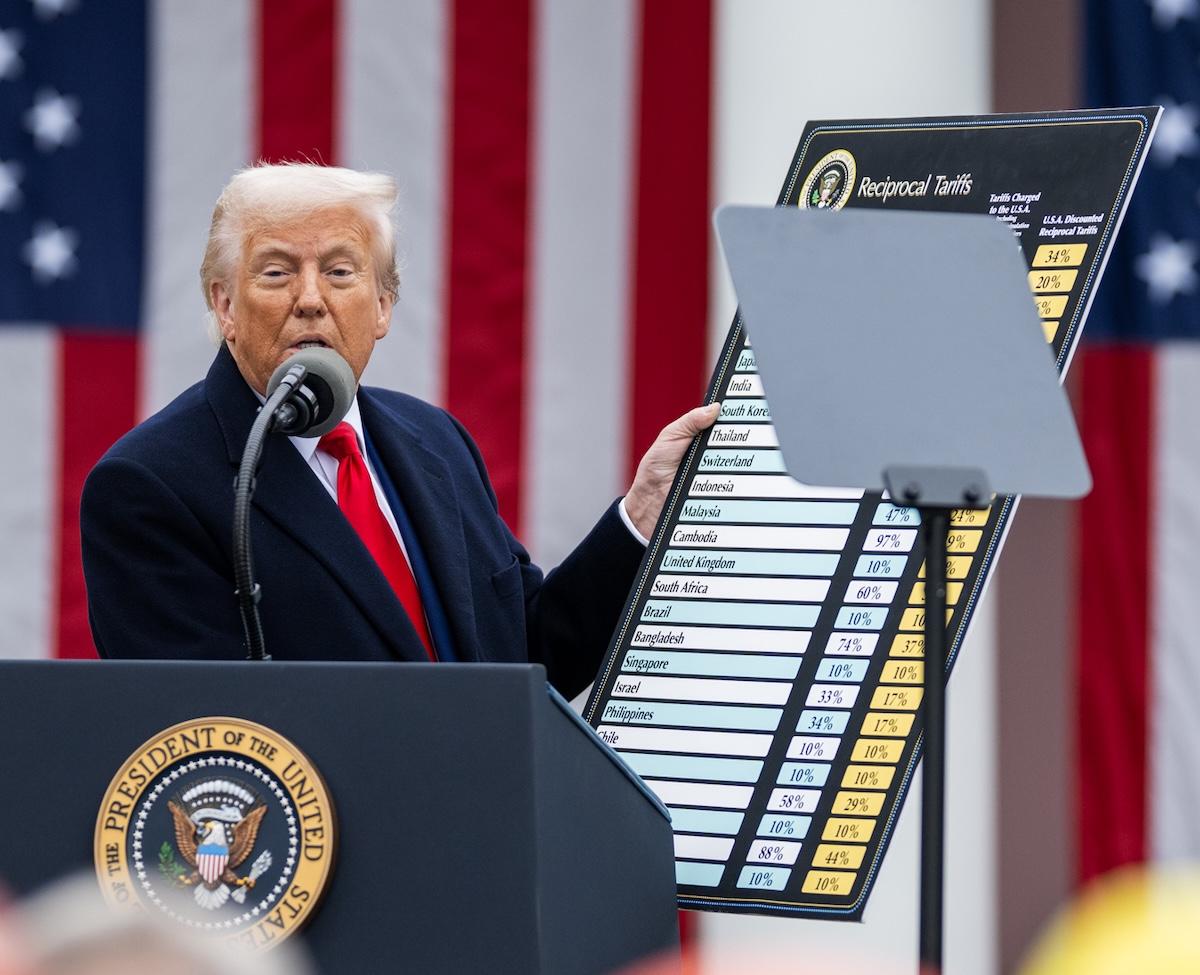
The tariffs raise import costs for Asian exporters, intensify currency volatility, and risk destabilizing existing trade agreements, creating headline risk for investors and policymakers alike.
Key Takeaways
- •Trump re‑imposes 10% tariffs on 60 nations via Section 301.
- •Tariffs target forced‑labor concerns, with China as primary focus.
- •Asian currencies already weakening; tariffs add supply‑chain compliance risk.
- •Potential tariff stacking could raise EU‑Japan duties by $13 bn annually.
- •Investor sentiment faces heightened headline risk amid volatile Asian markets.
Pulse Analysis
The latest wave of U.S. tariffs marks a strategic shift from courtroom battles to legislative maneuvering. By invoking Section 301, the Trump administration sidesteps the Supreme Court’s recent ruling that struck down the so‑called “Liberation Day” tariffs. The forced‑labor narrative provides political cover, but the broad 10% levy across 60 economies—many of which are key Asian trading partners—creates a blanket shock to import‑dependent sectors ranging from electronics to agricultural inputs. This approach also signals a willingness to layer new duties on top of existing most‑favoured‑nation rates, potentially inflating revenue streams by tens of billions of dollars.
For Asian markets, the timing could be catastrophic. The region is already wrestling with a currency rout triggered by the Iran conflict, with the yen, rupiah and rupee all under severe pressure. Higher import duties compound cost‑push inflation, especially for oil‑intensive economies like Japan that import 95% of its crude. Supply‑chain managers now face a dual challenge: navigating volatile exchange rates while ensuring compliance with a sprawling investigatory framework that treats allies and rivals alike. The prospect of tariff stacking threatens to erode thin profit margins and could force firms to re‑locate production or absorb costs, further straining corporate earnings.
Geopolitically, the tariffs risk unraveling delicate trade arrangements forged over the past decade. The EU, Japan and South Korea have negotiated caps on tariff levels; exceeding those caps could trigger retaliatory measures and jeopardize the $34 billion annual revenue the U.S. anticipates from EU imports alone. Moreover, domestic political pressure from MAGA voters wary of higher grocery prices adds another layer of uncertainty for the administration. Investors are therefore bracing for heightened headline risk, as the convergence of trade policy, currency weakness, and inflationary pressures could reshape capital flows throughout Asia for the remainder of 2026.
Trump’s tariffs are back – and the timing couldn’t be worse for Asia
Comments
Want to join the conversation?
Loading comments...