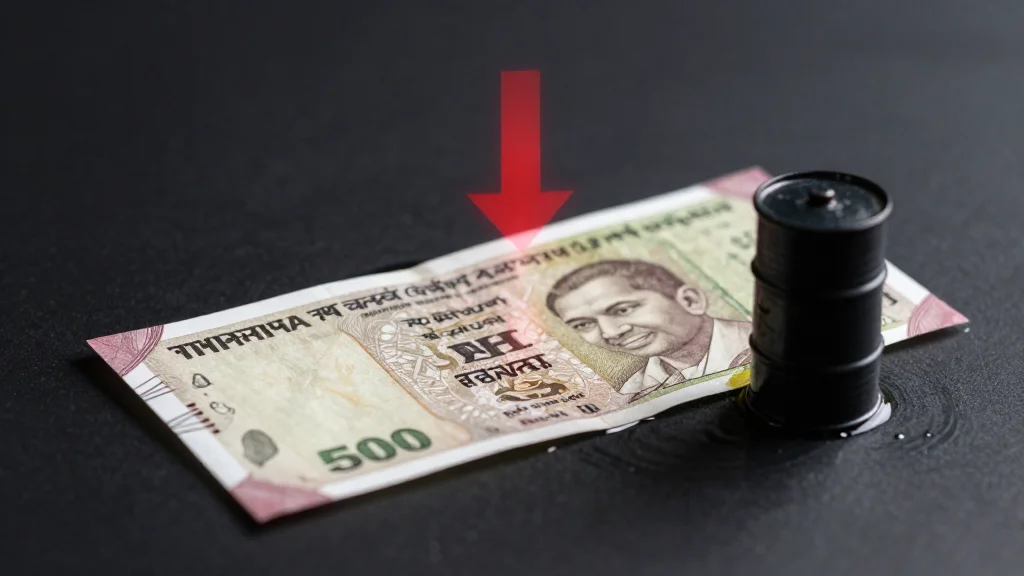
UAE Leaves OPEC, Redrawing Oil‑Market Power and West Asia Security

Companies Mentioned
Why It Matters
The UAE’s exit from OPEC disrupts a decades‑old mechanism that has helped smooth oil price fluctuations, a cornerstone of fiscal stability for many emerging economies. Unpredictable oil revenues can exacerbate debt servicing challenges, fuel inflationary pressures, and limit the fiscal space needed for social spending in oil‑dependent nations. Moreover, the Gulf’s security architecture is closely tied to oil income; a shift toward competitive production could reshape power balances, influencing everything from defense budgets to diplomatic leverage in regional conflicts. For investors, the move signals a potential increase in price volatility that could affect commodity markets, sovereign bond yields and currency valuations across the emerging market spectrum. Policymakers will need to consider contingency plans—such as diversifying revenue streams or building larger sovereign wealth fund buffers—to mitigate the risk of sudden price swings that could destabilise economies still transitioning away from oil dependence.
Key Takeaways
- •UAE formally exits OPEC and OPEC+, ending quota obligations.
- •The departure grants Abu Dhabi freedom to increase output at will.
- •Saudi Arabia faces a strategic choice between price defence and market share protection.
- •Emerging economies reliant on stable oil prices may confront higher fiscal volatility.
- •Regional security dynamics could shift as oil revenue underpins defence spending.
Pulse Analysis
The UAE’s break with OPEC marks a watershed in Gulf oil politics, but the real impact will be measured by how quickly the market internalises the loss of collective discipline. Historically, OPEC’s strength lay in its ability to present a united front, smoothing out the boom‑bust cycles that can destabilise oil‑dependent economies. By shedding that constraint, Abu Dhabi is betting on its diversified fiscal base and its capacity to capture market share in a world where demand growth is slowing and renewable energy is gaining ground. This gamble could pay off if the emirate secures long‑term contracts with Asian refiners, but it also introduces a new source of uncertainty for investors tracking emerging market sovereign risk.
Saudi Arabia’s response will be the litmus test for the future of the Gulf’s oil coordination. If Riyadh doubles down on output cuts to prop up prices, it may preserve short‑term fiscal stability but risk losing market share to a more aggressive UAE. Conversely, if it matches the UAE’s flexibility, the region could see a price war that depresses revenues across the board, pressuring fiscal balances in countries like Nigeria and Angola that lack diversified economies. The outcome will likely dictate whether OPEC evolves into a looser forum of strategic allies or dissolves into a set of competing national champions.
For emerging markets, the lesson is clear: reliance on oil price stability as a fiscal anchor is increasingly precarious. Nations must accelerate diversification, bolster sovereign wealth funds and explore hedging mechanisms to cushion against the heightened volatility that the UAE’s move portends. The next few quarters will reveal whether the Gulf can manage this new competitive dynamic without triggering a broader shock to global energy markets.
UAE Leaves OPEC, Redrawing Oil‑Market Power and West Asia Security
Comments
Want to join the conversation?
Loading comments...