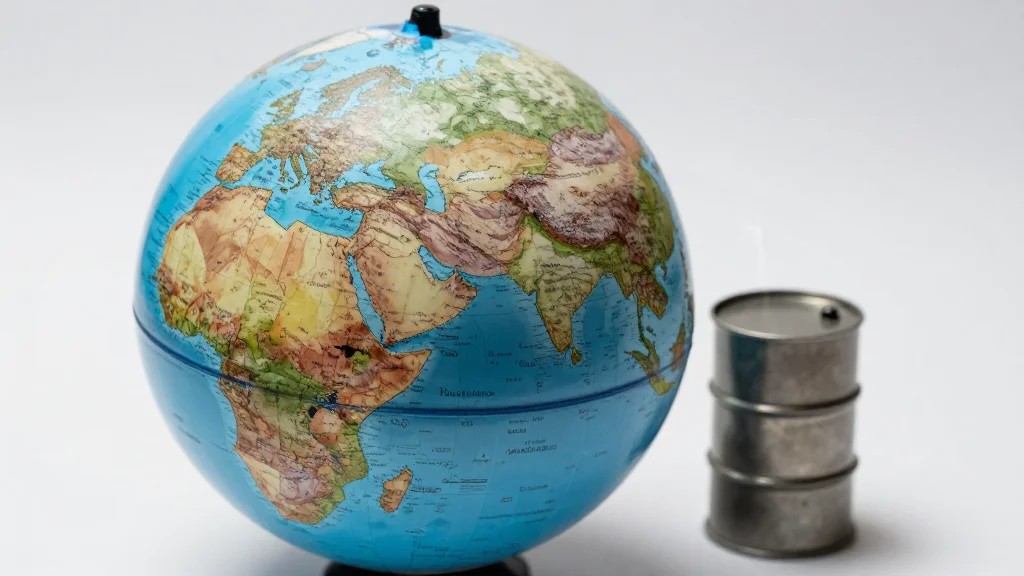
UN and IMF Cut 2026 Global Growth Forecasts to 2.5% and 3.1% Amid Middle East War

Why It Matters
The joint downgrade by the UN and IMF underscores how geopolitical shocks in a single region can reverberate across the entire global economy, especially for emerging markets that depend heavily on imported energy and food. Higher oil and fertilizer prices translate into rising inflation, eroding real wages and increasing fiscal pressures on governments already coping with debt burdens. A prolonged slowdown could trigger capital outflows, weaken currencies and spark social unrest in vulnerable economies, potentially destabilizing regional political landscapes. For investors and multinational corporations, the revised forecasts signal a shift in risk assessment. Asset allocations may tilt toward more defensive sectors, while companies with exposure to Middle East supply chains will need to reassess cost structures and pricing strategies. Development banks and multilateral lenders may also recalibrate loan terms, emphasizing resilience measures such as renewable‑energy investments and diversified supply‑chain solutions to mitigate future shocks.
Key Takeaways
- •UN cuts 2026 global growth forecast to 2.5%, down from 2.7% in January.
- •IMF lowers its 2026 projection to 3.1%, revising inflation to 4.4%.
- •Western Asia’s growth forecast slashed from 4.1% to 1.4% for 2026.
- •Shipping through the Strait of Hormuz fell to ~10 vessels/day, a 92% drop.
- •Emerging markets expected to grow 1.3 percentage points slower than pre‑pandemic average.
Pulse Analysis
The synchronized downgrade by the UN and IMF is more than a statistical adjustment; it reflects a structural vulnerability in the global economy that has been exposed by the Middle East conflict. Historically, supply‑side shocks—whether oil crises of the 1970s or the COVID‑19 pandemic—have forced a re‑pricing of risk, but the current scenario is unique in its concentration of energy, food and financial market disruptions within a narrow geographic corridor. The rapid decline in Hormuz traffic illustrates how a single chokepoint can amplify price volatility, a dynamic that emerging markets feel acutely because many lack domestic energy reserves.
From a policy perspective, the forecasts push central banks toward a tighter monetary stance at a time when growth is already fragile. For emerging economies, this creates a classic “policy trilemma”: they must choose between defending their currency, containing inflation, or supporting growth. The IMF’s higher inflation projection suggests that many will prioritize price stability, potentially at the expense of growth, which could deepen debt‑service challenges. In response, we may see a wave of sovereign debt restructurings or increased reliance on multilateral financing, especially in sub‑Saharan Africa and South Asia.
Investors should recalibrate exposure to regions and sectors most sensitive to energy price swings. Companies with diversified energy sourcing or those that have accelerated renewable‑energy transitions will likely outperform peers still tied to fossil‑fuel inputs. Likewise, firms operating in food‑intensive supply chains should brace for margin pressure. The broader lesson is clear: geopolitical risk management must become a core component of both macro‑economic policy and corporate strategy if the global system is to weather future shocks without cascading into a prolonged downturn.
UN and IMF Cut 2026 Global Growth Forecasts to 2.5% and 3.1% Amid Middle East War
Comments
Want to join the conversation?
Loading comments...