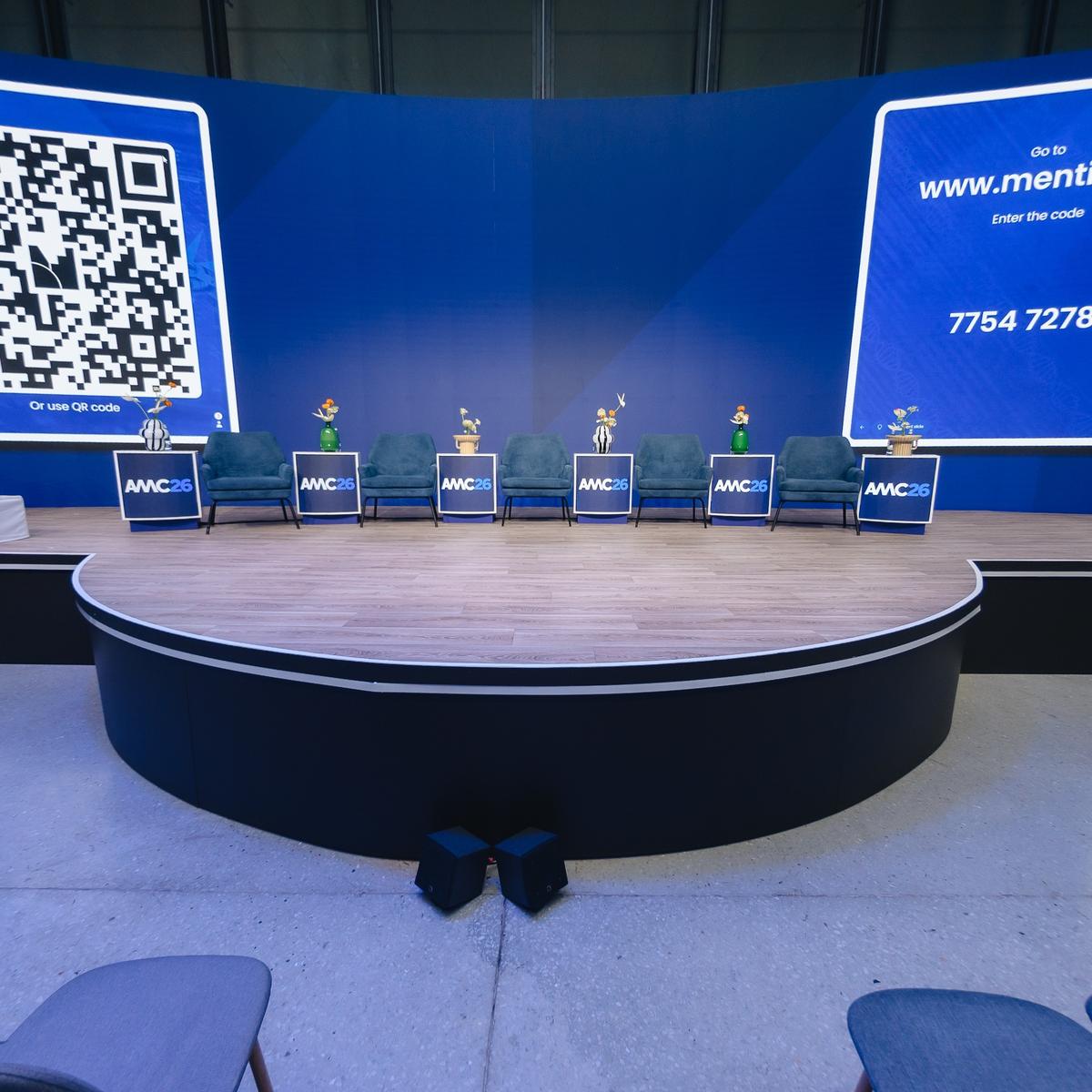
Unpacking African Markets in the Era of Global Volatility
Why It Matters
AMC26 signals a coordinated push to attract global investment despite trade turbulence, positioning Africa as a resilient growth frontier for capital markets and policymakers.
Key Takeaways
- •AMC26 convenes leaders to address post‑Trump trade volatility
- •Focus on mobilising private capital for African infrastructure
- •Panels discuss geopolitics, capital markets, creative economy
- •High‑profile speakers include Ban Ki‑moon and Standard Bank CEO
- •Conference aligns with upcoming South African budget announcement
Pulse Analysis
Global trade tensions sparked by former President Donald Trump’s tariffs have reverberated across emerging markets, and Africa is no exception. The continent faces heightened currency risk, supply‑chain disruptions, and reduced export demand, prompting investors to reassess exposure. By convening at AMC26, policymakers and financiers are acknowledging that traditional reliance on commodity flows is insufficient; instead, they are seeking diversified capital inflows that can weather external shocks and support long‑term development objectives.
The conference agenda reflects this strategic pivot. The opening panel, "A New World Order: Geopolitics and Macroeconomics," dissects how shifting alliances and protectionist policies reshape African trade patterns. Subsequent sessions, such as "Deepening African Capital Markets and Mobilising Private Capital," bring together IFC executives, private‑equity leaders, and banking innovators to map pathways for scaling infrastructure financing. A creative‑economy track, featuring personalities like Trevor Noah and designer Laduma Ngxokolo, highlights the growing contribution of culture and tech to GDP, reinforcing the narrative that Africa’s growth engine is increasingly multifaceted.
For investors, AMC26 offers a real‑time barometer of risk‑adjusted opportunities. Discussions on AI‑driven payment ecosystems and domestic capital market reforms suggest that the continent is moving toward greater financial inclusion and digital resilience. Coupled with the timing of Finance Minister Enoch Godongwana’s budget, the conference could catalyze policy measures that unlock private‑sector participation, improve sovereign credit profiles, and ultimately position Africa as a compelling destination for diversified global capital. The outcomes may shape asset‑allocation decisions well beyond the event’s three‑day span.
Unpacking African markets in the era of global volatility
Comments
Want to join the conversation?
Loading comments...