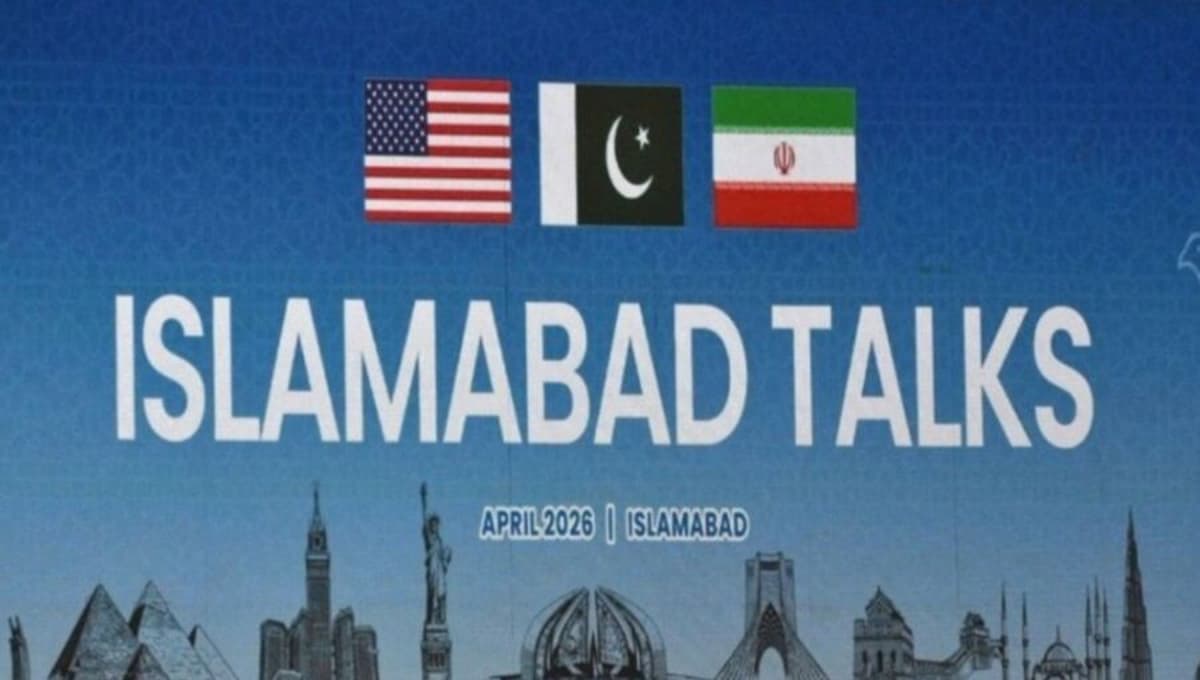
US-Iran Islamabad Talks End without Deal as Hormuz Control Remains Key Sticking Point
Why It Matters
Control of the Hormuz waterway affects roughly 20% of global oil and LNG flow, so any diplomatic impasse directly influences energy markets and regional stability. The failed talks raise the likelihood of renewed military tension between the U.S. and Iran.
Key Takeaways
- •Talks lasted 21 hours, ended without agreement.
- •Strait of Hormuz controls 20% of global oil and LNG.
- •Iran demands transit fees and control, US insists on free navigation.
- •Cease‑fire expires April 21, raising risk of renewed hostilities.
- •Pakistan mediated, but no further diplomatic path defined.
Pulse Analysis
The Strait of Hormuz has long been a flashpoint in U.S.–Iran relations, serving as a chokepoint for roughly one‑fifth of the world’s petroleum and liquefied natural gas shipments. Control over this narrow passage translates into geopolitical leverage, prompting both Washington and Tehran to embed the waterway’s status at the heart of any diplomatic overture. Past attempts at dialogue have faltered amid mutual distrust, making the Islamabad summit a rare, high‑stakes opportunity to reset a volatile status quo.
In Islamabad, senior officials from both capitals convened under Pakistani mediation, but fundamental disagreements quickly surfaced. The United States presented a package emphasizing unconditional freedom of navigation, while Iran countered with demands for transit fees and a legal right to regulate vessel movements—backed by fast‑tracked emergency legislation in Tehran’s parliament. Iran’s parliamentary speaker, Mohammad Bagher Ghalibaf, signaled a willingness to continue negotiations only on its terms, leaving Vice President JD Vance to acknowledge Tehran’s outright rejection. The talks, lasting over 21 hours, concluded without a deal, and the existing cease‑fire set to lapse on April 21 now hangs in the balance.
The diplomatic deadlock carries immediate ramifications for global energy markets and regional security. Any disruption in Hormuz could spike oil prices, as traders price in the risk of supply interruptions. Militarily, the United States has kept forces on alert around Iran, and the absence of a diplomatic pathway may prompt a shift toward coercive measures or heightened naval presence. For policymakers, the challenge lies in balancing pressure on Tehran with the economic fallout of a potential escalation, while regional actors watch closely for signs of either renewed dialogue or a return to confrontation.
US-Iran Islamabad talks end without deal as Hormuz control remains key sticking point
Comments
Want to join the conversation?
Loading comments...