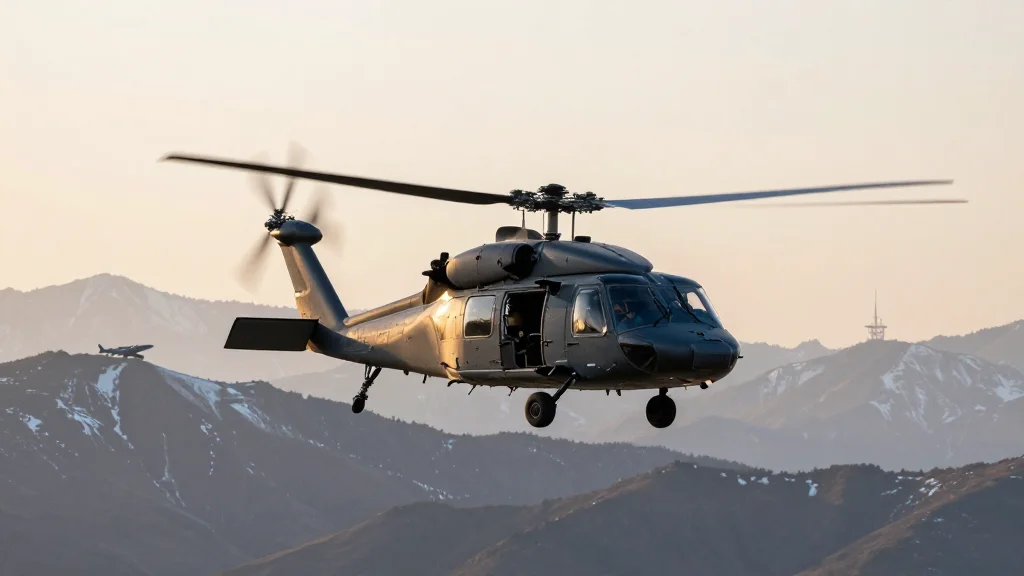
US Launches High‑Risk Rescue After Iran Downs F‑15E, Tehran Calls Public to Capture Pilot

Why It Matters
The downing of a U.S. fighter jet in Iranian territory escalates a conflict that already threatens global oil supplies, a lifeline for many emerging economies. Higher crude prices feed through to transport costs, food inflation and fiscal pressures in countries ranging from India to sub‑Saharan Africa, where energy imports constitute a large share of national budgets. Moreover, Iran’s unprecedented appeal to civilians to capture a U.S. pilot signals a new level of domestic mobilization that could prolong hostilities and keep markets on edge. For investors, the incident sharpens the risk‑reward calculus of exposure to the Middle East. Nations heavily dependent on oil imports may see short‑term price gains, but the volatility also raises the cost of financing and could spur capital flight from risk‑on assets. Conversely, regional rivals such as Saudi Arabia and the United Arab Emirates may benefit from a shift in procurement toward alternative suppliers, reshaping trade flows across the emerging‑market landscape.
Key Takeaways
- •U.S. CSAR teams launched a rescue mission after Iran shot down an F‑15E Strike Eagle in Kohgiluyeh‑Boyer‑Ahmad province.
- •One crew member rescued; the weapons‑systems officer remains missing, prompting a high‑risk extraction effort.
- •Iranian state TV offered a "precious prize" for civilians who capture the downed pilot, a first in the conflict.
- •Oil prices have risen sharply, hurting fisheries in Mumbai and Goa and adding inflation pressure to emerging economies.
- •Polls show sub‑20% approval for U.S. strikes on Iran in Singapore and Malaysia, indicating broader regional backlash.
Pulse Analysis
The rescue operation underscores how kinetic military actions can quickly translate into macro‑economic shocks for emerging markets. Historically, spikes in oil prices following Middle‑East conflicts have tightened balance‑of‑payments for import‑dependent economies, forcing central banks to tighten monetary policy sooner than planned. The current episode is likely to reinforce that pattern, especially as Iran’s public call to capture the pilot may extend the conflict’s duration and keep supply disruptions in play.
Strategically, Tehran’s decision to involve civilians marks a shift from conventional state‑to‑state warfare to a hybrid approach that blurs the line between combatants and non‑combatants. This raises the risk of accidental escalations and could invite retaliatory strikes that further destabilize the region. For investors, the key takeaway is to monitor not only the immediate tactical developments but also the broader diplomatic overtures—such as Pakistan’s offer to host U.S.–Iran talks—that could either defuse or deepen the crisis.
In the longer view, the incident may accelerate a realignment of trade flows in Asia. With public sentiment turning against U.S. actions, Chinese and regional manufacturers are poised to capture market share previously held by American firms. Companies with exposure to Iranian oil or to logistics corridors through the Strait of Hormuz should reassess their risk models, while those positioned in alternative energy or non‑oil‑linked sectors may find new opportunities as governments in emerging markets seek to diversify energy sources.
US Launches High‑Risk Rescue After Iran Downs F‑15E, Tehran Calls Public to Capture Pilot
Comments
Want to join the conversation?
Loading comments...