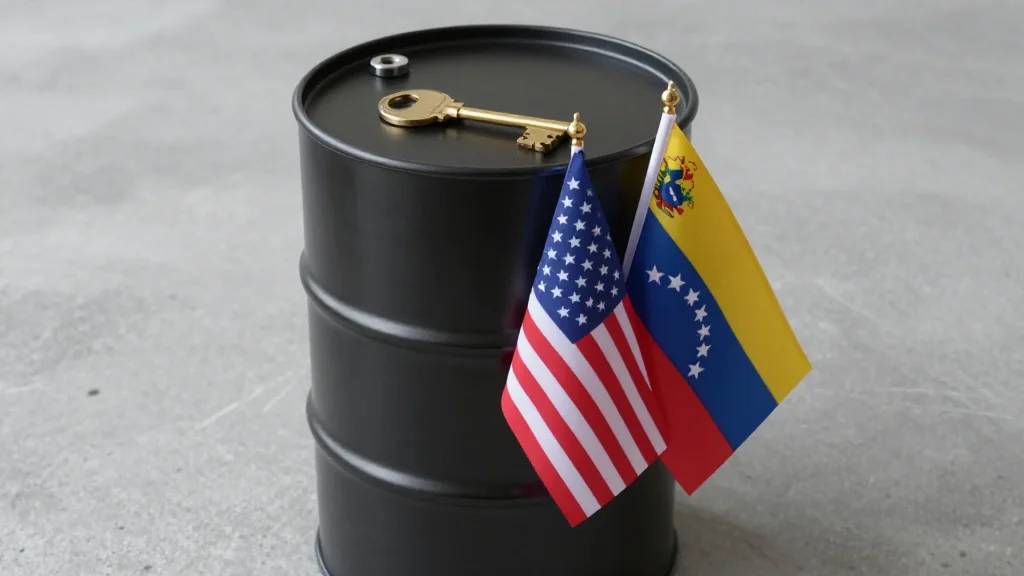
U.S. Lifts Sanctions on Venezuela’s Acting President Delcy Rodríguez, Signaling New Diplomatic Path

Why It Matters
The removal of U.S. sanctions on Delcy Rodríguez reshapes the geopolitical calculus in one of Latin America’s largest oil producers, offering a potential lifeline to a collapsing economy and opening new investment opportunities in a traditionally high‑risk market. For emerging‑market investors, the decision reduces a major source of uncertainty, potentially unlocking capital flows into Venezuela’s energy sector and broader economy. Moreover, the policy shift signals a willingness by Washington to engage with interim regimes when diplomatic channels open, a precedent that could affect how sanctions are used as leverage in other emerging markets facing political crises. Beyond finance, the sanctions relief could improve humanitarian conditions for millions of Venezuelans who have endured shortages of food, medicine, and basic services. By restoring access to international banking and trade networks, the United States may facilitate a faster delivery of aid, contributing to regional stability and reducing migration pressures on neighboring countries.
Key Takeaways
- •U.S. Treasury’s OFAC lifted all sanctions on acting President Delcy Rodríguez on Wednesday.
- •The move formally recognizes Rodríguez as Venezuela’s legitimate head of state.
- •Sanctions removal could reopen PDVSA to global financing and oil exports.
- •Potential short‑term rally in Venezuelan sovereign bonds and equities expected.
- •Further U.S. engagement will depend on democratic reforms and anti‑corruption commitments.
Pulse Analysis
The United States’ decision to lift sanctions on Delcy Rodríguez reflects a pragmatic shift from punitive isolation to conditional engagement. Historically, U.S. sanctions have been a blunt instrument aimed at pressuring authoritarian regimes, but they often backfire by entrenching economic hardship and fueling anti‑U.S. sentiment. In Venezuela’s case, the sanctions have crippled the oil sector, the country’s economic engine, while providing limited leverage over the Maduro regime. By targeting the interim government instead, Washington signals a willingness to work with actors it deems more amenable to reform, hoping to catalyze a political transition without direct military involvement.
From an investment perspective, the policy change reduces the sovereign risk premium that has kept most foreign capital at bay. However, the market will remain cautious until concrete steps—such as transparent budgeting, debt restructuring, and credible elections—materialize. The risk of a reversal remains if Rodríguez’s administration fails to meet U.S. conditions or if internal power struggles destabilize the interim government. Investors should therefore adopt a phased exposure strategy, monitoring both political developments and the operational health of PDVSA.
Regionally, the sanctions lift may encourage other Latin American nations to reconsider their diplomatic posture toward Caracas, potentially easing the humanitarian crisis that has driven millions to flee. It also offers a template for how the United States might recalibrate its sanctions toolkit in other emerging markets, balancing pressure with pathways for reintegration when political openings arise.
U.S. Lifts Sanctions on Venezuela’s Acting President Delcy Rodríguez, Signaling New Diplomatic Path
Comments
Want to join the conversation?
Loading comments...