US Push to Reopen Strait of Hormuz Tests Iran Ceasefire, Risks Oil Flow

Why It Matters
The Strait of Hormuz is a chokepoint that directly influences oil‑price volatility, a key driver of inflation in emerging markets that import large volumes of energy. A prolonged closure would erode foreign‑exchange reserves, increase debt burdens, and could trigger capital outflows from vulnerable economies. Conversely, a successful U.S. security corridor could restore confidence in trade routes, stabilizing commodity markets and supporting growth forecasts for the region. Beyond economics, the episode underscores the geopolitical fragility of the Gulf, where any escalation could draw in external powers and destabilize neighboring states. Emerging markets that rely on Gulf oil—particularly South‑Asian economies—must navigate heightened diplomatic risk while managing domestic pressures from rising fuel costs.
Key Takeaways
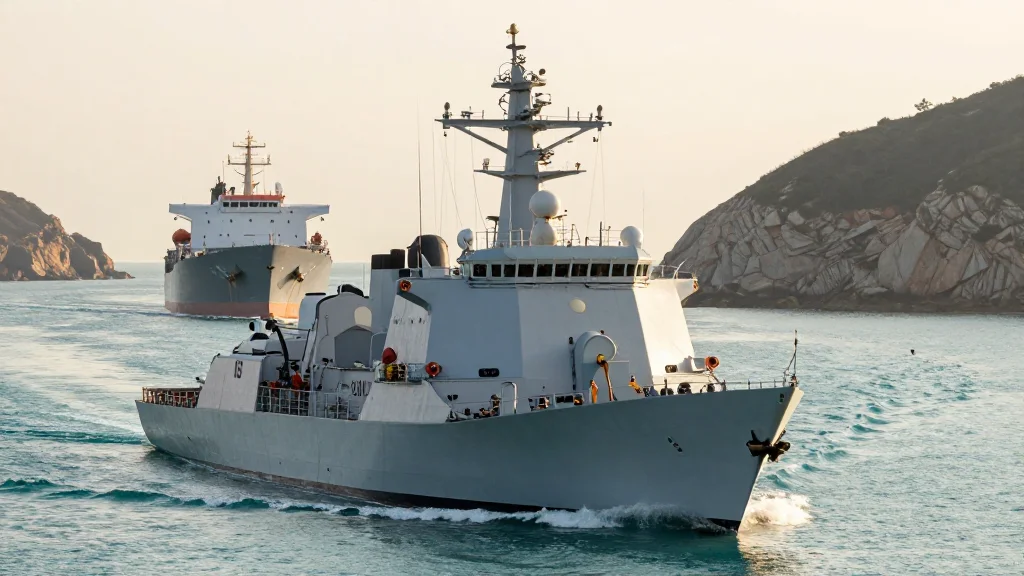
- •U.S. forces opened an "enhanced security area" in the Strait of Hormuz, escorting two merchant ships on Monday.
- •Iran launched missiles, drones and small boats; U.S. helicopters sank six of the attacking vessels.
- •Iranian speaker Mohammad Bagher Qalibaf called the U.S. move a ceasefire violation and warned of a "new equation" in the strait.
- •UAE defenses intercepted 15 missiles and four drones; a drone sparked a fire at a Fujairah oil facility, injuring three Indians.
- •The strait handles about 20% of global oil and gas trade; disruption could push Brent crude above $90 per barrel.
Pulse Analysis
The U.S. decision to force a limited opening of the Strait of Hormuz reflects a calculated gamble: it seeks to undercut Iran’s leverage without igniting a full‑scale conflict. Historically, control of the strait has been Tehran’s most potent bargaining chip, allowing it to influence global oil markets and extract concessions in diplomatic negotiations. By demonstrating the ability to clear a safe corridor, Washington aims to signal that Iran’s chokehold is not absolute, potentially weakening Tehran’s negotiating position in ceasefire talks.
For emerging markets, the stakes are immediate and material. Countries like India and Pakistan import over 80% of their oil from the Gulf; any spike in crude prices translates into higher transport costs, inflationary pressure on food and consumer goods, and tighter fiscal space. The recent missile and drone attacks, however, reveal that Iran retains the capacity to inflict localized damage that can ripple through supply chains, especially if attacks target critical infrastructure in the UAE, a hub for re‑exporting refined products.
Looking ahead, the durability of the security corridor will depend on diplomatic back‑channeling and the willingness of regional actors to enforce the ceasefire. If Iran escalates, we could see a rapid re‑closure of the strait, prompting a sharp rally in oil prices and a scramble for alternative routes, such as the longer, costlier passage around the Cape of Good Hope. Conversely, a sustained U.S. presence could normalize shipping, lower risk premiums, and provide emerging‑market economies with a more predictable energy cost outlook, supporting growth trajectories that have been stalled by the war’s uncertainty.
US Push to Reopen Strait of Hormuz Tests Iran Ceasefire, Risks Oil Flow
Comments
Want to join the conversation?
Loading comments...