US‑Iran Islamabad Talks Collapse, Leaving Emerging‑Market Oil Shock

Why It Matters
The collapse of the Islamabad talks threatens to reignite a broader regional conflict that would keep the Strait of Hormuz partially or fully blocked. For emerging markets that import a large share of their oil from the Middle East, any disruption translates into higher fuel costs, weaker trade balances and heightened inflation. Moreover, the diplomatic impasse keeps sanctions on Iranian oil in place, limiting a potential alternative supply that could have moderated global prices. The uncertainty also deters foreign investment in the region, as investors weigh the risk of sudden spikes in energy costs against growth prospects. Beyond oil, the talks highlighted Pakistan’s ambition to position itself as a mediator in high‑stakes diplomacy. A successful mediation could have boosted its geopolitical clout and attracted economic aid, while the failure underscores the limits of its influence and may affect its own security calculus, especially given its borders with both Iran and India.
Key Takeaways
- •U.S. Vice President JD Vance led a 21‑hour delegation to Islamabad; talks ended without a nuclear‑non‑proliferation commitment.
- •Iran refused to provide a “fundamental commitment” to halt nuclear weapons development, keeping red lines intact.
- •Pakistan deployed a massive security lockdown, with thousands of troops and paramilitary forces securing the venue.
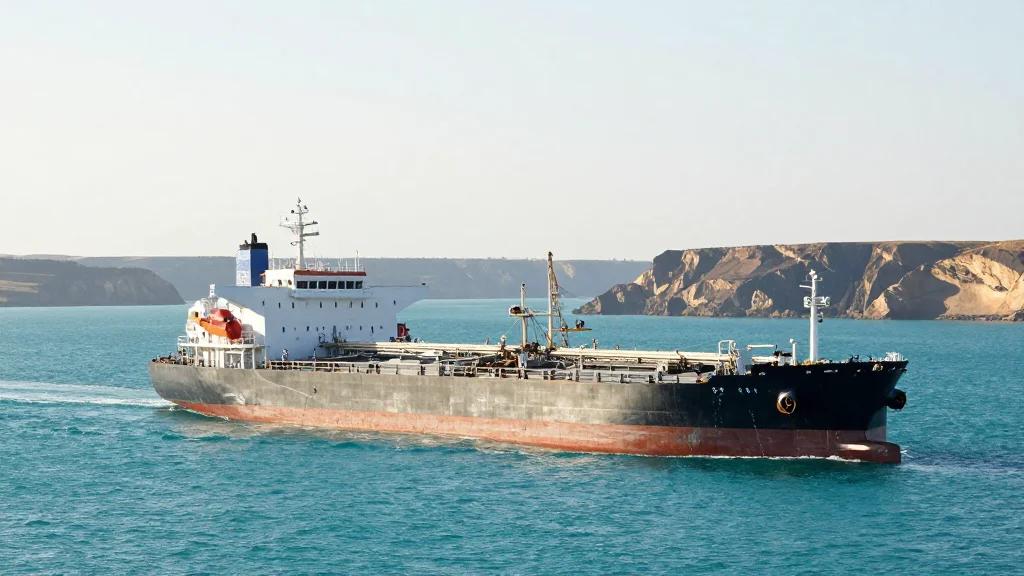
- •Strait of Hormuz, carrying ~20% of global oil, remains a flashpoint; any closure could add $5‑$10 per barrel to import costs for emerging markets.
- •Both sides left with a “final and best offer” from the U.S.; Pakistan pledged to continue facilitating dialogue.
Pulse Analysis
The Islamabad deadlock is a textbook case of how geopolitical brinkmanship can cascade into macro‑economic turbulence for emerging markets. Historically, any perceived threat to the Strait of Hormuz has spurred rapid price spikes—think the 2019 tanker attacks that sent Brent crude above $80 a barrel. This time, the stakes are amplified by a war that already disrupted supply chains and inflated energy costs across Asia and Africa. Emerging economies, already wrestling with debt service and currency depreciation, will feel the squeeze most acutely if the strait stays partially closed or if oil prices stay elevated.
Pakistan’s gamble to act as a neutral broker was a bold diplomatic move, but the heavy‑handed security posture and public branding of the talks may have backfired, eroding the perception of impartiality that Norway leveraged in the Oslo process. The contrast underscores a lesson for emerging‑market states: effective mediation often requires quiet, behind‑the‑scenes facilitation rather than overt fanfare. As the U.S. and Iran remain entrenched on core issues—nuclear commitments and regional security—the likelihood of a rapid resolution is low. Investors should therefore price in a risk premium for oil‑importing emerging markets and monitor any escalation that could trigger a broader energy shock.
In the longer view, the failure to secure a nuclear pledge keeps the JCPOA‑style framework out of reach, meaning sanctions on Iranian oil will persist. This limits Tehran’s ability to generate hard currency, potentially driving it toward more aggressive tactics in the Hormuz corridor. For emerging markets, the strategic calculus now includes not just price volatility but also the risk of supply chain disruptions from maritime security incidents. Stakeholders—from central banks to multinational corporations—must prepare contingency plans, diversify energy sources, and engage in diplomatic channels that could de‑escalate the situation before it spirals into a full‑scale crisis.
US‑Iran Islamabad Talks Collapse, Leaving Emerging‑Market Oil Shock
Comments
Want to join the conversation?
Loading comments...