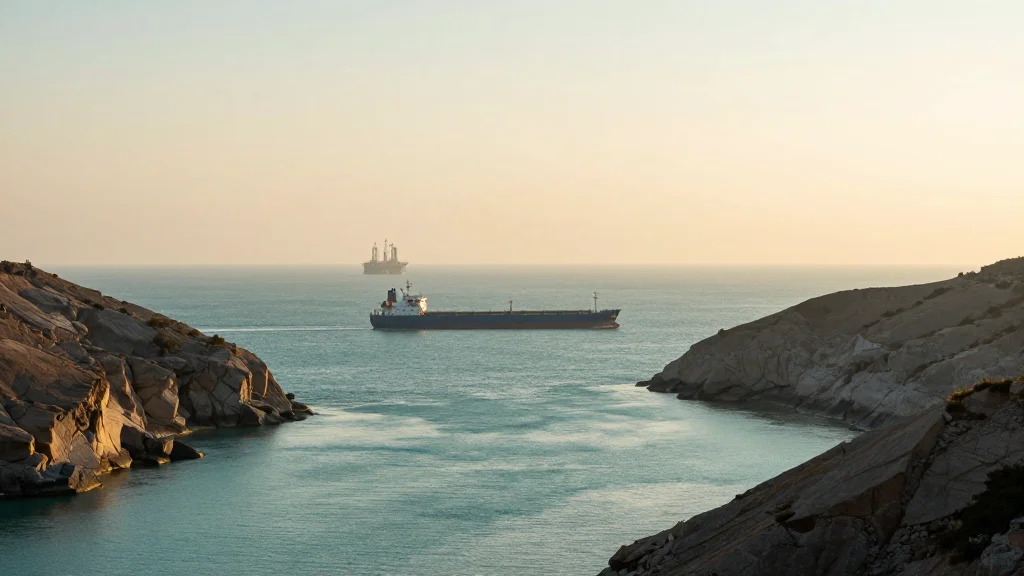
US‑Iran Tentative 60‑Day Ceasefire Deal Awaits Trump Approval, Stakes on Oil and Nuclear Talks

Why It Matters
The tentative cease‑fire extension sits at the intersection of geopolitics, energy security and emerging‑market stability. A reopened Strait of Hormuz would immediately lower global oil transport costs, easing inflation in import‑dependent economies across Asia, Africa and Latin America. Moreover, the prospect of a $300 billion reconstruction programme could channel unprecedented capital into Iran, reshaping regional trade patterns and offering new investment opportunities for emerging‑market firms. Conversely, the deal’s fate underscores the fragility of diplomatic progress. A reversal could keep the strait blocked, sustain high oil prices and prolong sanctions that choke Iran’s economy, deepening fiscal pressures in neighboring markets that rely on oil revenue. The uncertainty also feeds volatility into emerging‑market equity and currency markets, as investors weigh the risk of renewed conflict against the upside of a diplomatic breakthrough.
Key Takeaways
- •U.S. and Iran have drafted a 60‑day cease‑fire extension pending President Trump's approval.
- •The memorandum would reopen the Strait of Hormuz, ending Iranian tolls and lifting the U.S. naval blockade gradually.
- •Iran must remove all mines from the strait within 30 days; the U.S. will relax sanctions to allow more oil sales.
- •U.S. Treasury Secretary Scott Bessent said oil prices could "come down very quickly" once the deal is finalized.
- •A proposed $300 billion reconstruction fund could channel massive investment into Iran if the agreement is signed.
Pulse Analysis
The draft memorandum represents the most concrete step toward ending a conflict that has reverberated through emerging markets since February. Historically, disruptions in the Strait of Hormuz have triggered sharp spikes in Brent crude, eroding real incomes in oil‑importing nations and prompting capital flight from emerging‑market equities. By potentially restoring 30 % of pre‑war shipping volumes within a month, the agreement could shave several dollars per barrel off global oil prices, delivering a modest but timely boost to inflation‑sensitive economies in South Asia and Africa.
Beyond the immediate energy impact, the mention of a $300 billion reconstruction fund signals a strategic pivot: the United States may be willing to gamble on long‑term economic integration to cement security gains. If realized, the fund could catalyze a wave of private‑sector participation, from infrastructure rebuilds to energy‑sector joint ventures, reshaping Iran’s economic landscape and creating spill‑over benefits for neighboring markets. However, the fund’s feasibility hinges on political will in Washington and Tehran’s willingness to accept stringent nuclear‑non‑proliferation guarantees.
The decisive variable remains President Trump’s signature. His track record of abrupt policy shifts injects a layer of unpredictability that markets cannot price in fully. Should the deal stall, the Strait of Hormuz may remain a chokepoint, sustaining high oil prices and feeding inflationary pressures that could derail growth forecasts for emerging economies already grappling with debt servicing challenges. Investors will be watching the White House closely, as the next few days could set the tone for global risk sentiment throughout the second half of 2026.
US‑Iran Tentative 60‑Day Ceasefire Deal Awaits Trump Approval, Stakes on Oil and Nuclear Talks
Comments
Want to join the conversation?
Loading comments...