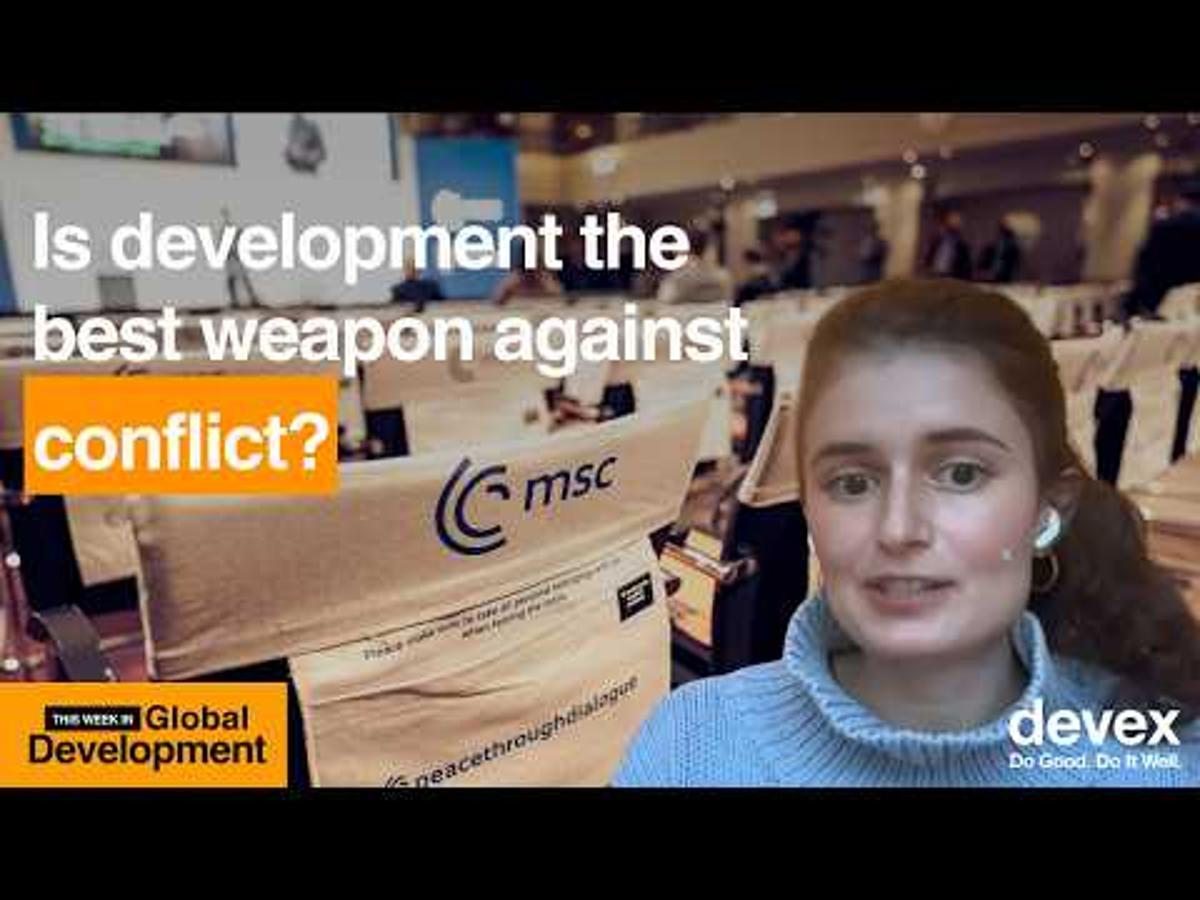
What We Learned at the African Union Summit and Munich Security Conference
•February 19, 2026
0
Why It Matters
Accelerating AfCFTA and secure mineral supply chains can reshape Africa’s economic landscape, while tying development finance to security redefines aid priorities for the Global South.
Key Takeaways
- •AfCFTA tariffs reduced in phased approach
- •Strategic mineral corridors highlighted for supply security
- •US pledges non‑exploitative corridor investments
- •Global South under‑represented at Munich conference
- •Development finance linked to security priorities
Pulse Analysis
The African Continental Free Trade Area (AfCFTA) continues its ambitious rollout, systematically lowering tariffs across member states to stimulate cross‑border commerce and industrial growth. By removing trade barriers, AfCFTA aims to unlock a market of over 1.3 billion consumers, fostering economies of scale and encouraging foreign direct investment. Analysts note that the phased approach mitigates disruption while allowing nations to adapt supply chains, positioning Africa for a more integrated and resilient trade ecosystem.
Parallel to trade liberalization, the summit spotlighted strategic resource corridors designed to secure critical mineral supply chains for global tech and clean‑energy markets. U.S. representatives stressed that these corridors will be developed responsibly, with community benefits and environmental safeguards at the forefront. Such investments promise to diversify Africa’s export base beyond commodities, creating jobs and infrastructure while reducing reliance on external actors for essential minerals like cobalt and lithium.
At the Munich Security Conference, development finance rose to prominence despite the Global South’s under‑representation. Policymakers argued that sustainable development is a prerequisite for lasting security, shifting the narrative from reactive aid to proactive investment. This reframing encourages multilateral banks and private capital to fund projects that address climate resilience, health, and education, thereby mitigating conflict drivers. The convergence of trade, resource strategy, and security finance signals a new paradigm where development is integral to geopolitical stability.
What we learned at the African Union Summit and Munich Security Conference
0
Comments
Want to join the conversation?
Loading comments...