Who Showed up — and Who Didn’t — for Kyiv’s Big Day
•February 25, 2026
0
Companies Mentioned


Why It Matters
The episode reveals both the depth of Western commitment to Ukraine and emerging fractures that could delay vital financing and sanctions, affecting the war’s trajectory and Europe’s strategic cohesion.
Key Takeaways
- •EU leaders attended Kyiv solidarity event on invasion anniversary
- •Ursula von der Leyen and António Costa were present
- •Some key European leaders absent, prompting speculation
- •Hungary and Slovakia oppose EU loan for Ukraine
- •Blockage could delay sanctions and financial support
Pulse Analysis
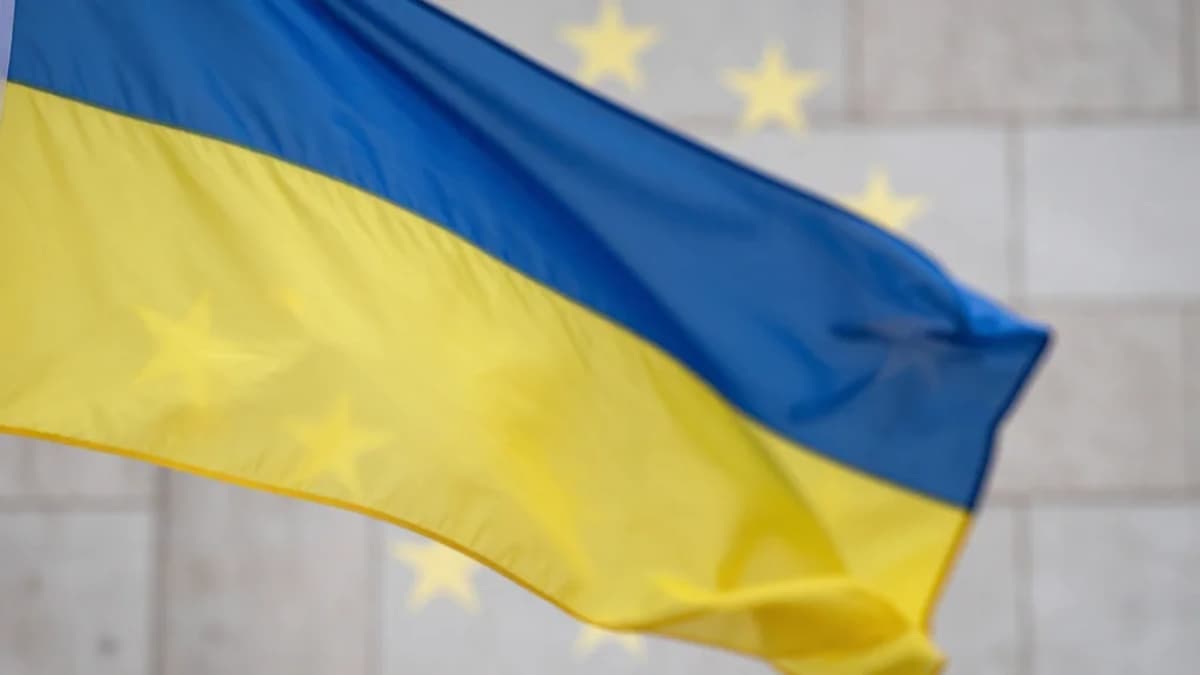
The fourth anniversary of Russia’s full‑scale invasion was marked by a carefully choreographed show of solidarity in Kyiv. European officials, most notably European Commission President Ursula von der Leyen and Portuguese Prime Minister António Costa, stood beside President Volodymyr Zelenskyy as crowds gathered in the capital’s streets. The event combined symbolic gestures—flags, speeches, and a joint pledge to sustain Ukraine’s defence—with a clear message to Moscow that Europe remains committed to Kyiv’s sovereignty. Media coverage highlighted the emotional atmosphere, underscoring how the milestone has become a litmus test for Western resolve.
Yet the ceremony also exposed fissures within the bloc. Several senior leaders, including heads of state from Hungary and Slovakia, were conspicuously absent, fueling speculation about their willingness to endorse further aid. Both governments have signaled resistance to the €20 billion EU loan package that underpins Ukraine’s reconstruction and defence budget, arguing for stricter conditionality. Their opposition threatens to stall the disbursement of funds and complicate the next wave of sanctions aimed at curbing Russia’s war machine. Diplomats report intense behind‑the‑scenes negotiations as Brussels seeks to reconcile these dissenting voices.
The outcome of these negotiations will shape Ukraine’s fiscal outlook for the coming year. A delayed loan could force Kyiv to rely more heavily on bilateral assistance, potentially slowing procurement of advanced weaponry and reconstruction projects. Conversely, a unified EU stance would reinforce the credibility of the continent’s security architecture and send a strong deterrent signal to Moscow. Analysts warn that persistent divisions risk eroding the political capital built since 2022, making future mobilisations of resources more uncertain. Monitoring the next EU summit will be critical for investors and policymakers alike.
Who showed up — and who didn’t — for Kyiv’s big day
0
Comments
Want to join the conversation?
Loading comments...