Why Israel’s Economy Is Thriving Now
Why It Matters
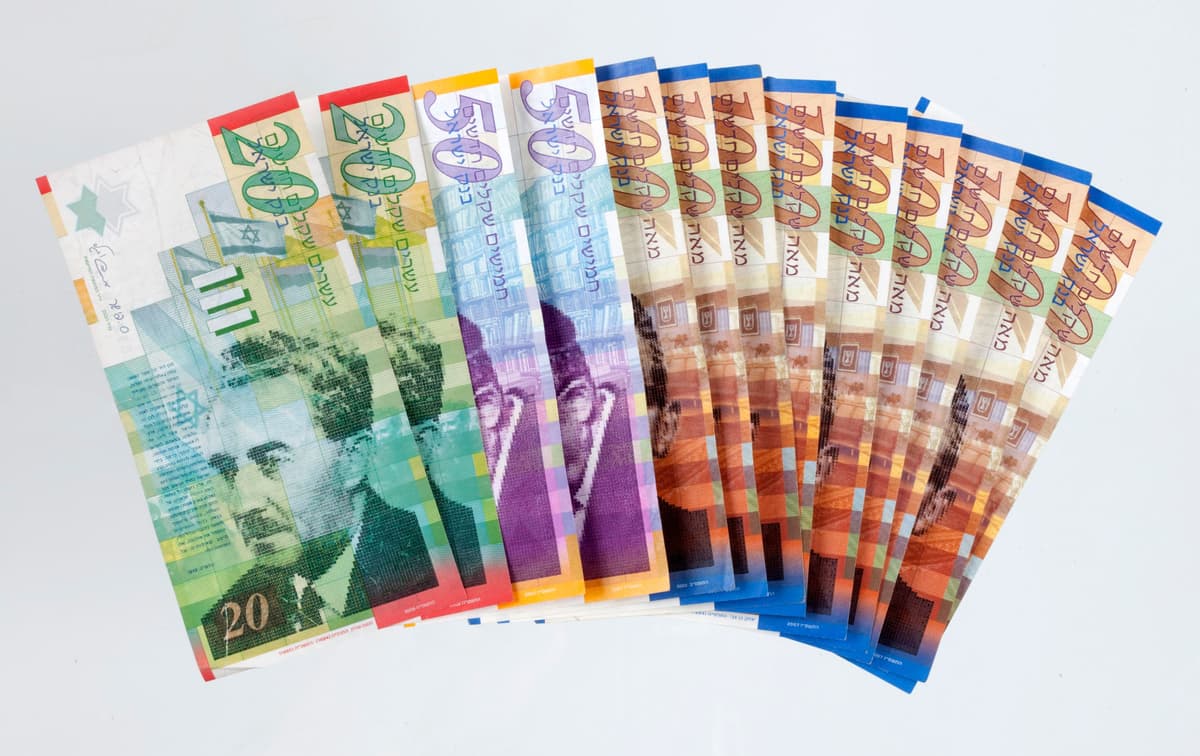
A robust shekel signals global investors view Israel as a resilient growth engine, but the appreciation also threatens export‑driven firms, creating a policy dilemma between currency strength and manufacturing viability.
Key Takeaways
- •Shekel strengthens to under 3 per USD, strongest since mid‑1990s
- •Defense tech showcase drives foreign capital inflows and large purchase orders
- •Laser‑based missile interceptors could cut per‑shot costs to a few dollars
- •Strong shekel squeezes exporters, threatening profit margins for small manufacturers
- •Investor optimism sees Israel as a long‑term growth bet despite regional tensions
Pulse Analysis
The recent appreciation of the Israeli shekel is more than a currency anomaly; it reflects a broader shift in risk perception among global investors. While the U.S. campaign against Iran has rattled energy markets, Israel’s ability to demonstrate cutting‑edge defense capabilities in operations such as "Operation Roaring Lion" has turned the nation into a showcase for high‑tech resilience. Capital has flowed into its defense firms, and the broader tech ecosystem is benefitting from heightened demand, positioning Israel as a rare growth story in a volatile macro environment.
Beyond immediate battlefield successes, Israel is betting on next‑generation laser defense systems that could slash the cost per missile intercept from tens of thousands of dollars to mere single‑digit figures. If realized, these technologies would not only reinforce Israel’s strategic deterrence but also open export opportunities to other nations facing missile threats. The potential for a new defense export category adds a layer of diversification to the economy, reinforcing the narrative that Israel’s innovation pipeline remains robust despite ongoing security challenges.
The flip side of a stronger shekel is the pressure it places on export‑oriented manufacturers. A 20% appreciation can wipe out profit margins, prompting calls from industry groups for a more balanced exchange rate. Policymakers now face a trade‑off: maintain a currency that signals confidence and attracts investment, or temper its rise to protect the manufacturing base. How Israel navigates this tension will shape its economic trajectory in the coming years, influencing everything from foreign direct investment to the sustainability of its famed "Startup Nation" reputation.
Why Israel’s Economy Is Thriving Now
Comments
Want to join the conversation?
Loading comments...