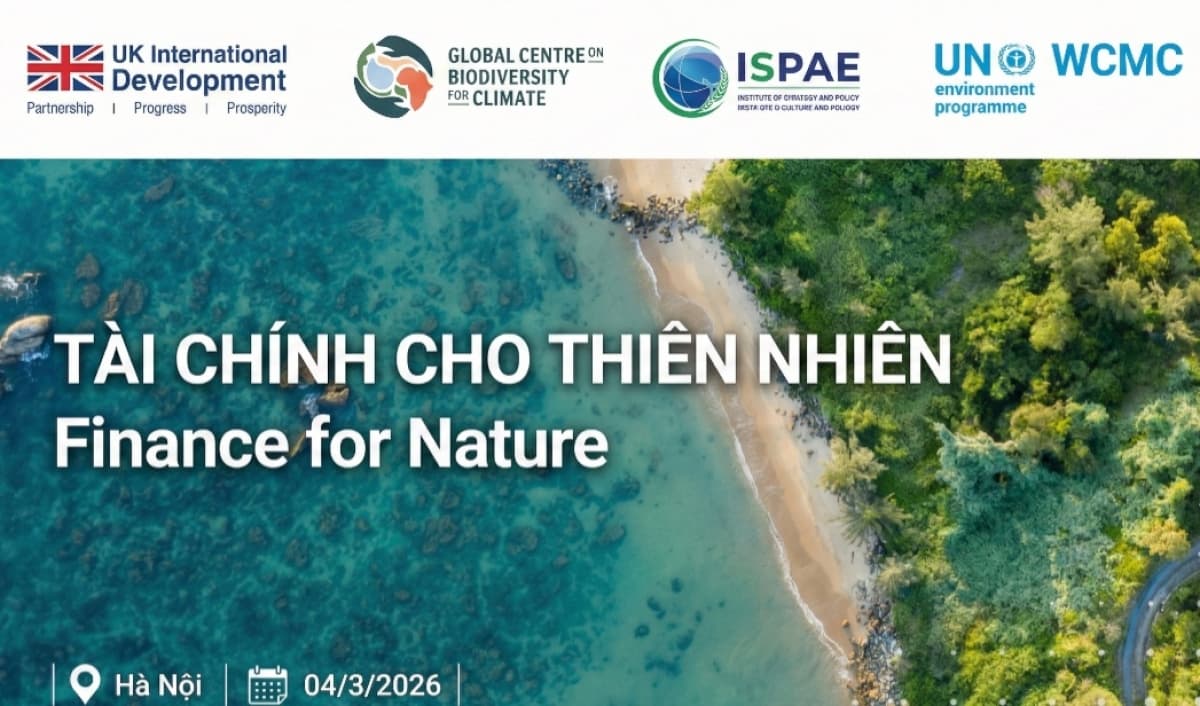
Workshop Calls for Natural Capital to Anchor Vietnam S Economic Policy
•March 5, 2026
0
Why It Matters
Quantifying ecosystem services reshapes fiscal policy, lowers climate‑related financial risk and creates incentives for green investment in Vietnam and similar economies.
Key Takeaways
- •IEEM links ecosystem services to GDP and trade balances
- •Global finance harms nature $7.3 trillion vs $220 billion investment
- •Sovereign ratings may reflect land and water risk exposure
- •Vietnam’s ETS pilot targets power, steel, cement sectors 2026‑28
- •Green taxonomy standardizes 45 project categories for banks
Pulse Analysis
Vietnam’s push to embed natural capital into macroeconomic policy reflects a growing global consensus that traditional CGE models miss critical ecosystem services. By integrating United Nations System of Environmental‑Economic Accounting data through the IEEM framework, policymakers can now track water use, carbon sequestration and soil health alongside monetary flows. This enriched accounting reveals how degradation directly depresses agricultural productivity, inflates food prices and erodes macro‑economic stability, providing a data‑driven basis for more resilient fiscal planning.
The workshop’s report also exposed a stark financial imbalance: roughly $7.3 trillion of capital annually damages nature, while only $220 billion supports nature‑based solutions. To reverse this trend, innovators are proposing sovereign‑credit‑rating adjustments that price land‑degradation and water‑scarcity risks, potentially lowering borrowing costs for conservation‑focused governments. Vietnam’s emerging emissions‑trading system, slated for a 2026‑28 pilot in power, steel and cement, and its green taxonomy covering 45 project categories, aim to channel private capital into low‑carbon, ecosystem‑friendly investments and curb green‑washing.
For investors and development banks, these reforms signal a new risk‑adjusted investment landscape. Quantifiable natural‑capital metrics enable more accurate valuation of projects, while the IEEM+ESM platform offers a feedback loop that translates ecological outcomes into economic performance. As Vietnam refines its credit ratings, carbon market, and taxonomy, the country positions itself as a testbed for ecological finance that other emerging markets may emulate, accelerating the shift of trillions of dollars toward nature‑positive portfolios.
Workshop calls for natural capital to anchor Vietnam s economic policy
0
Comments
Want to join the conversation?
Loading comments...