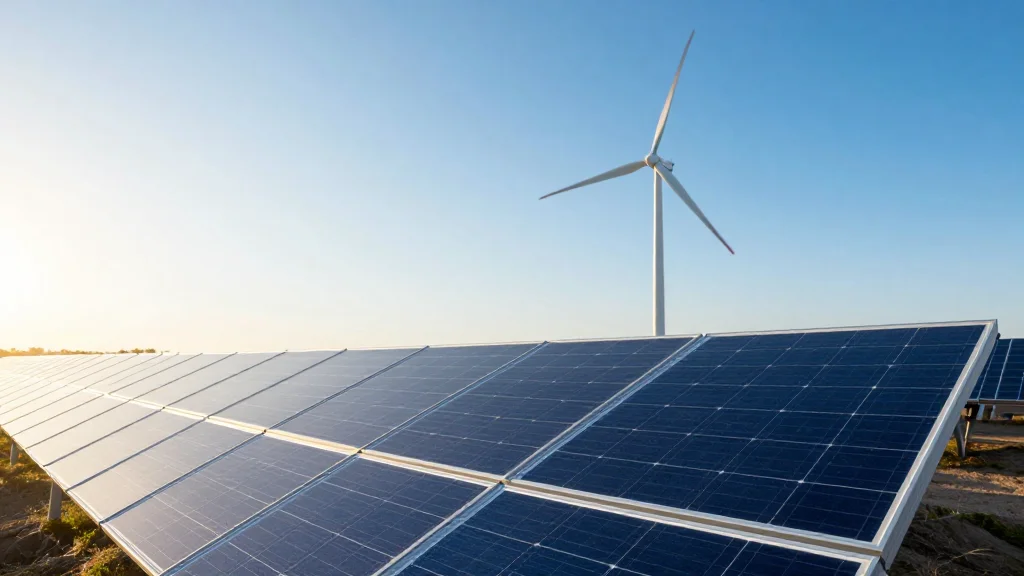
India Adds Record 64,895 MW Power Capacity in a Year, 52,095 MW Renewable

Why It Matters
The capacity surge reshapes India's energy landscape by dramatically increasing the share of clean generation, which is critical for meeting the country's growing electricity demand without exacerbating carbon emissions. A larger, more diversified generation mix reduces vulnerability to fuel import shocks and supports industrial competitiveness. By adding over 52 GW of renewable capacity, India moves closer to its goal of achieving 500 GW of renewable power by 2030. The expansion also sends a signal to global investors that the Indian market is ready for large‑scale, low‑carbon projects, potentially unlocking new streams of financing and technology transfer.
Key Takeaways
- •India commissioned 64,895 MW of new power capacity in a single year.
- •Renewable sources contributed 52,095 MW, over 80% of the addition.
- •The expansion was highlighted by Prime Minister Narendra Modi as part of a broader energy‑security drive.
- •Increased capacity is expected to stabilize wholesale electricity prices.
- •The record build‑out strengthens India's position as a clean‑power leader among emerging markets.
Pulse Analysis
India's capacity addition reflects a strategic alignment of policy, finance and technology that few emerging economies have achieved at this scale. The government's emphasis on renewable projects has likely lowered the cost of capital for developers, as investors increasingly demand climate‑aligned assets. This environment, combined with ambitious auction targets, creates a virtuous cycle: more projects attract more capital, which in turn fuels further capacity growth.
Historically, India's power sector has been dominated by coal‑fired plants, which contributed to both supply constraints and high emissions. The current shift mirrors a broader global trend where utilities are de‑risking coal exposure in favor of solar and wind, driven by falling technology costs and stricter environmental regulations. By achieving a renewable‑heavy record addition, India not only reduces its carbon intensity but also mitigates exposure to volatile coal import prices, enhancing energy security.
Future challenges will revolve around grid integration and storage. The intermittent nature of solar and wind requires robust transmission networks and flexible balancing resources. Policy makers will need to prioritize investments in high‑voltage corridors, smart grid technologies, and battery storage to fully harness the new capacity. If these ancillary needs are met, the capacity surge could translate into a durable, low‑cost power supply that underpins India's economic growth for decades.
India Adds Record 64,895 MW Power Capacity in a Year, 52,095 MW Renewable
Comments
Want to join the conversation?
Loading comments...