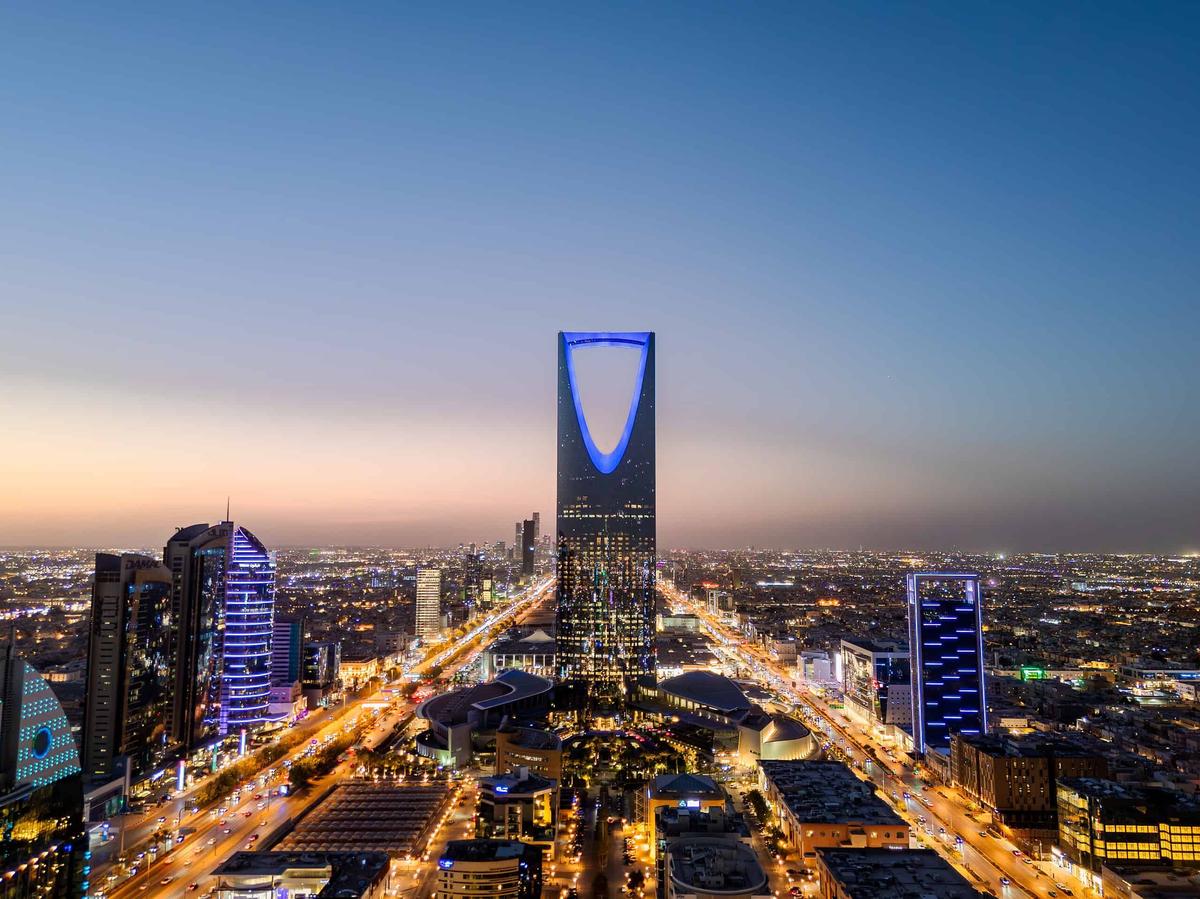
Saudi Arabia Opens Financial Markets To Foreign Investors
Why It Matters
Opening the market broadens capital sources, potentially boosting liquidity and supporting Saudi Arabia’s diversification agenda. It also offers global investors direct exposure to a historically under‑invested emerging market.
Key Takeaways
- •Saudi lifts QFI restrictions, allowing all foreign investors
- •Foreign ownership cap remains at 49% for listed firms
- •Potential $10‑15B inflow expected from new rules
- •Saudi equities underperformed, down 13% in 2025
- •Vision 2030 drives market liberalization for diversification
Pulse Analysis
The Saudi market’s liberalization marks a watershed moment for the kingdom’s capital markets. By scrapping the QFI regime, the Capital Market Authority eliminates a high‑barrier entry point that confined foreign participation to a handful of mega‑funds. This shift not only aligns Saudi Arabia with global best practices but also addresses the stark under‑ownership of its equities—just 4.7% versus peers in emerging markets. The policy change arrives amid a broader push to modernize the financial ecosystem, positioning Tadawul as a more attractive venue for diversified, cross‑border portfolios.
For investors, the reform unlocks direct access to a market previously navigated through swaps and indirect vehicles. Analysts estimate an immediate $10‑15 billion influx, driven by institutional appetite for exposure to Saudi’s growing non‑oil sectors such as tourism, technology, and renewables. Companies with robust governance and transparent dividend policies stand to benefit first, as they meet the criteria that global investors prioritize. Moreover, the increased foreign presence could improve market depth, reduce volatility, and enhance price discovery, fostering a more resilient trading environment.
Nonetheless, the liberalization is tempered by safeguards: a 49% aggregate foreign ownership ceiling for listed firms and a 10% limit for individual non‑resident investors. These caps aim to balance openness with domestic control, a delicate equilibrium as the kingdom pursues Vision 2030’s diversification targets. Future policy tweaks may relax these limits further, signaling a gradual march toward a fully integrated global financial hub. Successful execution will hinge on regulatory clarity, market infrastructure upgrades, and sustained investor confidence.
Saudi Arabia Opens Financial Markets To Foreign Investors


Comments
Want to join the conversation?
Loading comments...