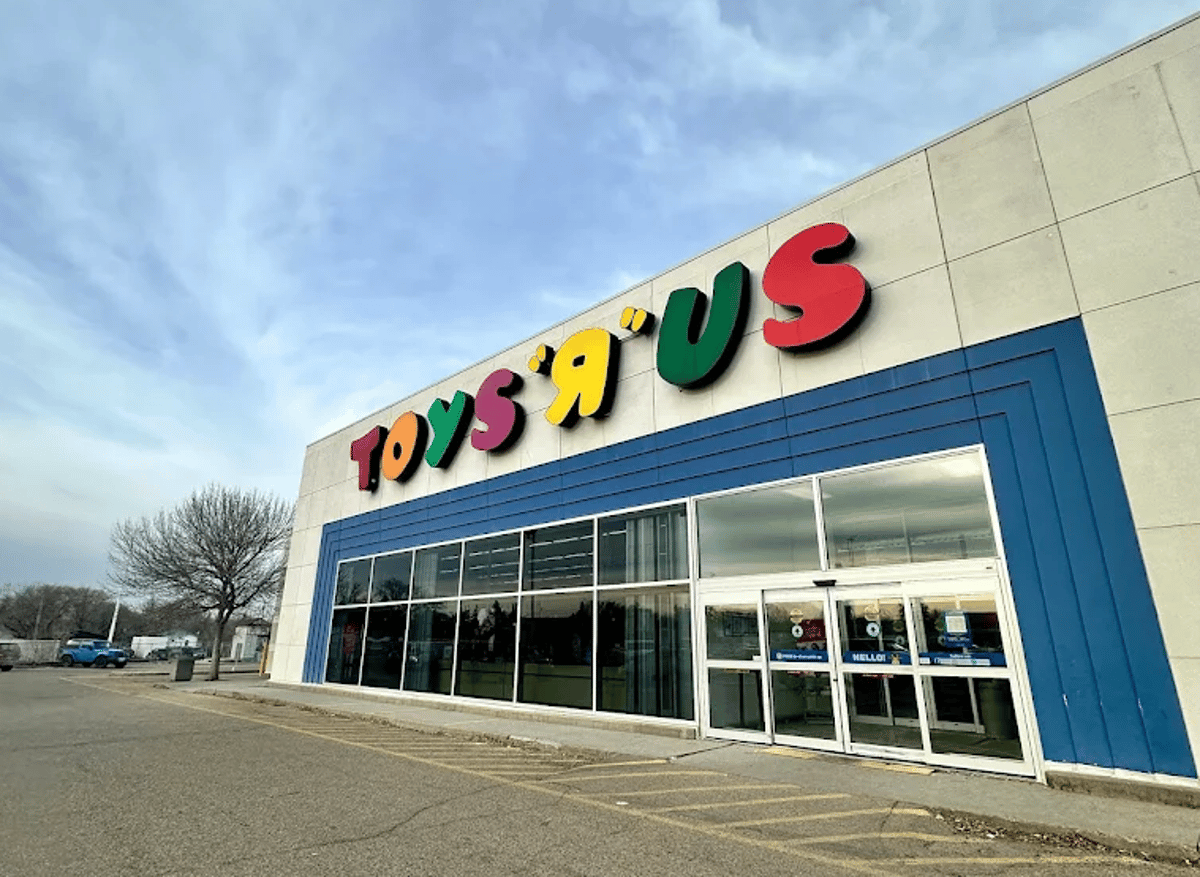
Toys “R” Us Canada Launches Sale Process
Why It Matters
The sale will determine whether the Toys “R” Us brand survives in Canada or is liquidated, affecting creditors, employees, and millions of consumers holding gift cards.
Key Takeaways
- •Sale process targets May bids, July closing
- •Stores dropped from 81 to 22 since 2021
- •Vendor debt around $89 M USD, liabilities $367 M USD
- •Supply-chain halt after Everest Toys receivership
- •Gift‑card liability adds $27 M USD risk
Pulse Analysis
Toys “R” Us Canada’s decision to launch a court‑supervised sale marks a pivotal moment for one of North America’s most recognizable toy retailers. The accelerated timeline—court approval in April, bid submissions in May, and a possible transaction by July—signals management’s urgency to preserve value for creditors while keeping the brand operational. Investors and analysts are watching closely, as a going‑concern sale could retain the Toys “R” Us name and a reduced store network, whereas a piecemeal asset liquidation would likely end the brand’s Canadian presence altogether.
The company’s financial distress is stark: approximately $89 million USD in vendor debt, $367 million USD in total liabilities, and assets of only $94 million USD, resulting in a $126 million USD net loss over ten months. Inflationary pressures, rising labor costs, and fierce e‑commerce competition have eroded margins, but the decisive blow came when Everest Toys entered receivership in 2025, halting shipments from major manufacturers like Mattel and Hasbro. This supply‑chain disruption left shelves barren during critical holiday periods, accelerating revenue decline and deepening cash‑flow gaps.
For stakeholders, the outcome carries significant ramifications. Creditors hope a swift sale will maximize recovery, while the roughly 510 remaining employees face uncertain futures and potential severance disputes. Consumers with gift cards confront redemption challenges, especially as online sales remain suspended. The broader Canadian retail landscape will also feel the ripple effects, as landlords and real‑estate investors reassess exposure to struggling brick‑and‑mortar tenants. Ultimately, the sale process will serve as a barometer for the viability of traditional toy retail in an increasingly digital marketplace.


Comments
Want to join the conversation?
Loading comments...