
Key Takeaways
- •Europe's unity seen as strategic economic imperative
- •National politics may block deeper integration efforts
- •€64 trillion investment question equals roughly $70 trillion
- •45‑minute video aims to outline concrete strengthening steps
- •Oxford event will bring policymakers and scholars together
Summary
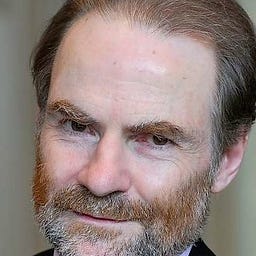
Timothy Garton Ash’s brief post underscores a rallying call for a stronger, more integrated Europe, warning that the continent’s future hinges on overcoming fragmented national politics. He highlights a staggering €64 trillion (≈ $70 trillion) investment question that Europe must address to remain globally competitive. The piece serves as a teaser for a forthcoming 45‑minute video produced by Nathalie Tocci and Anu Bradford, with plans for an Oxford‑based event to deepen the discussion. Ash positions the initiative as a catalyst for European unity and strategic action.
Pulse Analysis
Europe remains the world’s third‑largest economic bloc, with a combined GDP of roughly $17 trillion and a population exceeding 450 million. Its market size, regulatory influence, and technological capacity make it a cornerstone for multinational corporations, especially those based in the United States seeking stable supply chains and growth opportunities. Yet, the EU’s fragmented decision‑making often hampers swift action on climate, digital standards, and defense, prompting analysts like Garton Ash to stress the urgency of deeper integration.
At the heart of the debate is a €64 trillion (about $70 trillion) investment gap that the continent must bridge to fund infrastructure, green transition, and digital upgrades. This colossal figure dwarfs individual national budgets and requires coordinated fiscal policies, joint financing mechanisms, and political consensus across member states. Critics argue that rising populist sentiment and divergent national priorities could stall such ambitious spending, risking Europe’s competitive edge against China and the United States.
The upcoming 45‑minute video, spearheaded by former EU diplomat Nathalie Tocci and former World Bank chief Anu Bradford, aims to translate these macro challenges into actionable policy recommendations. By convening scholars, business leaders, and policymakers at an Oxford event, the initiative seeks to forge a pragmatic roadmap for a stronger Europe. For American investors and firms, the outcomes could signal new partnership frameworks, regulatory harmonization, and a more predictable investment climate across the continent.


Comments
Want to join the conversation?